Are today's kids really worse behaved, or does it just feel that way to us?
It's a question few people say out loud, because admitting you find children hard to be around feels almost forbidden. But plenty of women think it. So we asked them to be honest — and their answers are messier, funnier and more revealing than you might expect.
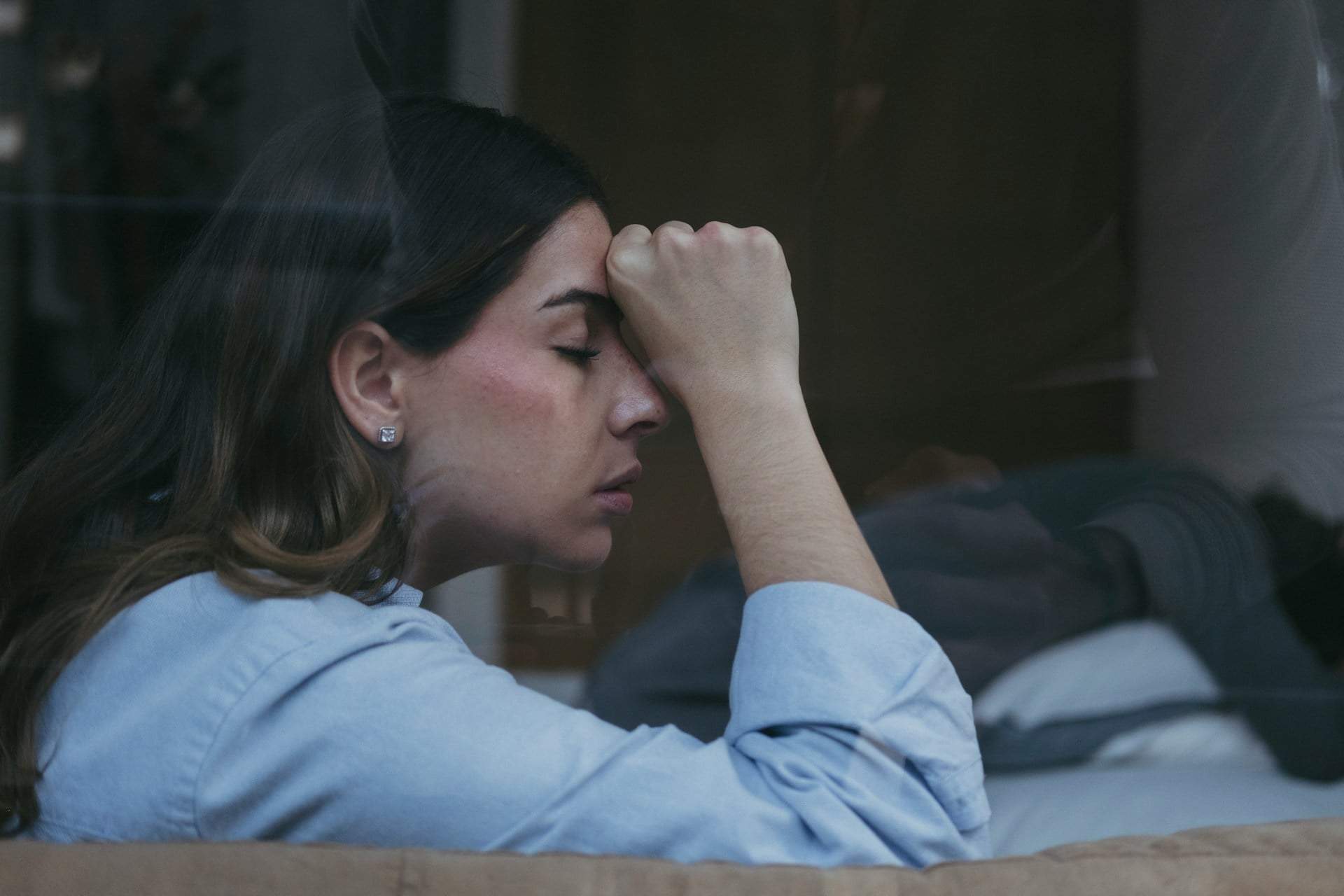
Quietly seething
I went over to a friend's place for her birthday, one of those low-key backyard barbecues. (Past 35, nobody really gets drunk at these things anymore — you just eat well and nurse a glass of rosé.) Her little boys ran circles around us the entire time, screaming, throwing things and generally acting out. It drove me up the wall.
I'm serious when I say that at some point I was drinking just to be able to tolerate them. I waited for the cake, then made a quick exit blaming exhaustion — which wasn't even a lie, because the kids had genuinely worn me out. But the truth was closer to this: if one more little terror shrieked in my ear, I was going to drop him in the garden pond. That's when it hit me. I've turned into a grumpy old woman who can't stand children anymore.
The realization
I always used to say I hated kids. Then I went to therapy, and it turned out that "gentle parenting" triggered me so much because I was hit, humiliated and screamed at when I was little. I was jealous of them. I resented children for getting the trauma-free childhood I never had.
My "rehabilitation" went so well that today I work with neurodivergent children. Sometimes the thing we swear we hate is really grief in disguise.
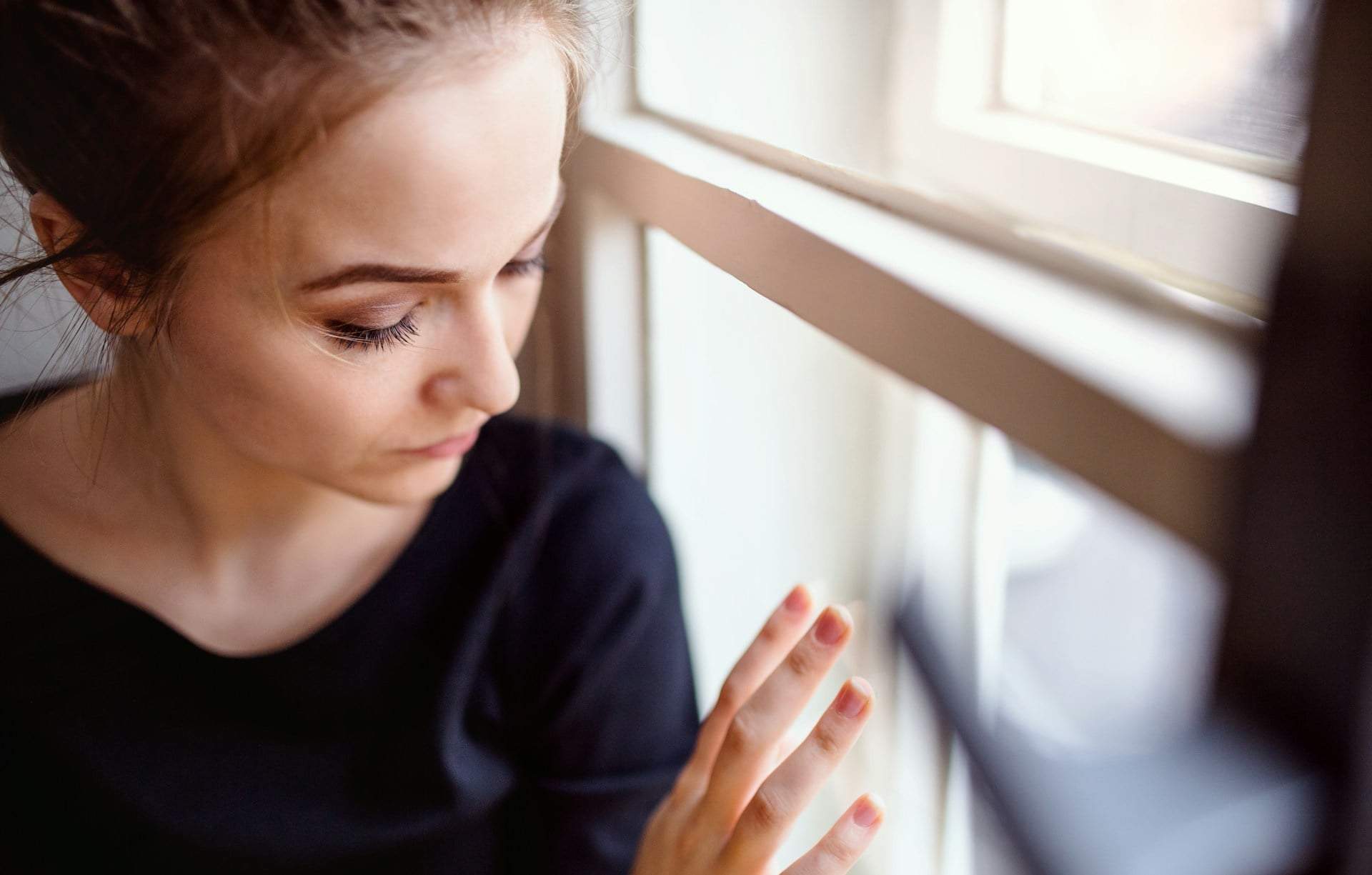
Looking inward
Children have irritated me my whole life — and then I realized I was expecting things from them that plenty of adults, myself included, still struggle with. Things like managing anger, regulating emotions and showing empathy.
Now I can see it clearly: when I'm surrounded by loud kids and I start sulking and huffing about having to put up with them, I'm no better than the tantruming children I'm annoyed by. Worse, actually — because I'm the grown-up here, and I should know better.
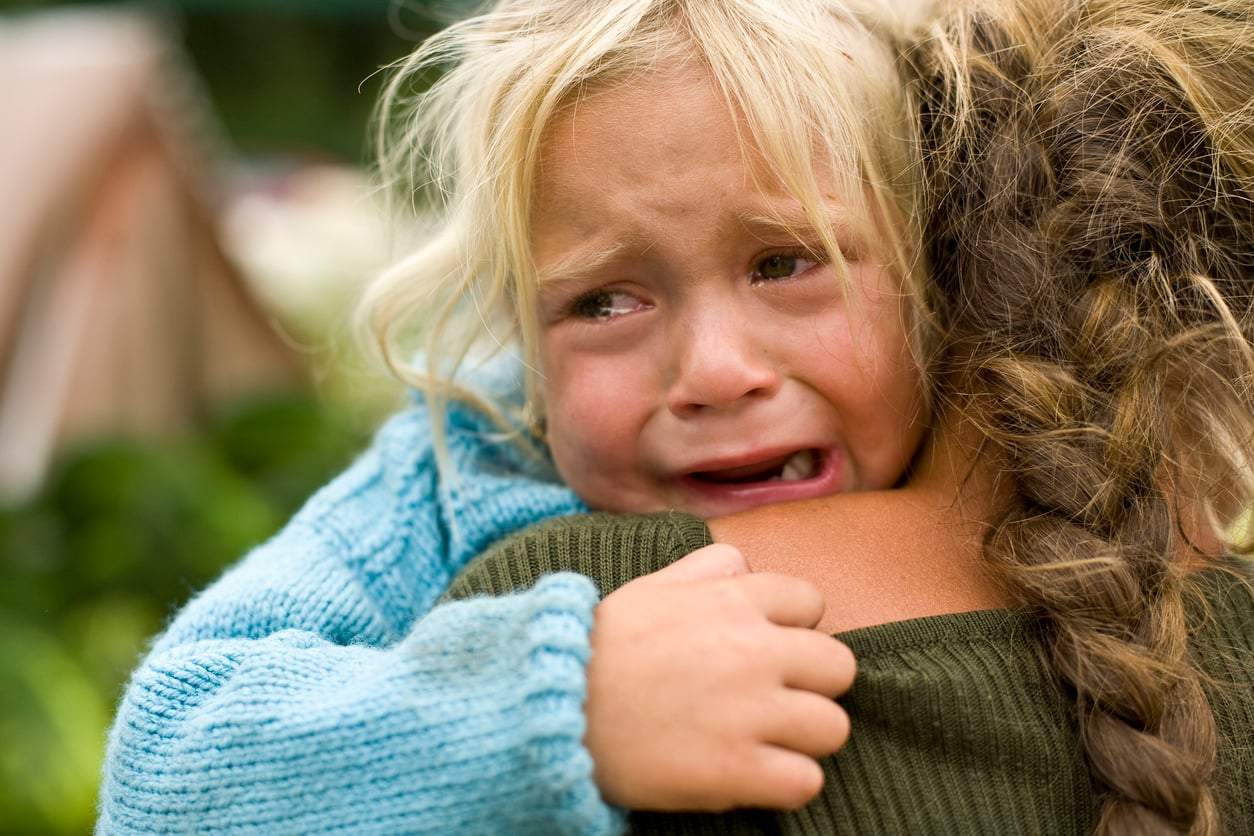
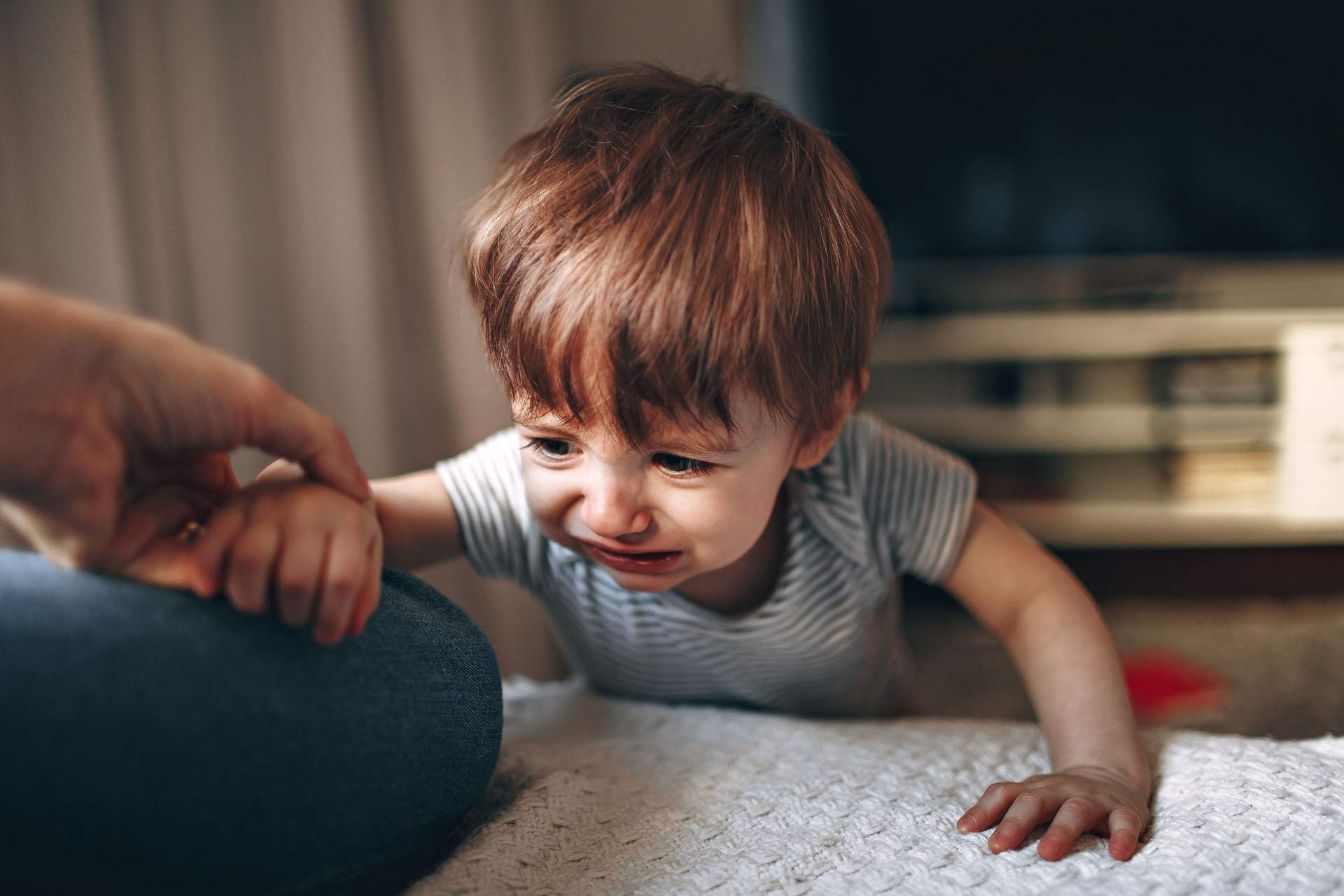
If this kind of honest self-reflection resonates with you, you might also recognize yourself in what's really happening when a child "throws a tantrum."
No comment
I go over to my friend's house and her kids can't even say hello. "Oh, come on, Toby, say hi to Sylvie!" Toby glances up from his iPad, then dives straight back into his game without acknowledging me. My friend doesn't even notice, because she's busy arguing with her daughter, who just stuck her hands into the lunch she's making and dripped it all over the floor tiles.
"Look at the pigsty you've made!"
my friend wails, and while the girl slinks out of the kitchen glued to her phone, she quietly fetches the mop and cleans up the mess herself. I've been there two minutes and I already want to smack both of them. Then, after lunch, I get to sit through a lecture about how motherhood is the meaning of life, and if I never have a child I'll never know what real love feels like. I swallow the reply on the tip of my tongue — God save me from that kind of "love" — and promise myself this is the last time I come over here.
You have a point
I complained about all this to my mother, and she set me straight: there are no bad children, only bored ones. She's also the one who pointed out that what I actually can't stand isn't the kids — it's the parents who don't bother raising them.
Interesting
I thought I loved children, until I noticed something. Whenever I'm browsing hotels for a holiday, I automatically skip any place that advertises itself as "family-friendly." Turns out my subconscious knew before I did.
Around the clock
When I was a kid, we mostly left our parents alone. We played with each other, and honestly we were perfectly content amusing ourselves. These days — or at least this is what I see — every child seems to demand constant entertainment from the adults around them, and the only time they settle down is when you hand them a gadget.
These kids don't play hide-and-seek, don't chase each other around, don't use their imagination for anything physical. They just plant themselves in front of a screen. If the girl next door stops to chat with me for two minutes, her little boy starts screaming, and she has to shove her phone into his hands so he can play something. It's endlessly sad.
The center of everything
I wouldn't say I hate children, but I do think that as a friend, I'm allowed to expect that I can meet up with their mother without the kids attached. She's been my friend since we were young. Every time I went over, the kids never got off me, so we could never manage a real conversation.
I mentioned this gently once, and got told that I don't love her children — and we haven't spoken since. Honestly, the friendship didn't leave much of a hole behind, because for years now, whenever we met up, I'd basically been reduced to unpaid babysitter anyway.
So — do these women actually hate children?
Not always. As their confessions show, what feels like hatred is often something else entirely: old trauma, unrealistic expectations, or frustration aimed at parents rather than the kids themselves.
Are kids today really worse behaved than in the past?
Several women believe so, pointing to constant screen time and a reliance on gadgets to keep children quiet. Others admit the problem may lie more in their own expectations than in the children.
Is it normal to feel drained around other people's children?
Many people feel this way but rarely admit it out loud. These honest accounts suggest you're far from alone in finding certain situations with kids exhausting.
Can disliking children ever change?
Yes. One woman went from saying she hated kids to working with neurodivergent children after therapy helped her understand where the feeling came from. Self-awareness can shift the whole picture.