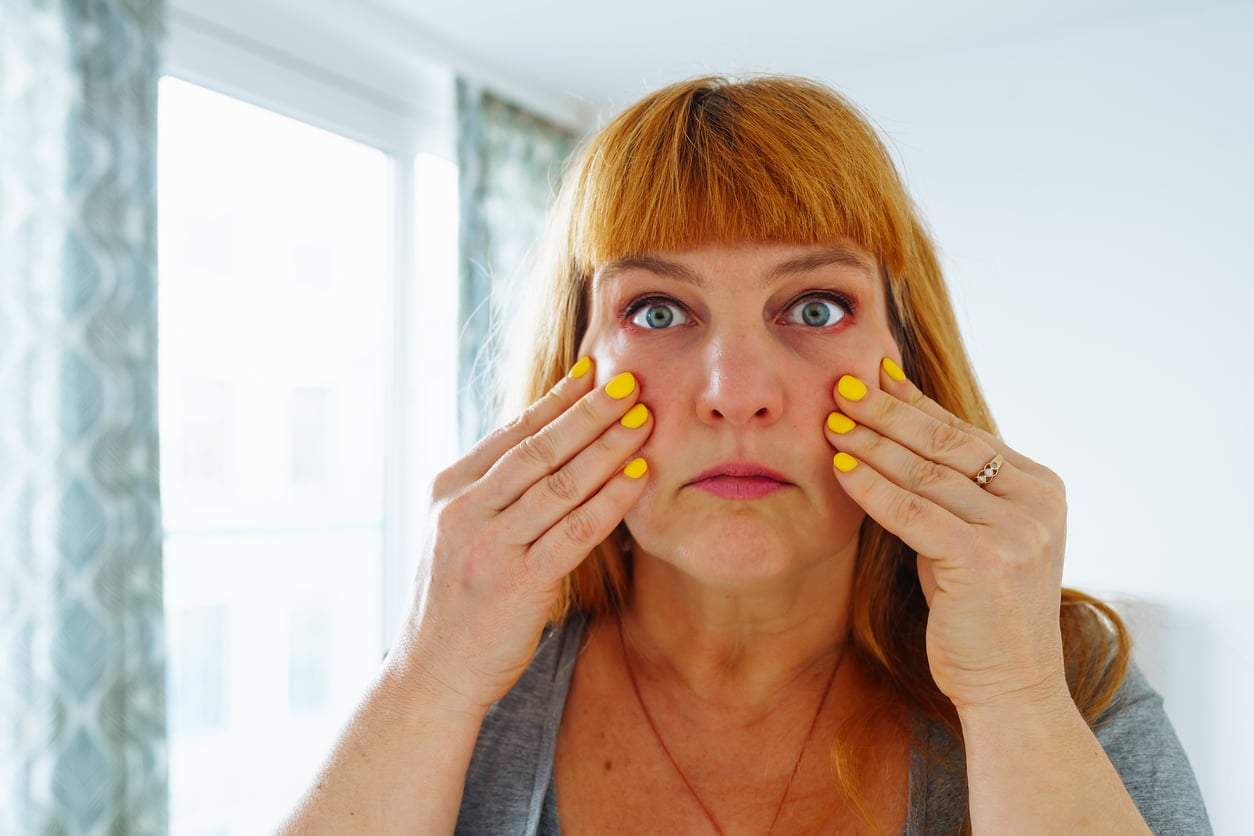
Alongside metabolic changes, the aging liver also plays a key role in lowering alcohol tolerance. The liver is mainly responsible for breaking down alcohol, but its efficiency declines with age—partly due to aging cells and reduced flexibility. This means your body struggles more to process even smaller amounts of alcohol.
Body Composition and Alcohol Sensitivity
It’s not just metabolism that affects alcohol tolerance—changes in body composition matter too. Over time, muscle mass tends to decrease while body fat increases. Since fat cells absorb less alcohol than muscle, this shift raises blood alcohol concentration, making alcohol’s effects stronger.
Plus, as we lose water content with age, alcohol becomes less diluted in the body. This means higher blood alcohol levels and stronger effects even after drinking less.
Impact of Hormonal Changes
Both men and women experience significant hormonal shifts as they age, which also affect alcohol tolerance. For women, this is especially noticeable after menopause, when hormone balance changes can influence liver function and alcohol sensitivity.
In men, declining testosterone levels impact various biological processes, including how alcohol is broken down. Hormonal changes in both sexes can also affect mental and physical sensitivity and mood, amplifying alcohol’s effects.
Lifestyle and Alcohol Tolerance
Your lifestyle plays a huge role in how your body handles alcohol. Healthy eating, regular exercise, and good sleep support liver function and overall health, helping your body process alcohol better.
On the flip side, stress, poor nutrition, and lack of rest can weaken your body’s ability to manage alcohol’s effects. Adopting a balanced, sustainable lifestyle can help your body adapt to aging and maintain better alcohol tolerance.
All these factors together explain why alcohol tolerance changes as we get older. Understanding how age affects your drinking habits empowers you to make mindful choices and reduce health risks.
Keeping your health front and center means thinking about how much and how often you drink, and focusing on healthy habits. Following these tips can help you keep alcohol’s effects in check and enjoy a better quality of life despite the challenges that come with aging.