
1. Cold Weather Makes You Sick
It’s true that viruses spread more easily in winter, but experts say the temperature itself isn’t to blame, according to Well + Good. “It’s bacteria and viruses that make people sick, not the cold weather,” explains Dr. Heather Viola, an internist. She adds that catching a cold requires contact with rhinoviruses (the most common cold culprit) or the flu virus.
Spending more time indoors in winter means closer contact with others, which increases the chance of catching something if they’re sick. Plus, the lower humidity can dry out your nasal passages, making it easier for viruses to enter your body.
2. Going Outside with Wet Hair Will Make You Catch a Cold
You might have heard that stepping outside with wet hair on a cold day ups your risk of infection. Family doctor Dr. Jennifer L. Brull says that’s not quite right. Viruses like the cold spread through body fluids—think sneezing or coughing—not through your hair. So your damp hair isn’t part of the transmission process, she told Well + Good.
3. Dressing Warmly Will Keep You from Getting Sick
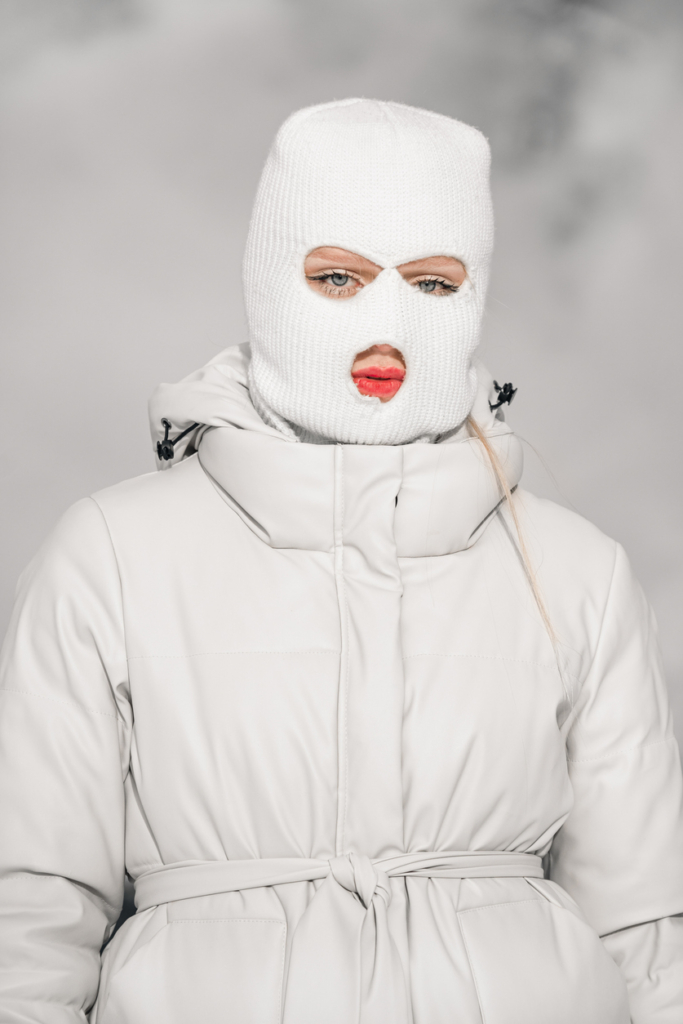
Experts also point out that bundling up alone won’t stop you from catching viruses. “Cold weather—just like going outside with wet hair—doesn’t cause illness,” says Dr. Viola. Still, dressing appropriately for the weather is important.
Dr. Neal Patel adds that warm clothing, like scarves covering your face and mouth, serves a double purpose: it helps retain body heat while also lowering your chances of inhaling airborne infections.
4. Drinking Warm Drinks Won’t Prevent a Cold
Dr. Viola explains that unfortunately, a hot cup of tea or bowl of soup on a cold day doesn’t reduce your risk of viral infection. “Warm drinks don’t stop illnesses. They can help you feel warmer, but they don’t lower your chances of catching a cold,” she says.
5. Exercising Outdoors in the Cold Is Dangerous
Lastly, while it’s important not to let your body get too cold when outside in winter, there’s no reason to avoid outdoor exercise if you’re feeling good. Cold-weather activities like running, nature walks, ice skating, or snowboarding are all great options.
What to Keep in Mind
If you want to stay healthy this winter, the CDC recommends focusing on good hand hygiene, getting enough sleep, and eating a balanced, nutritious diet. It’s also smart to check in with your doctor about vaccines or whether you might benefit from supplements like vitamin D.