
Pets, especially dogs, brighten our days with their companionship and unconditional love. But creating shared life experiences requires committed responsibility from owners, because maintaining this wonderful bond involves both joy and duties.
Dog Poop as a Public Health Risk
Many might prefer to look away from unpleasant facts like dog poop, which isn’t just an eyesore but a serious public health concern.
Dog poop left on streets and public areas can carry bacteria, parasites, and viruses that threaten the health of both people and animals.
One major issue is that dog poop can spread zoonotic diseases—those that jump from animals to humans—like hookworms or the roundworm Toxocara found in dogs. Infection with these parasites can cause serious health problems such as vision loss or damage to internal organs.
How Dog Poop Affects Dogs’ Health
It’s not just humans who suffer—dogs can also be harmed by diseases spread through their own waste. Neglected areas where poop piles up become breeding grounds for pathogens that can reinfect dogs and worsen their health. These germs can survive in soil for a long time, putting other animals at risk too.
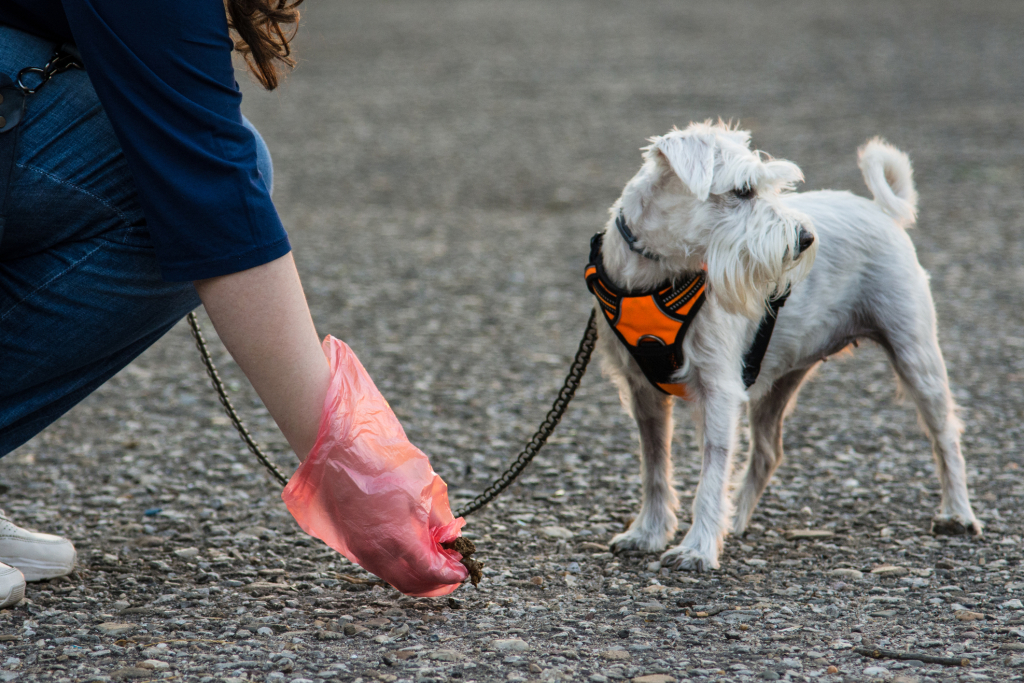
That’s why it’s crucial for owners to responsibly clean up after their dogs to protect both their pet’s health and the community’s well-being. Simple prevention, like properly disposing of dog poop, goes a long way in avoiding public health issues.
Environmental Impact
The ecological effects of dog poop are significant. When left uncollected, it pollutes soil and water. Rain can wash dog waste into surface waters, causing eutrophication—a drop in oxygen levels that threatens lakes and rivers. This can drastically reduce the survival chances of aquatic life.
Nitrogen and phosphorus compounds in dog poop fuel harmful algae blooms that damage aquatic ecosystems and can lead to fish die-offs. Fixing this environmental damage takes time and money, so prevention is key.
Solutions and Prevention
Responsible dog ownership means properly managing the waste your pet produces. Using dog poop bags during walks makes cleanup easy and effective.
Many cities provide dog waste bins in public spaces to support responsible disposal. Education within dog owner communities is also vital to raise awareness about the serious consequences of neglecting dog poop.
Community campaigns and local initiatives play a big role in helping dog owners understand their responsibility and actively contribute to a healthy, clean environment. This teamwork benefits everyone—owners, dogs, and the planet alike.