More and more people are discovering the quiet yet effective solution menstrual cups offer for intimate hygiene. Unlike tampons and pads that need frequent replacement, a menstrual cup is a durable, long-term option for those open to forward-thinking, sustainable alternatives. With this choice, you not only save money but also actively protect the environment—less waste, less pollution.
What Exactly Is a Menstrual Cup?
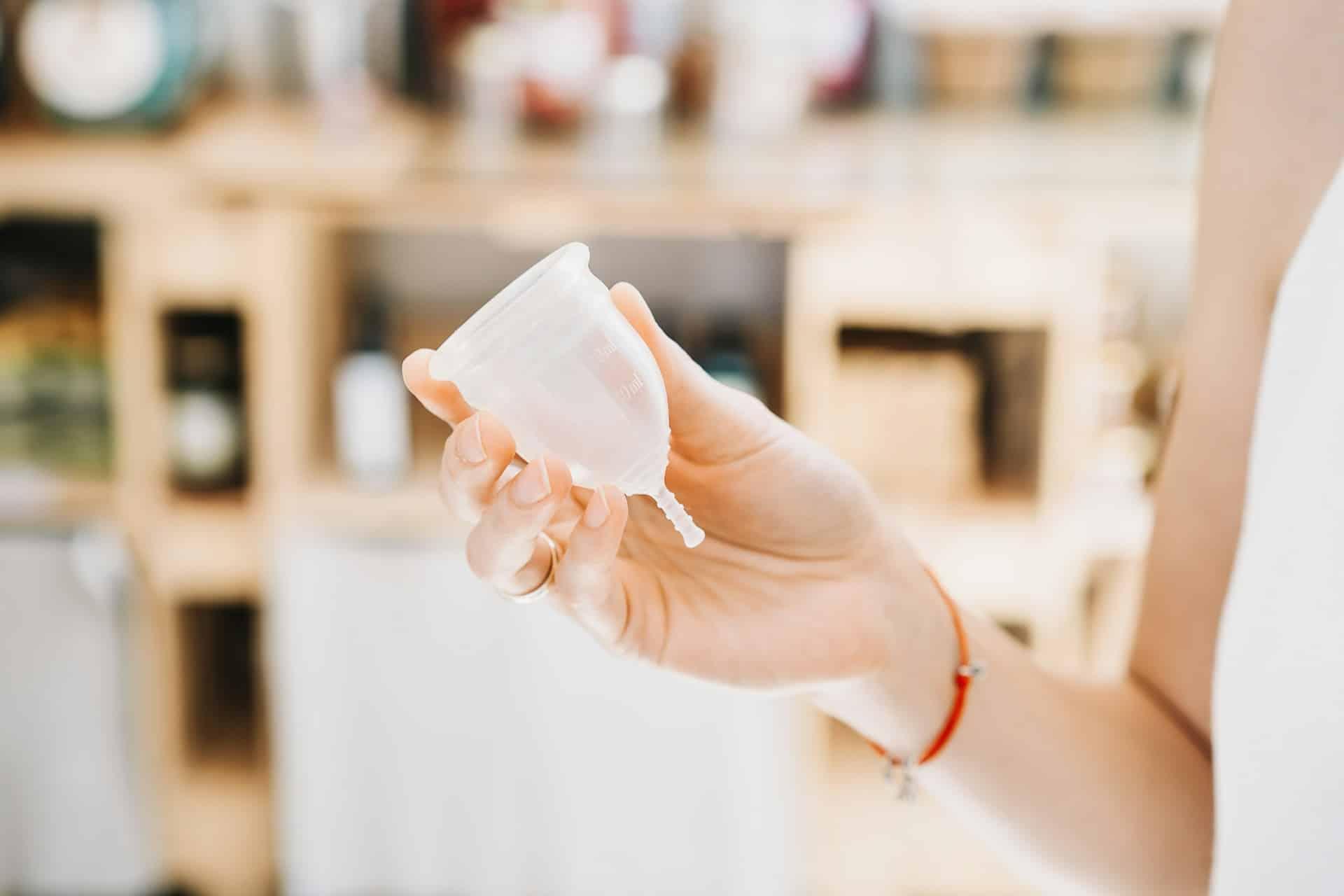
A menstrual cup is a small, medically approved, hypoallergenic silicone “cup” that you insert into the vagina during your period to collect menstrual flow. It effectively gathers blood without irritating the mucous membranes, providing comfortable wear for up to 12 hours. Using it helps prevent dryness of the skin and mucous membranes, a common issue with excessive tampon use.
Why Choose a Menstrual Cup?
One of the standout benefits of a menstrual cup is its long-term cost-effectiveness. While buying tampons and pads every month can add up, a well-chosen cup can last for years. Plus, it’s a win for the planet since it creates far less waste.
Menstrual cups are discreet and almost unnoticeable when worn. Many users find that period discomfort decreases because the cup doesn’t cause irritation and supports your body’s natural processes. It’s also a great choice for sensitive skin, as the material is skin-friendly and non-allergenic.
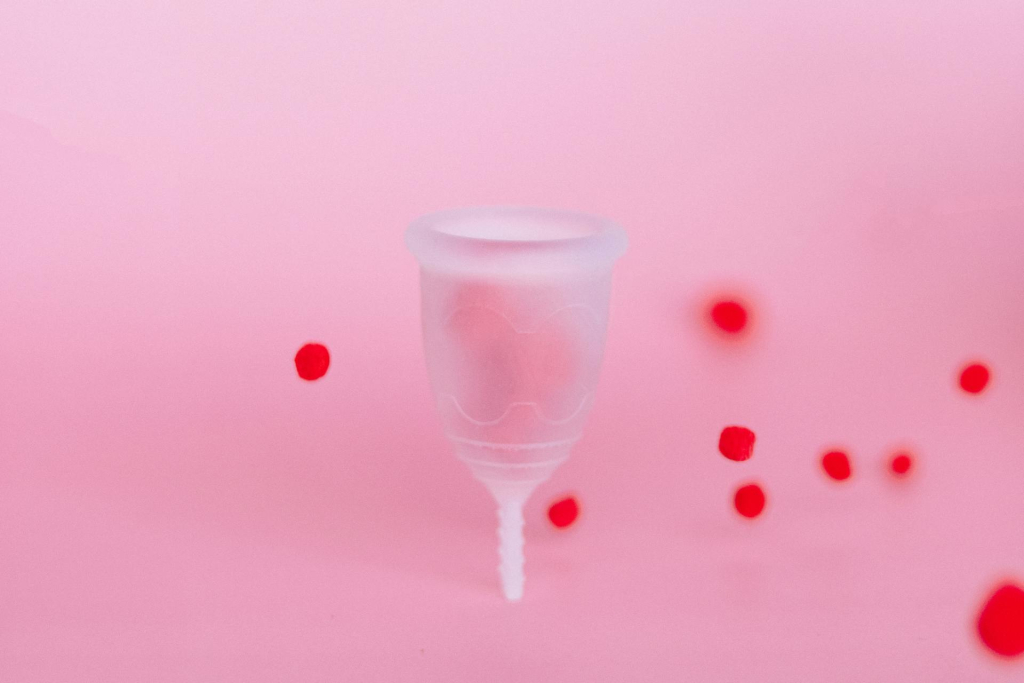
How to Use and Clean Your Menstrual Cup
The first step is choosing the right cup, as they come in different sizes and flexibilities. To insert, fold the cup accordion-style, then place it inside until it sits comfortably in place. You shouldn’t feel it if it’s positioned correctly. To remove, gently press the base to release the suction, then carefully pull it out.
Cleaning is key to staying hygienic. Rinse the cup with warm water after each emptying, and sterilize it between cycles to avoid infections. Steam sterilizers or soaking in hot water work well. Avoid scented cleaners, as they can irritate the vaginal area.
Common Challenges and How to Fix Them
Many beginners find inserting the cup tricky at first. Be patient and try different folding techniques. Relaxing your muscles helps make the process easier.
If you notice any leaks, check the cup’s size and position—sometimes it just needs a slight adjustment.
To avoid discomfort and enjoy maximum comfort, develop good hygiene habits. If it doesn’t feel right immediately, don’t worry—like any new skill, it takes a bit of practice to get it just right.