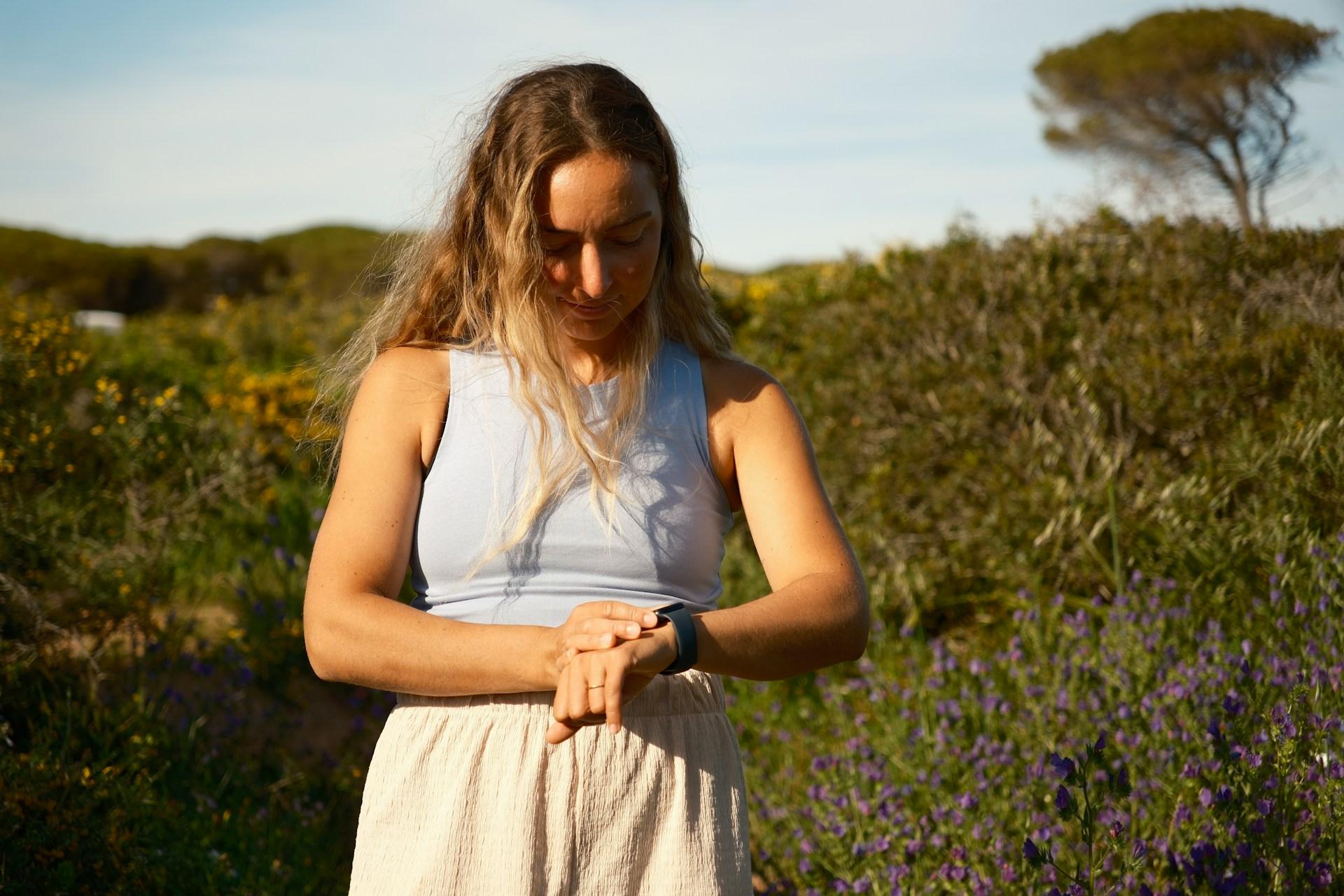
We’ve all heard that walking 10,000 steps a day is key to staying fit, but is that really true? A new large-scale study shows you don’t necessarily need to walk that much to stay healthy and active. Many of us use daily step counts as a fitness benchmark—but how accurate is that?
Where the 10,000 Steps a Day Idea Comes From
The 10,000 steps recommendation started as part of a Japanese marketing campaign in the 1960s to promote the first pedometer. It was more of a catchy slogan than a science-backed guideline. Since then, the idea that 10,000 steps is the minimum for long-term health has spread worldwide.
What Does Science Say?
A recent large study, conducted with Harvard Medical School and Brigham and Women’s Hospital, found that fewer than 10,000 steps can still support good health.
More than 16,000 American women participated, and the data showed that those walking 7,000 to 8,000 steps daily significantly lowered their risk of death.
The study tracked participants over several years, providing reliable insights. Researchers concluded that even less than 10,000 steps can be enough—especially for those who haven’t been physically active for a while. Plus, step intensity matters too, as it influences how many calories you burn.
Fitness Is More Than Just Steps

Fitness is a complex mix of factors. Walking, running, or strength training all help us get healthier. That’s why it’s smart to mix in other activities like cycling, swimming, or yoga alongside your step count.
Keeping healthy also means paying attention to your diet, sleep quality, and stress management. To truly feel fit, balance your lifestyle by nourishing your body, resting well, and recharging your mind.
The Power of Variety
To stay fit, try different types of physical activities. This isn’t just good for prevention but also for fun and social connection. Hiking, dancing, or team sports strengthen your body and your bonds with others. Plus, these activities boost your mental well-being.
A Fresh Perspective on Health
Health experts are shifting away from focusing solely on step counts when encouraging physical activity. A broader approach makes lifestyle changes more sustainable and achievable by considering many aspects of well-being.
And if you stop stressing about hitting exact step numbers, you might find yourself more excited to enjoy active, health-supporting moments—whether it’s a relaxed evening walk or skating with friends.