Winter can be tough not just because of the cold, but also due to skin troubles. We’ve gathered real, research-backed info to help you spot and manage these common winter skin issues with confidence.
The Most Common Winter Skin Problems
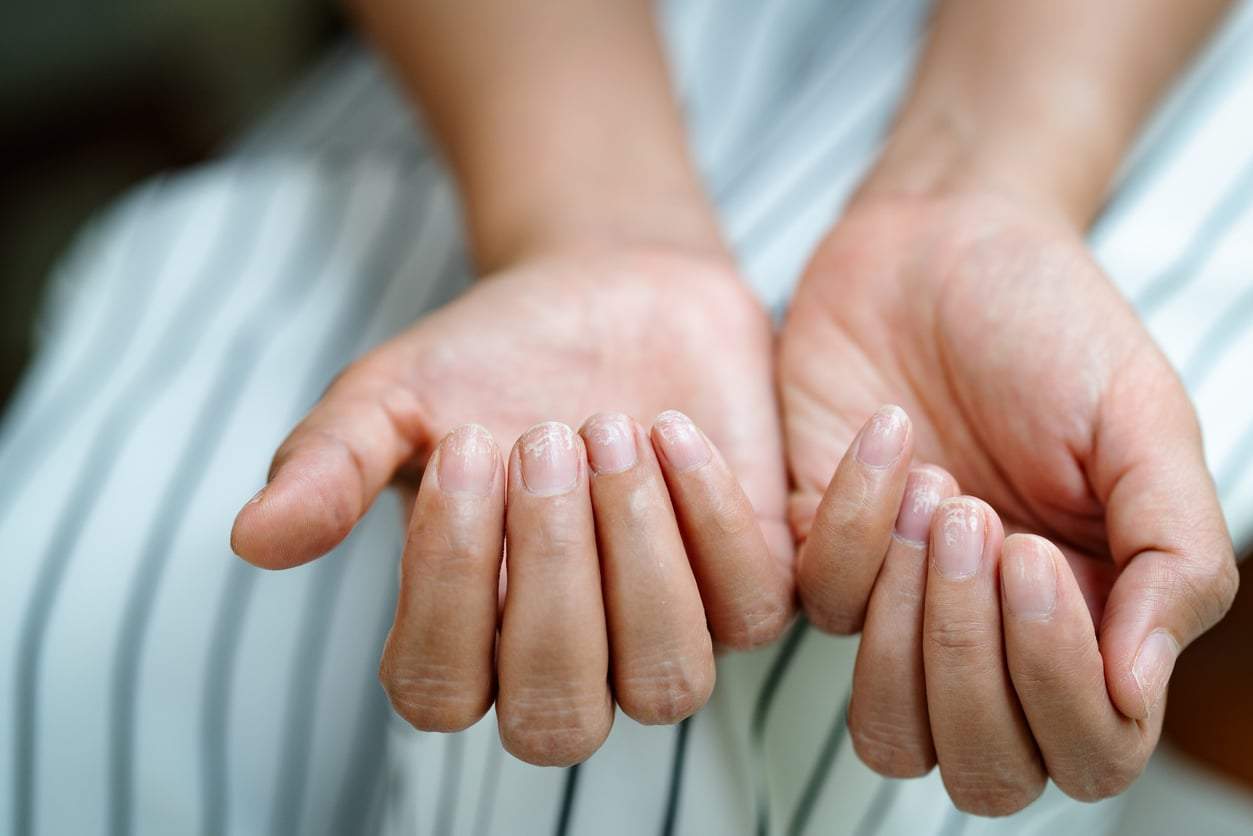
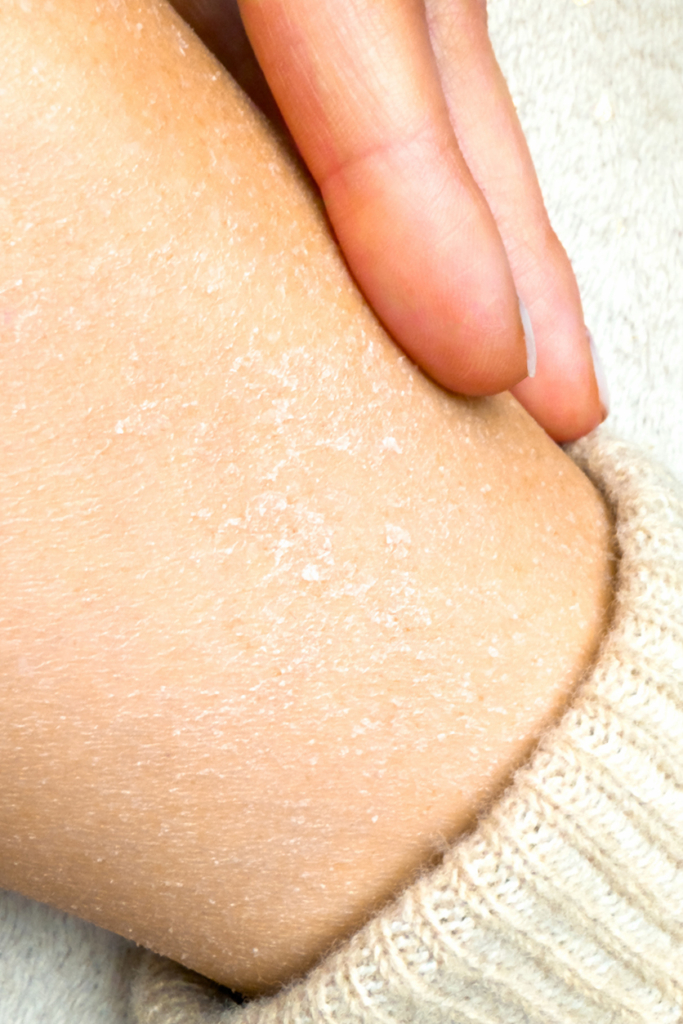
Dry skin tops the list of winter skin challenges. Cold air and indoor heating strip moisture away, leaving your skin tight, cracked, and itchy—classic signs of dryness, according to the American Academy of Dermatology.
What Triggers Eczema in Winter?
Atopic dermatitis, better known as eczema, is a chronic skin condition that often flares up during colder months. Research from the British Association of Dermatologists points to cold, dry air and allergens like dust mites and pollen as common triggers. Watch for redness, itching, and inflammation as telltale signs.

Cracked Skin: More Than Just a Cosmetic Issue
Cracked skin isn’t just unsightly—it can be painful and open the door to serious infections. Tiny cracks let germs reach deeper layers of your skin. A 2017 U.S. study confirms that this raises the risk of skin infections, so timely care is key.
How to Prevent These Issues
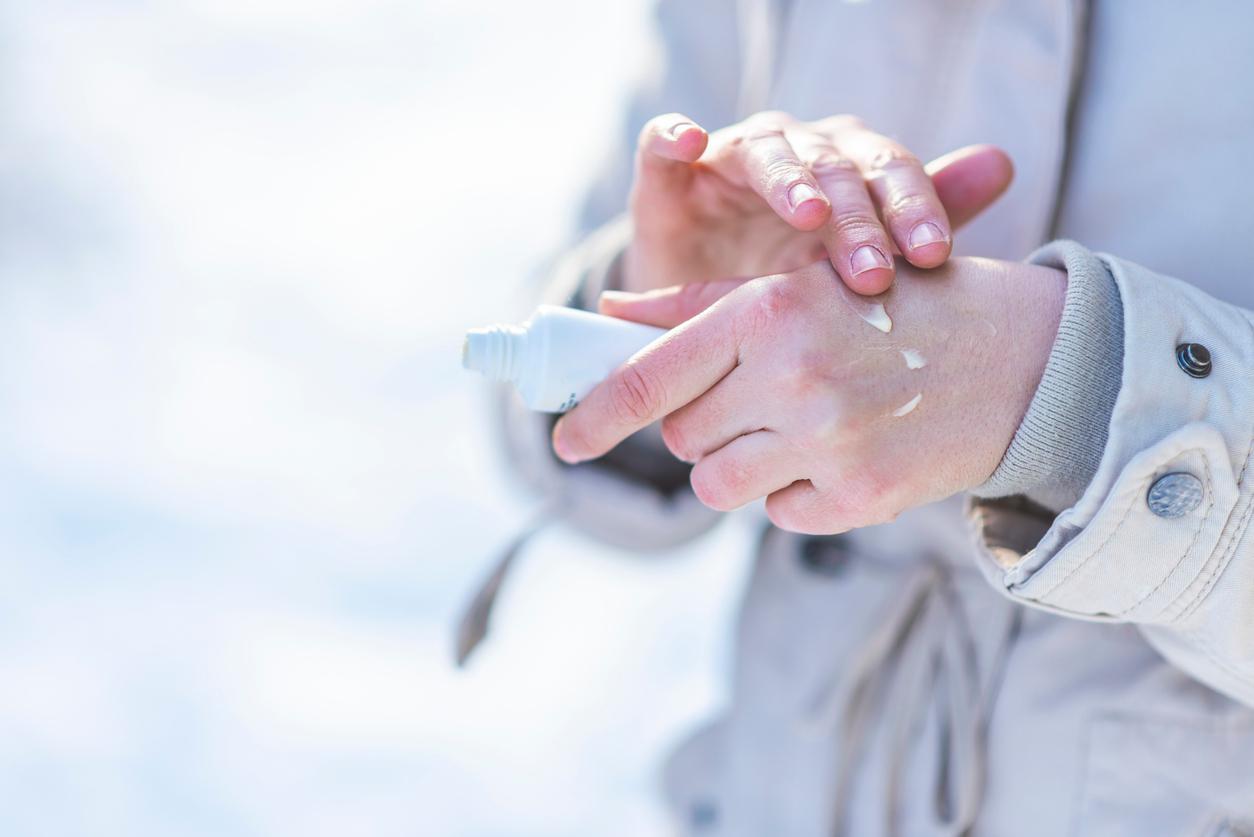
Good skincare is your best defense against winter skin problems. Start by moisturizing regularly with fragrance- and alcohol-free creams, several times a day. Also, avoid very hot showers—they can dry your skin out even more.
Winter Nutrition for Healthy Skin
Eating right plays a big role in keeping your skin healthy. Load up on omega-3 rich foods like fish and nuts to help maintain skin’s elasticity and moisture. A 2020 study highlights vitamin C’s importance in skin repair, so include plenty of citrus fruits and green veggies in your meals.

When to See a Doctor
If your skin issues don’t improve within a few weeks or get worse, it’s always wise to consult a dermatologist. They can offer the right treatments and advice to protect your skin through the cold season.
Winter doesn’t have to mean skin troubles. With the right care, nutrition, and expert help when needed, you can breeze through these challenges.