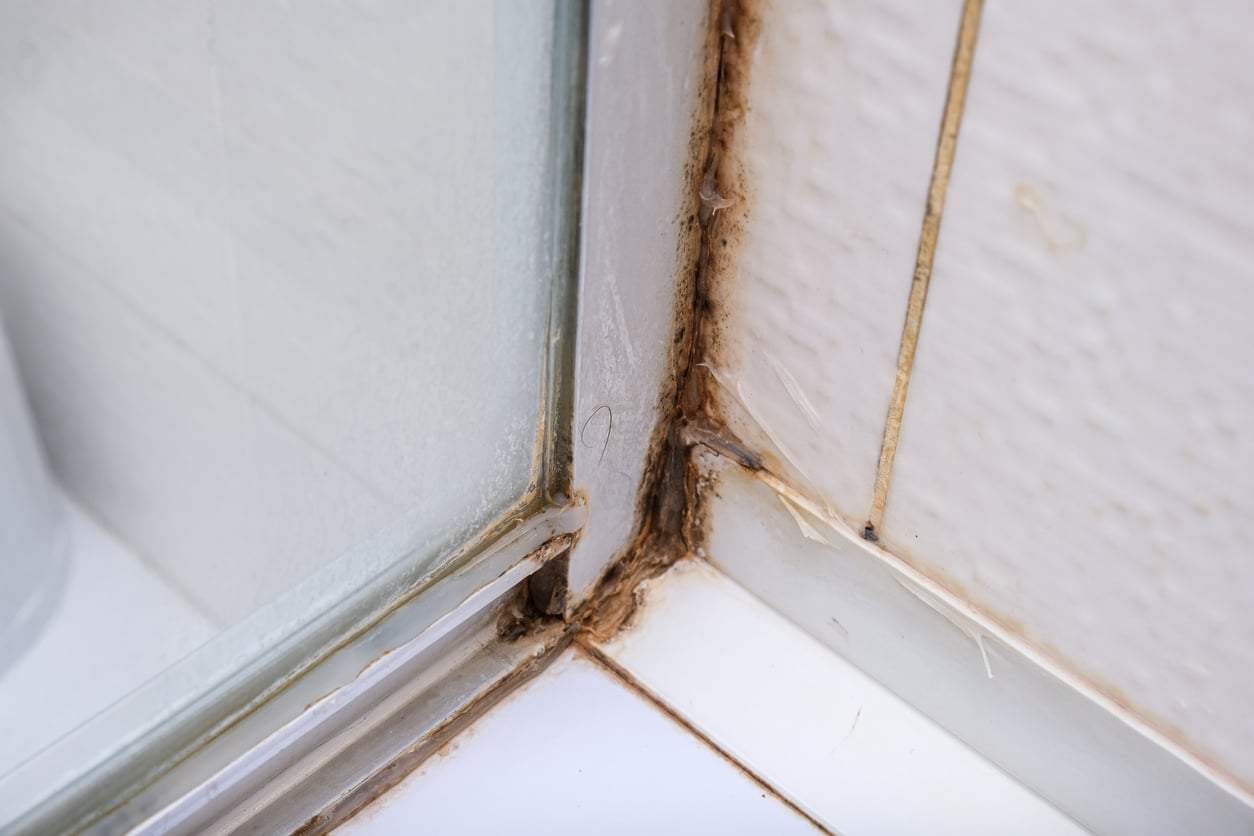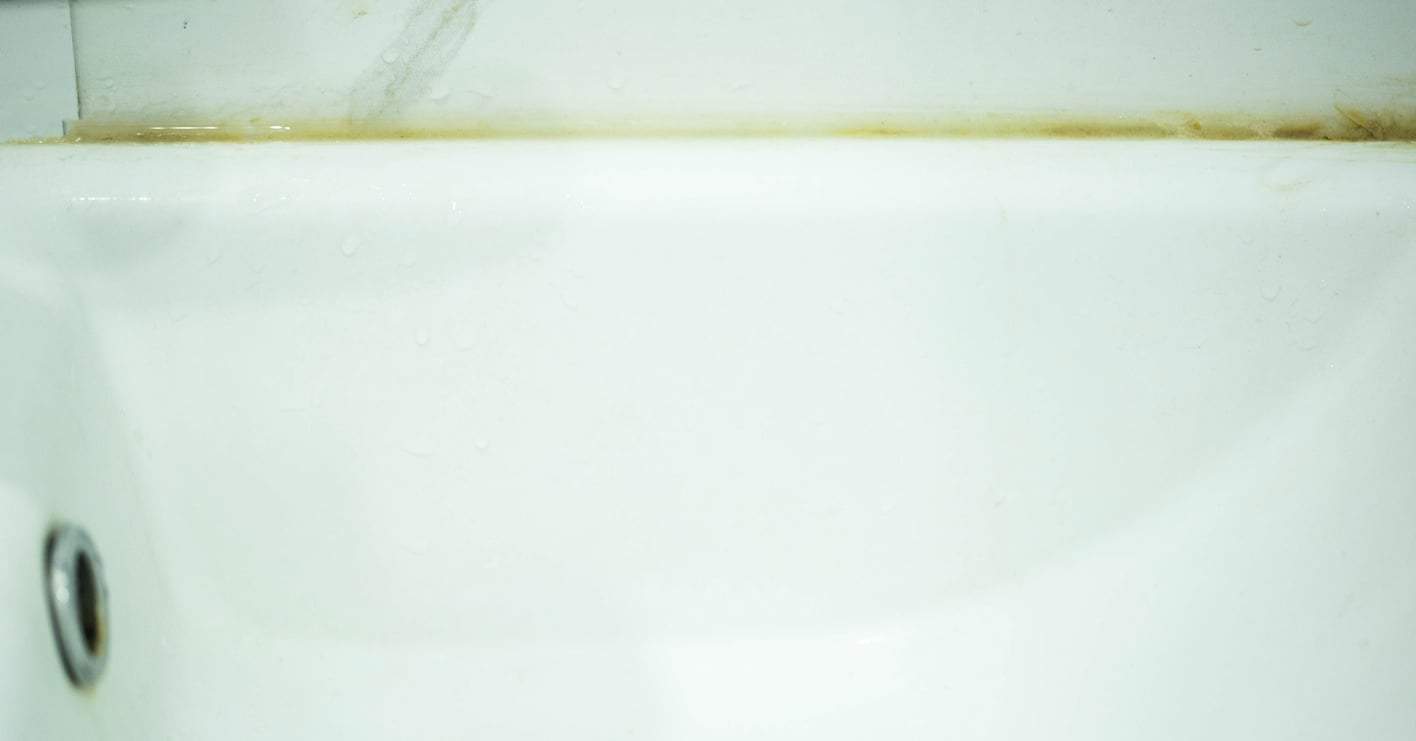
We’ve all been there: the tile still looks okay, but the grout? Well, that’s a different story. Yellowed, grayish, spotted—like it’s holding onto ancient grime that just won’t budge. But what if we told you that with a few simple—and surprisingly effective—methods, you could bring back that bright white shine?
It’s Normal for Grout to Discolor, But You Can Fight Back
Experts at Southern Living recently pointed out that while grout easily discolors, there are ways to make it look fresh again. First, it’s important to understand that grout is porous—basically acting like a sponge that soaks up everything, from grease and soap scum to mold and mineral deposits. “That’s why grout stains much sooner than the tile itself,” explains Forrest Webber, owner of Bear Brothers Cleaning in Alabama.
“Cleaning grout takes some skill, the right products, and yes, a bit of elbow grease.” But don’t worry, there are three fantastic methods recommended by cleaning pros that really work!
Always Start with a Clean Surface
Maria Mooney, brand director of Truly Free Home and expert in chemical-free cleaning, stresses the importance of beginning with a thorough dust and debris removal.
“Always sweep or vacuum the area before you start cleaning the grout. This prevents dust and hair from smearing around and makes the cleaning process more effective.”
She recommends doing this deep clean every two months to keep surfaces looking fresh long-term.
3 Natural Ways to Get Bright White Grout
1. Baking Soda and Hydrogen Peroxide: Your Go-To for Everyday Grime
This dynamic duo is a superstar in natural cleaning. It works wonders on mild stains, soap residue, and everyday dirt.
“A baking soda and hydrogen peroxide paste removes surface stains effectively, is gentle on most surfaces, and doesn’t leave a harsh chemical smell,” says Webber.
How to do it:
- Mix a paste with 2 parts baking soda and 1 part hydrogen peroxide.
- Use a grout brush or an old toothbrush to apply the paste onto the grout lines.
- Let it sit for 10 minutes.
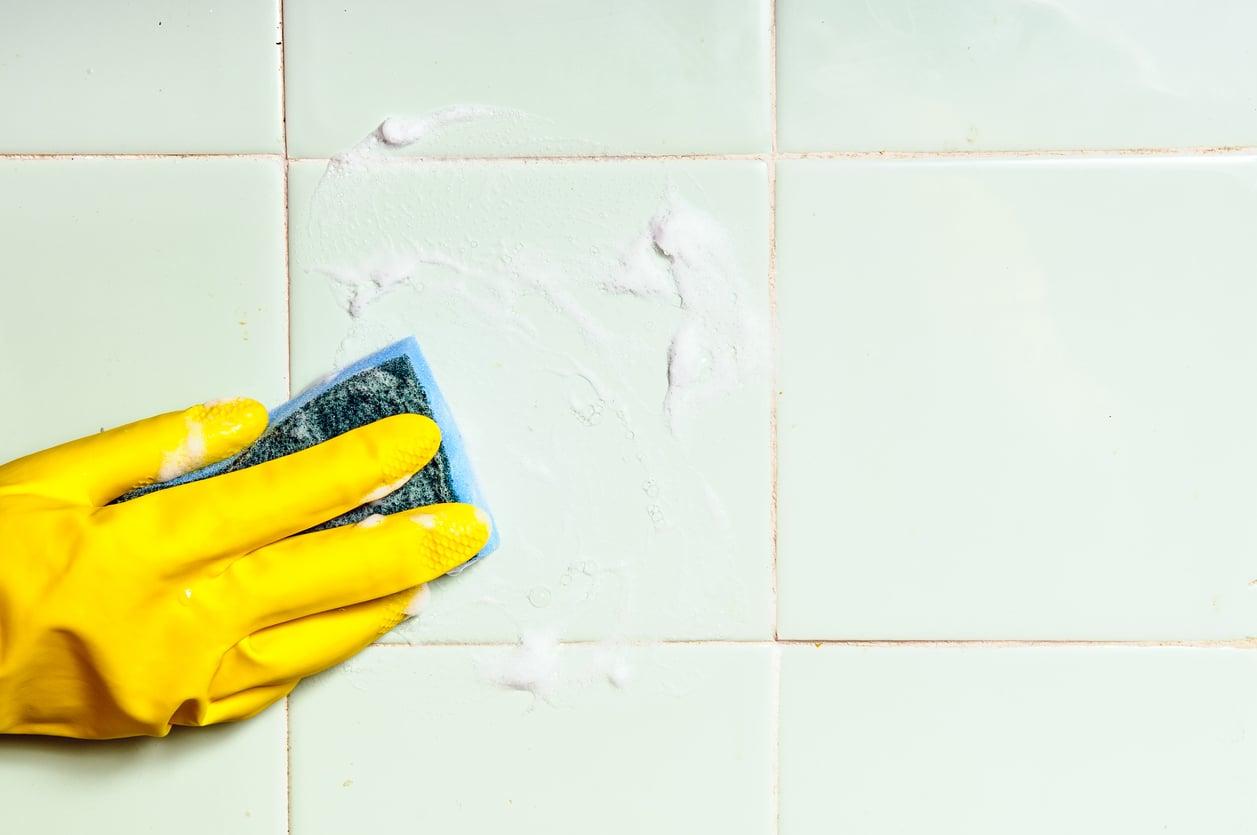
- Scrub in circular motions with a stiff, non-metal bristle brush.
2. Oxygen-Based Bleach: For Mold and Stubborn Stains
If you’re dealing with mold or deeper stains in your bathroom or kitchen, this is one of the strongest natural solutions out there.
“When I face mold or especially tough stains—especially in damp areas—I usually turn to oxygen-based bleach,” explains Webber. “It’s stronger and more effective at removing grime from deeper layers.”
How to do it:
- Ensure the room is well-ventilated.
- For lighter stains: mix 2 tablespoons of oxygen bleach with 2 cups of warm water. For tougher stains, make a paste with a little water to spread on.
- Always test on a small area first!
- Spray or apply the solution onto the grout.
- Let it sit for 15 minutes.
- Scrub with a stiff-bristled brush using circular motions.
3. Bleach-Free Alternative: If You Prefer to Avoid Harsh Chemicals
Mooney’s favorite is a natural, bleach-free cleaner that brightens and disinfects while being completely safe for your home.
How to do it:
- Spray the grout with warm water to loosen dirt and prep the surface.
- Sprinkle 1–2 tablespoons of bleach-free cleaning powder over it.
- Let it sit for 20 minutes.
- Use a grout brush or old toothbrush to scrub back and forth with firm pressure.
Don’t Let Your Hard Work Go to Waste!
Whichever method you choose, don’t forget the follow-up cleaning! Mooney recommends removing any leftover residue:
- For walls: wipe with a damp cloth, then rinse with clean water.
- For floors: a thorough mopping is needed.
And here’s the final, super important step: “Once the grout is completely dry, I always recommend sealing it,” adds Webber.
“Sealing creates a protective layer that keeps stains and moisture out, extending the life of your clean grout and saving you from scrubbing in the future.”
And if you stick to these steps about every two months, you’ll find it much easier to keep your bathroom looking fresh and beautiful.