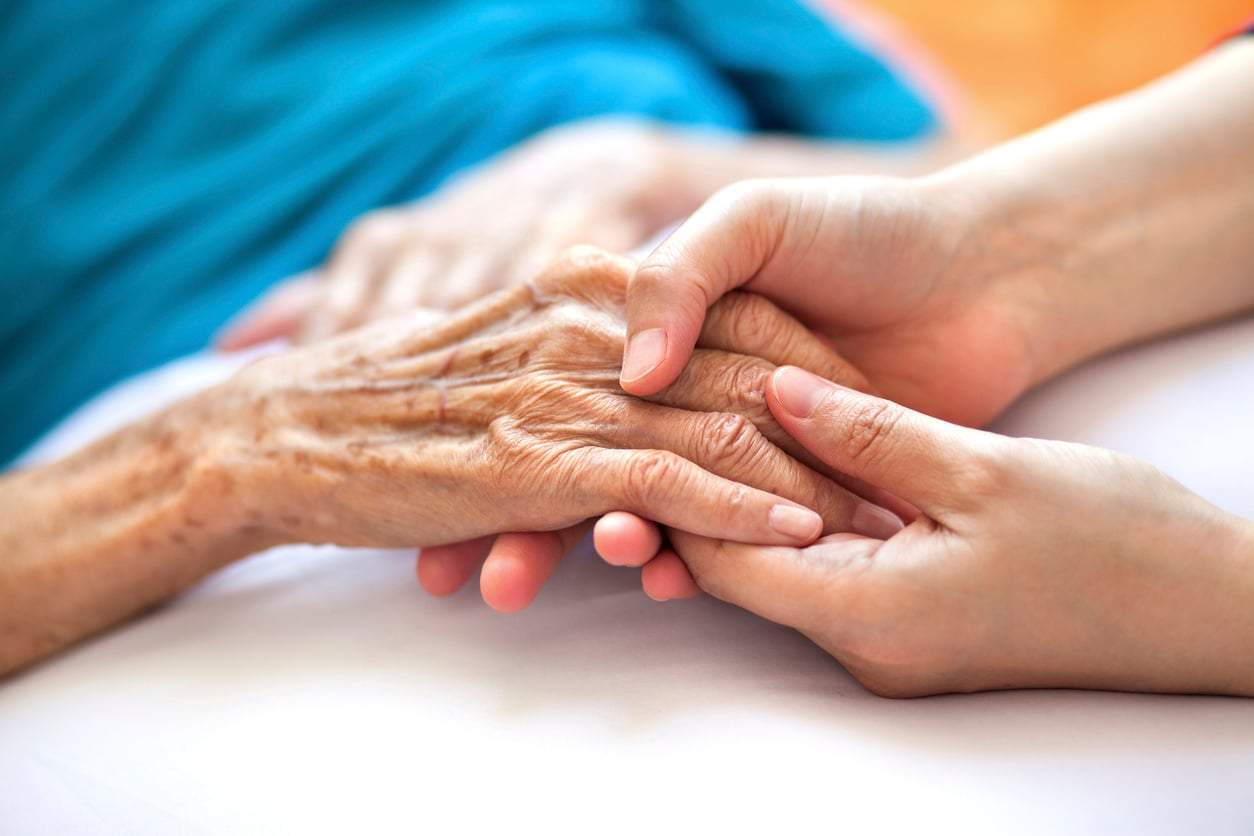
In our daily lives, we often face challenges and influences whose root causes aren’t immediately clear. But when we dig deeper into life’s mysterious connections, we may uncover our ancestors’ stories—stories that impact us more deeply and lastingly than we ever imagined. The idea that past traumas, struggles, and hardships affect us even if we didn’t experience them firsthand is gaining ground in psychology.
What Is Emotional Legacy?
We often hear about our genes in biology class, but there’s less talk about our “emotional genes” that shape our lives just as much. Emotional legacy means that not only physical traits and illnesses can be inherited, but also emotional states and tendencies that influence future generations. Epigenetics explores how gene expression and environmental factors interact to affect mental health.
Emotional legacy often manifests through family traumas, suppressed feelings, and untold stories. These narratives don’t just shape our lives—they influence our relationships, social connections, and even our health, repeatedly bringing up patterns worth exploring.
How Do Generations Pass Down Emotional Burdens?
It’s common for a family member to experience unexplained anxiety or stress without knowing why. Often, these feelings are rooted in family history and passed down through generations. Scientists have identified key ways mental and emotional states travel across generations.
One way is imitation—children unconsciously adopt their parents’ emotional patterns. Another is through epigenetic changes, where environmental factors like trauma alter gene expression via DNA methylation. These changes can shape a person’s vulnerability to mental health challenges.

Research and Evidence
Scientists back the theory of emotional legacy with studies showing how stress and trauma affect generations. For example, descendants of Holocaust survivors show higher rates of emotional disorders than the general population. These studies highlight increased anxiety risks linked to ancestral trauma.
Another study on the American Civil War found that descendants of soldiers were more likely to suffer from PTSD. These findings have not only caught scientific attention but also encouraged people to better understand the roots of their emotional struggles.
How Can This Affect Our Personal Lives?
Recognizing and working through family traumas helps us understand why we repeat certain patterns or face recurring obstacles. Psychologists often recommend embarking on a journey of self-awareness to uncover and break these generational cycles.
By deepening self-knowledge, we better understand our reactions, decisions, and motivations. Processing past burdens gives anyone a chance to live a healthier, more balanced life and break harmful cycles. This work benefits not only ourselves but also our children and grandchildren.
How to Begin the Process?
Mapping emotional legacies isn’t easy, but a good start is exploring family stories. Spend more time in conversations that may reveal hidden truths. Revisiting family memories nurtures emotional bonds and opens new perspectives.
Another helpful step is seeking professional support, where therapy can deepen your understanding of yourself and your family’s emotional heritage. Also, prioritize your mental health by adopting a lifestyle that supports emotional well-being. Developing emotional intelligence helps you handle challenges from past traumas more effectively.