How the Full Moon Affects Sleep
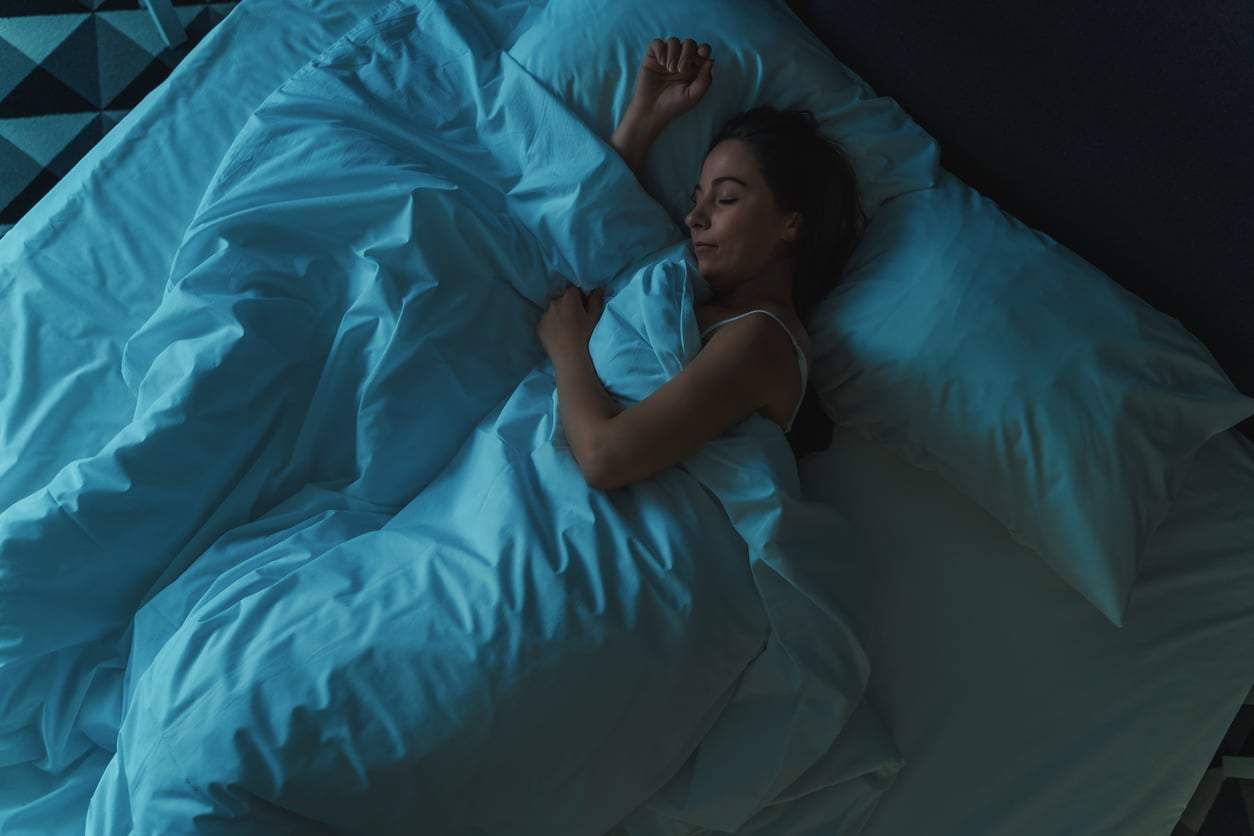
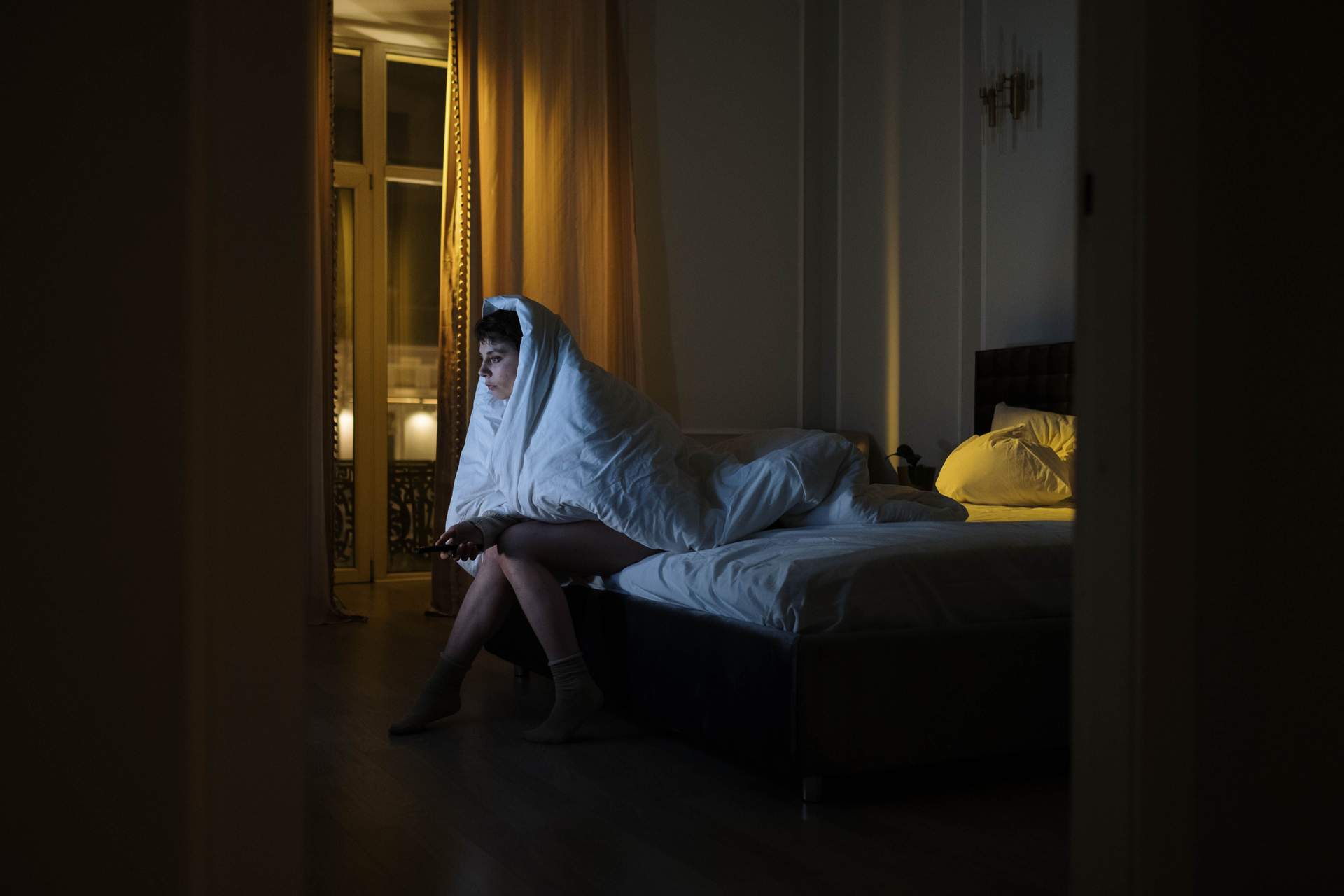
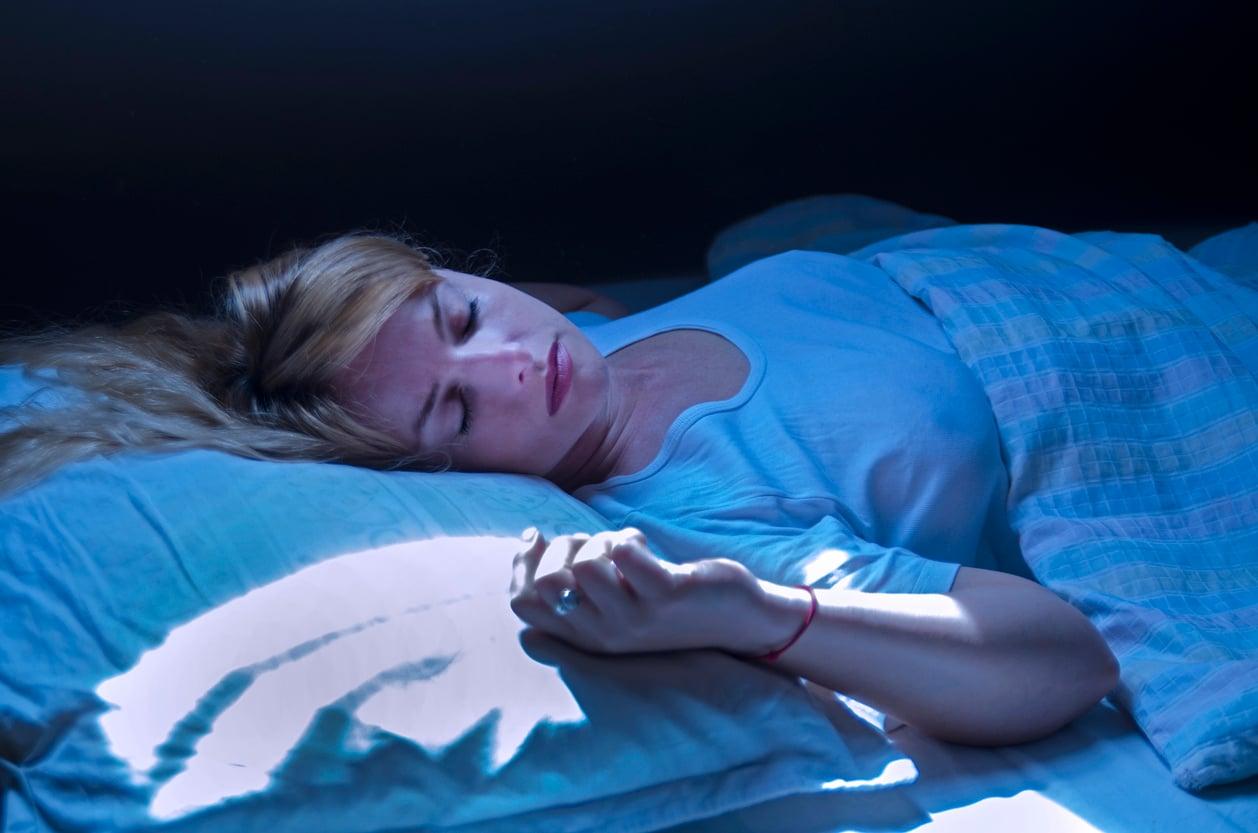
You might have noticed it’s harder to fall asleep or that your sleep quality dips around the full moon. A 2013 study published in Current Biology observed over 30 adults spending several nights in a sleep lab during different moon phases. The results showed that during the full moon, participants slept about 20 minutes less on average and their sleep quality declined.
Scientists aren’t exactly sure why this happens, but they suspect evolutionary reasons might be behind it.
Mood Swings During the Full Moon
Many people notice heightened emotional ups and downs during the full moon. While science hasn’t fully proven a direct link between moon phases and mood, many cultures believe the moon’s energy influences our emotional state.
One possible explanation psychologists explore is that sleep disturbances during the full moon may contribute to mood changes.
Lower sleep quality can lead to emotional overload, often followed by tiredness and irritability. This biological and emotional chain reaction can make people more sensitive and prone to mood swings.
Boosted Energy and Activity
Some people feel a surge of energy and activity during the full moon. A study published in the British journal Psychological Medicine suggests that moon phases can influence our body’s biorhythm, which may explain changes in activity levels. The energy boost observed during the full moon might also come from sleep disruption, making people feel more alert.
This energy increase can be positive, sparking motivation and productivity, but in extreme cases, it might lead to exhaustion and nervous fatigue.
Rising Creativity
Many claim their creative ideas and inspiration grow stronger during the full moon. One explanation is that moon phases, especially the full moon, stimulate the brain’s right hemisphere, home to creativity and intuition. Researchers at the University of Zurich found that this part of the brain is more active then, encouraging fresh ideas and problem-solving.
While this varies from person to person, many artists and creatives report feeling inspired by the moon’s influence on their work.
Increased Diuretic Effect
There’s evidence that the full moon can boost diuretic effects. A study in the American Journal of Clinical and Experimental Urology noted that many people experience an increased urge to urinate during the full moon, especially at night. This may be due to shifts in biological rhythms and hormones affecting kidney function.
Though this varies individually, it’s worth paying attention to—especially if you’re already sensitive to waking up at night.