For a long time, I was the loudest person in the room when the topic of marriage came up — and I was firmly against it. Not out of fear, but out of genuine conviction that love doesn't need a legal stamp to be real.
By the time you're in your thirties or forties, the fairy-tale wedding fantasy tends to fade. What replaces it is something more grounded: shared goals, honest connection, and the quiet proof of showing up every single day. No ceremony required. Or so I thought.
When the paperwork always came last
My partner and I had a full, busy life together. We renovated two homes back to back, traveled whenever we could, and put every spare euro toward something tangible and shared. Marriage was never on the priority list — not because we didn't love each other, but because we simply didn't feel like we needed it.
We had an agreement: if either of us ever felt strongly about making it official, we'd say so. No pressure, no timeline. We were both happy with that arrangement. And if we ever did get married, we agreed it would be just the two of us — somewhere quiet, far from the noise.
Then we became parents, and romantic getaway plans gave way to school schedules and bedtime routines. The idea of getting married drifted further into the "someday" pile.
The proposal I didn't expect to matter so much
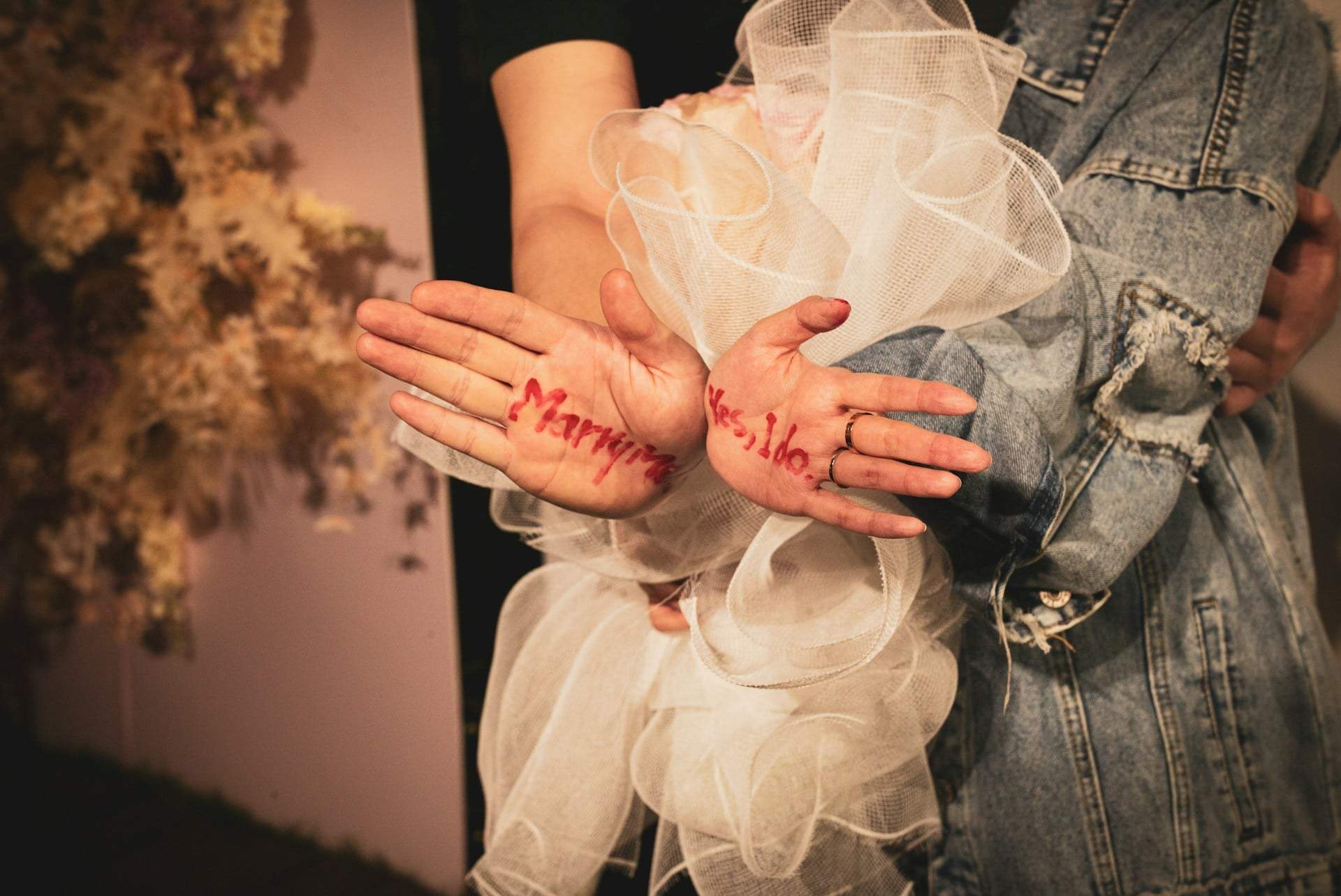
Six years ago, my daughter's father asked me to marry him. I said yes — but not because I suddenly wanted a big wedding. I said yes because of what the question meant. It was his way of saying: I want to tie this even tighter. I choose this, deliberately.
At the time, I treated it more as a beautiful emotional gesture than an urgent to-do. The ring became part of everyday life. The registry office did not.
Life kept moving. The intention was there, but the paperwork stayed in the "we'll get to it" drawer. It took something much harder to finally shake us out of that comfortable delay.
What six weeks in bed taught me about vulnerability
The turning point wasn't a romantic moment. It was an illness that left me bedridden for six weeks — completely dependent, unable to move freely, stripped of the illusion that I was somehow untouchable.
Lying there, I had a lot of time to think. And what hit me hardest wasn't fear — it was clarity. Without legal recognition, the person I love most would have shockingly little say in decisions about our shared life, our home, or our daughter's future if something went seriously wrong. Our emotional bond was unquestionable. But emotionally unquestionable doesn't hold up in a hospital waiting room or a lawyer's office.
The gratitude I felt for his unwavering support during those weeks broke down the last wall I had. I realized that what holds us back from commitment is rarely logic — it's the stories we tell ourselves about what commitment means.
A quiet Tuesday, and finally saying yes for real
What led us to set a date wasn't social pressure or a sudden craving for celebration. It was something simpler and more serious: a sense of responsibility toward each other. The desire to make sure that if life gets hard again — and it will — we are protected. Legally, practically, fully.
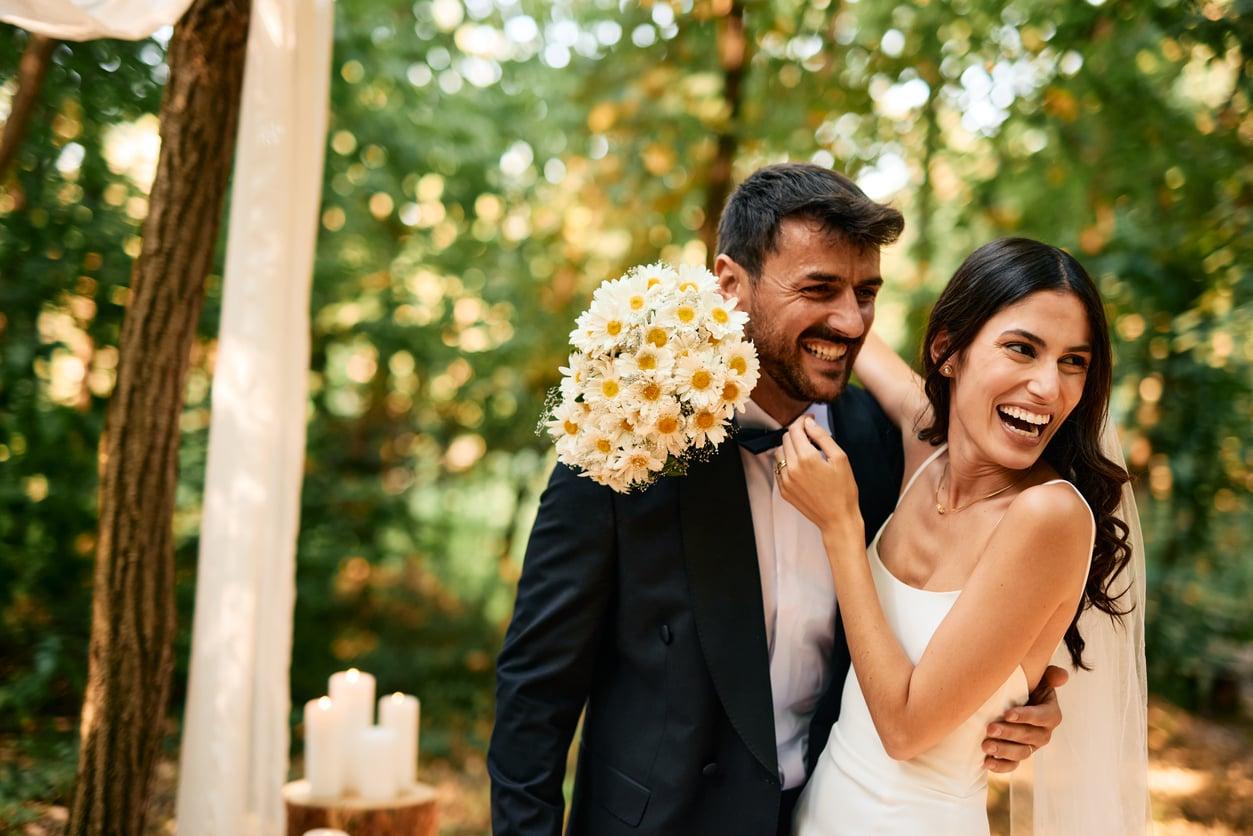
We picked an ordinary Tuesday. No grand venue, no elaborate guest list. Just our witnesses, our daughter, and maybe our closest family. A calm, clear moment to make official what has never really been in doubt.
It turns out "I do" wasn't about the wedding at all. It was about finally saying: I see you, I choose you, and I want the world to know it too.