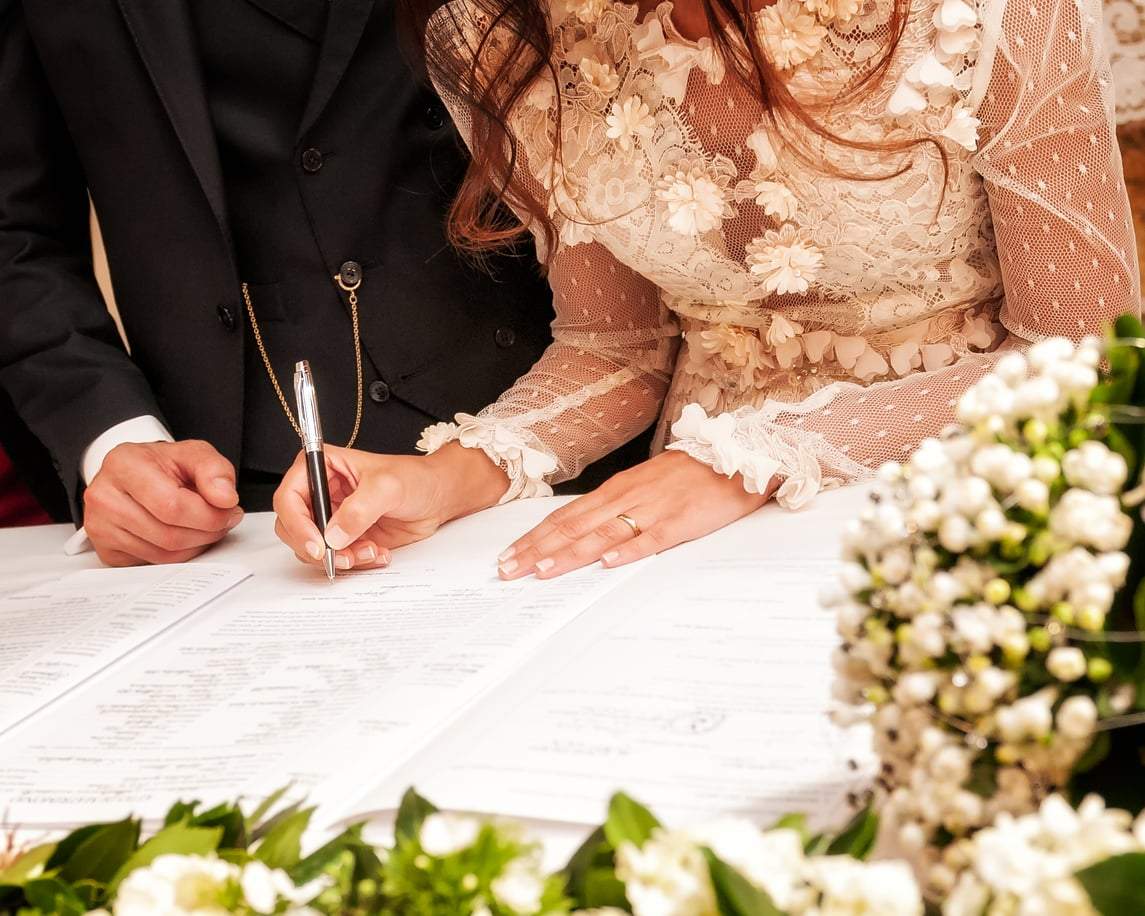
There's a moment that happens for many Gen X women somewhere past forty. You look at your mother's life, then at your own, and you realize just how different the two really are. Not better or worse — just radically, unmistakably different.
The thing nobody talked about
Generation X — those of us born between 1965 and 1980 — grew up in an analog world and came of age just as the digital era made everything we'd learned feel instantly obsolete. We were sandwiched between the Boomers and the Millennials, and that in-between position shaped us in ways that are only becoming obvious now.
My mother belonged to a generation of women who were taught that a good wife keeps the house in order and keeps the peace. And she did — at the cost of her own life, really. Her children's happiness always came before her own. Leaving my father never once crossed her mind. So when I told her I was getting divorced, she clasped her hands together and looked to the ceiling: "Oh God, what's going to happen to my grandchild?"
I told her: she's going to get a calmer, happier mother who will love her just as much as before. Maybe more.
When enough is enough
My mother was secretly glad I left my husband — because she never had that option herself. Or maybe she just didn't have the courage. Either way, I walked away from a man who had mistaken my patience for permission. My generosity became his expectation. My kindness became a one-way street. At some point I stopped pouring energy into something that gave nothing back, and started directing it somewhere it was actually returned.
It wasn't dramatic. It was just clear.
What I watched growing up
My father loved me, and that made him a good dad. As a husband, though, he was exhausting — and my mother paid the price for it every single day. He complained constantly: about his coworkers, the neighbors, the weather, dinner, politics, the car. Now that he's retired, he's taken up drinking out of boredom, which hasn't mellowed him — it's made him worse.
My mother, as she has done her entire life, tiptoes around him. She anticipates his every need and braces for the next outburst. Her hands shake. Her nerves are shot from decades of silence and suppression. She takes medication just to hold herself together.
And yet she considers her marriage a success — because they never divorced and they raised their children.
Sometimes I think about what I would do if my husband spent even one day behaving like my father. Let's just say it wouldn't go well for him.
More options changed everything
I feel genuinely grateful that my generation had opportunities our mothers never did. More of us went to university. We had real careers. We didn't have to depend financially on a husband. And that independence showed up directly in our relationships — because we simply weren't willing to tolerate what our mothers had to endure.
Economic freedom isn't just practical. It's emotional. When you can pay your own rent, you can also say no. And that changes everything about how you show up in a relationship.
Divorce used to be a scarlet letter
When I was a child, I can remember only one divorced woman among all the adults I knew. Her name was Ildi, a colleague of my mother's. Every time she came up in conversation, someone would mention that she was the divorced one — as if it were a diagnosis, something shameful and contagious.
My mother's generation endured almost anything to avoid that label. A good wife forgave everything. A good marriage was a long marriage. That was the entire metric.
My generation started drawing lines — not as sharply as the Millennials would later, but we drew them. And crucially, nobody spat on us for leaving a husband who wasn't worth staying for. I'm more grateful for that than I can easily express. Divorce stopped being a failure and started being a choice — and that shift mattered enormously.
His software never updated
I was 38 when I finally understood something clearly: I wasn't being unreasonable. I had simply stopped being kind to someone who didn't deserve it anymore.
My husband was stuck in the past, running the same operating system as his father and grandfather before him. When I tried to talk about our problems, he tuned it out — typical wife worrying, he figured, she'll calm down. When I told him I wanted a divorce, he was genuinely shocked. It had never occurred to him that it was actually possible.
All I could tell him was: I'm sorry your software never got an update. Welcome to the 21st century.
A good woman forgives everything — or so we were told
Loyalty, patience, tolerance. Those were the markers of a good wife back then. They still matter now, honestly — but our generation dares to throw them out when the situation calls for it.
We grew up watching what our mothers endured beside our fathers. We absorbed it quietly. And somewhere along the way, we made a private decision: not like that. Not us.
We don't want a breadwinner. We want an actual partner — someone who shows up, listens, and grows. The men our age are still sometimes surprised by this. But we stopped being surprised that they're surprised. The cost of staying in an unhappy marriage doesn't disappear with age — it compounds.
Our mothers taught us that, even if they never meant to.