Some men are very good at pretending. They say the right things, make the grand gestures, and check every box you thought you were looking for. But the mask never lasts forever. Eventually, the real man underneath comes out — and by then, you're already in deep.
I know this because it happened to me three times. Three very different men, three very different first impressions. And underneath all of it, the exact same thing: a quiet, stubborn belief that women are worth less.
The devout one
I was impressed that he mentioned his faith on our very first date. It felt refreshing. He wasn't like the muscle-bound, empty-headed guys clogging up the dating apps. And really, what could be wrong with a man who takes his beliefs seriously and wants to "live a life pleasing to God"?
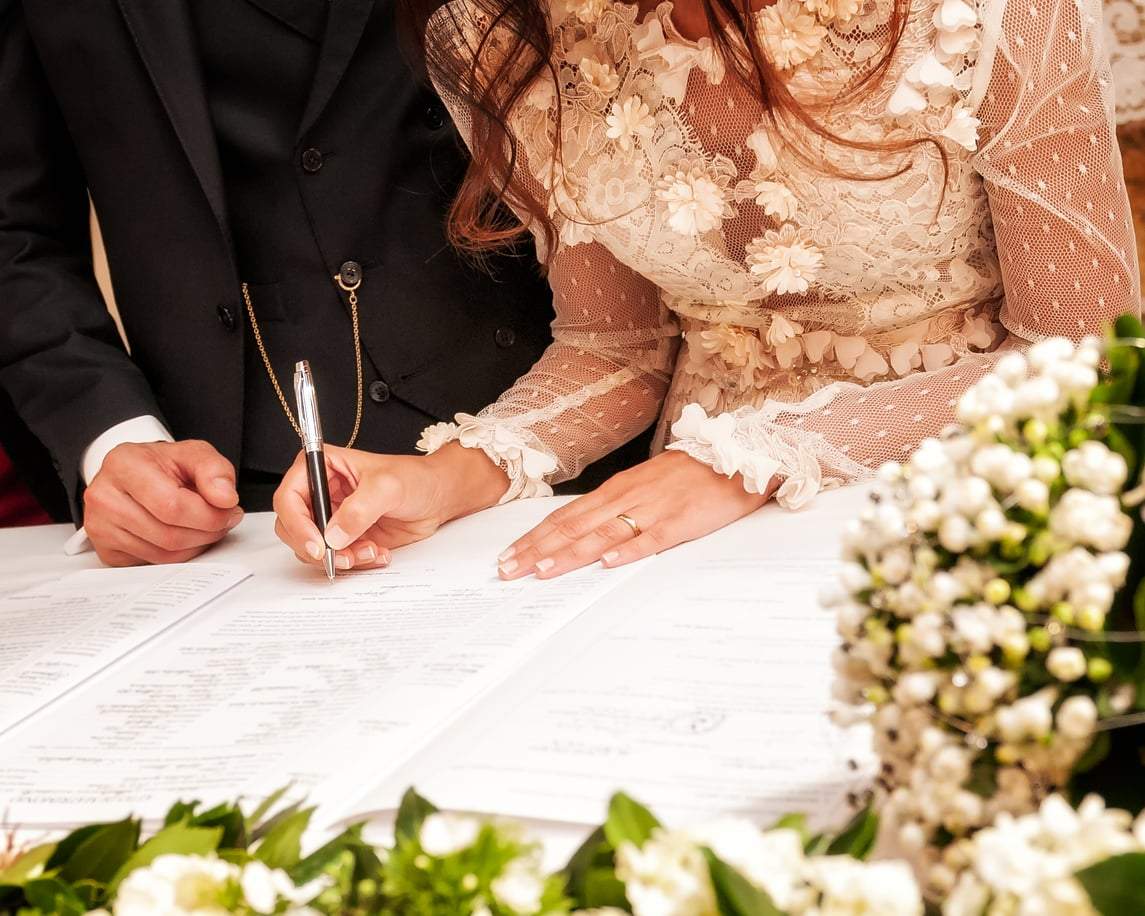
His family welcomed me warmly. I felt lucky. Our church wedding was modest but beautiful, and I was genuinely happy.
Then time passed, and the picture sharpened. It slowly became clear that my husband — and every man in his family — used faith and Scripture as a tool to keep the women around them under total control.
I wasn't allowed my own opinions. I wasn't even allowed in the room when the men were talking. I couldn't wear anything he considered too revealing, and he banned makeup entirely.
He wouldn't hear of me going back to work after having a baby. His excuse was that it's a divine duty for the man to provide for the family — but it was obvious the real goal was to stop me from meeting other people, earning my own money, or having any freedom of my own.
He wanted to enroll our child in religious classes as early as preschool, which I opposed. And during one argument, he threw it in my face plainly: I was just a rib, and as a woman, inferior to him. That was the last straw.
The fake progressive
He had dreadlocks, voted for the green party, despised homophobia, and didn't mind when I painted my toenails blue. At first, he was my open-minded, easygoing love — the one I truly believed was a rare find.
In the beginning, he happily cooked me vegan dinners and watched Disney movies with me. But as the relationship got more serious, the dream image started to crack.
A few months after we moved in together, the pattern was impossible to ignore: I was the only one shopping, cooking, and cleaning, while he came home from work and parked himself in front of the PlayStation until midnight.
That's when it hit me. Behind the progressive front, this man was just as much a performative feminist as the rest — and deep down, he held the same old-fashioned views. He saw women as maids, exactly like everyone else. If you've ever wondered why household duties still fall so unevenly, this is exactly the kind of quiet inequality that hides in plain sight.
The traditional one
After a string of partners with such twisted values, Levente's courtesy felt like a breath of fresh air. He opened doors for me, brought me flowers and chocolates for my mother, and stood up for me when my brother said something rude. He was respectful, his manners were flawless — and I loved that he believed in traditional values.
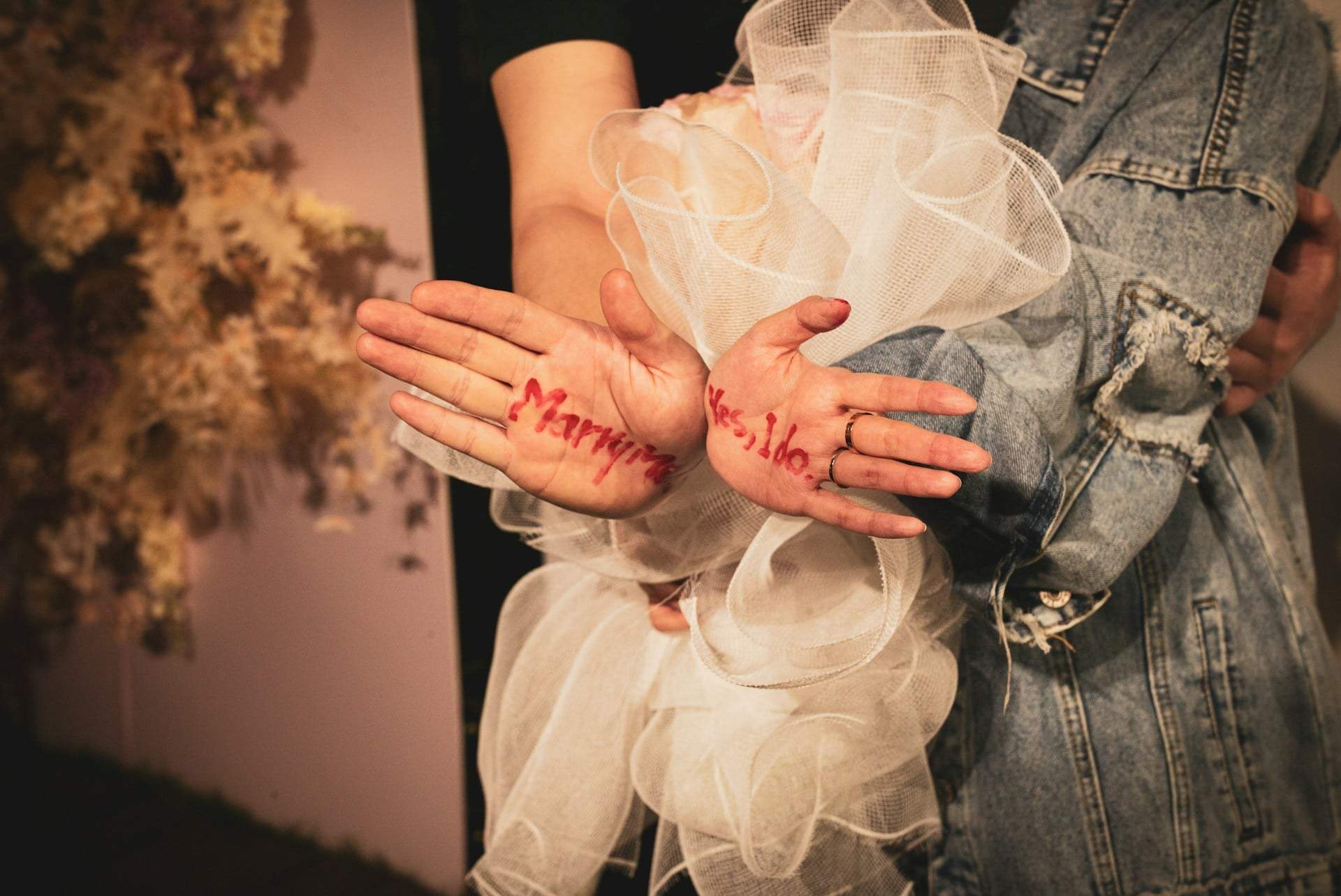
I cried with emotion when, after a few months of dating, he dropped to one knee in the park and told me he wanted to spend his life with me. He asked my father for my hand and thanked my parents for raising such a wonderful woman. He insisted on a big wedding and vowed eternal loyalty to me in front of 150 guests.
I got pregnant with our first child during the honeymoon. The first warning sign came when I could see how disappointed he was that we were having a daughter — because he "wanted a son as the firstborn."
Our second child was a boy, and that made him happy. But by then it was already clear what role my "traditional" husband had in mind for me. The courtesy vanished completely. The gallant gestures stopped. I had essentially become a house servant raising his children.
His children — because the words "our children" never once left his mouth. I became invisible to him. The kids and I were just mandatory props, ticked off a list alongside the big house and the nice car, but never actually cared for.
Whenever I brought it up, he reacted with a mix of astonishment and irritation, as if he genuinely couldn't believe his wife might have her own thoughts, desires, or will.
And when I announced I was filing for divorce, his true colors finally showed: a deeply misogynistic, angry, petty man who wanted revenge at all costs — punishment for a wife who dared to rebel against him.
How can these red flags be so hard to spot early on?
Because all three men led with a likeable mask — faith, open-mindedness, or old-fashioned courtesy. The controlling behavior only surfaced once the relationship became serious and there was more at stake.
Are traditional values themselves a warning sign?
Not necessarily. The problem in these stories wasn't values on the surface, but how they were used — as tools to control, silence, and diminish a partner rather than to respect her.
What was the turning point in each relationship?
In every case it was the moment the man revealed he saw the woman as lesser — through a comment, a shift in behavior, or open resentment once she asserted her own will.
What is the main lesson from these three stories?
That first impressions can be carefully curated. The way a partner treats you over time, especially under pressure or during conflict, reveals far more than the charming gestures at the start.