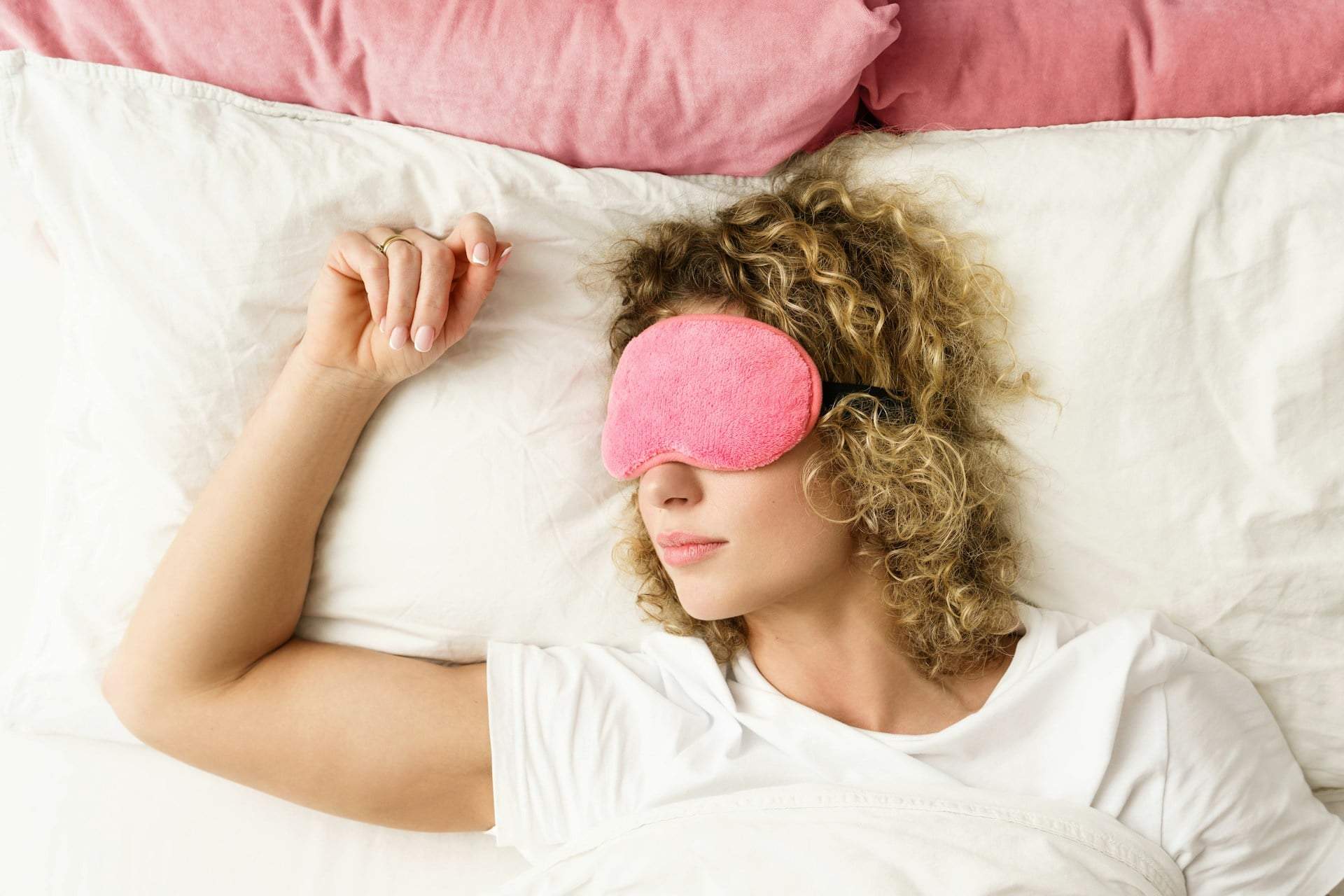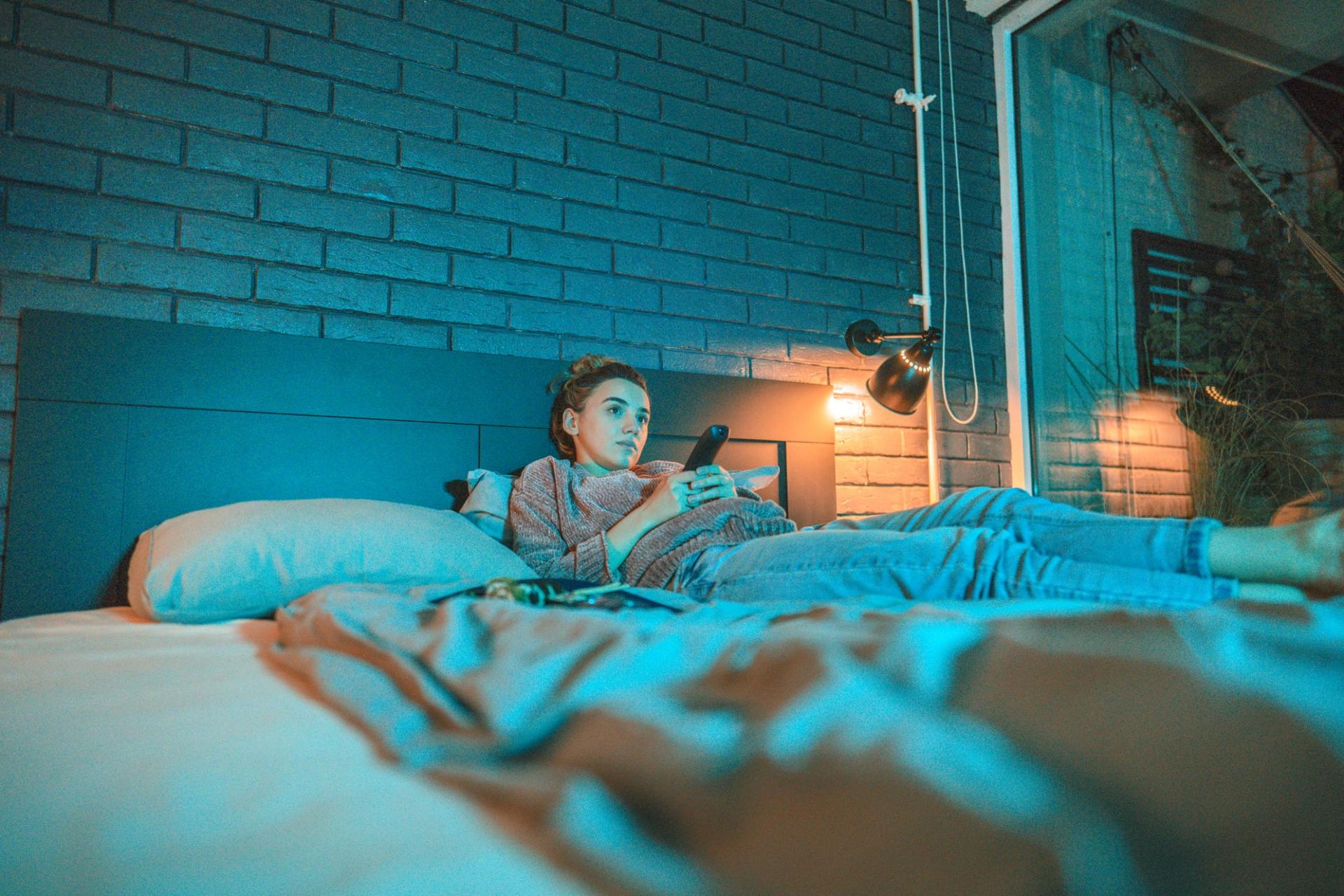
Many of us know the scene: after a long day, you finally hit the bed and try to drift off to dreamland, but it only feels comfortable if the TV is humming quietly in the background. This habit is incredibly widespread, and it’s rare to meet someone who hasn’t had a similar experience. But how much does this really support restful sleep, or does it actually interfere with it?
How Watching TV Affects Deep Sleep
Falling asleep in front of the TV isn’t just a habit for many—it’s a nightly ritual. But here’s something less known: this seemingly harmless activity can seriously impact your sleep quality. Studies show that screens, like your TV, emit blue light that blocks the production of melatonin, the hormone that regulates your sleep cycle. When melatonin is disrupted, it can lead to poor deep sleep.
Deep sleep, also called slow-wave sleep, is essential for your brain and body to recharge. It helps lock in memories, boost your immune system, and stabilize your mood.
When deep sleep is disrupted, expect consequences that affect your whole day—more fatigue, trouble focusing, and mood swings.
How Nighttime Lights Impact Your Sleep Habits
We’ve known for a while that artificial lights—especially blue light—affect sleep, but many still underestimate its impact. The light from your TV breaks the natural rhythm of darkness, causing hormonal shifts in your body. This not only blocks melatonin production but can also disrupt your circadian rhythm over time, making it harder to fall asleep naturally.
Some believe background noise, like a TV show’s sound, helps them fall asleep. In reality, this noise often distracts the brain, preventing it from fully calming down. Constant sounds can keep your mind active, limiting truly restful sleep cycles.
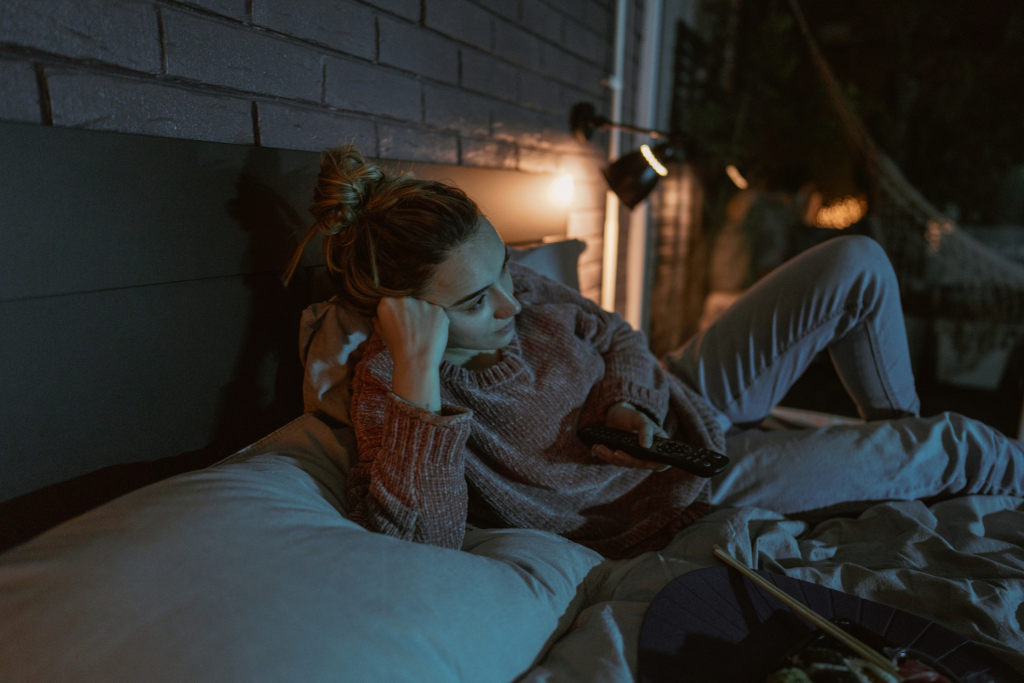
Better Ways to Wind Down Before Bed
If falling asleep with the TV on feels essential to your nightly routine, consider gentler alternatives that won’t disrupt your sleep patterns. There are plenty of ways to relax before bed that support better rest.
Meditation and breathing exercises can quiet your mind and prepare your body for sleep. They lower stress, slow your heart rate, and often lead to deeper rest.
Another favorite is reading before bed—but skip bright digital screens. Instead, pick up a traditional book. Reading helps shift your thoughts and physically tires you out, setting you up for a restful night.
Why Sleep Matters for Your Body and Mind
Getting enough quality sleep is key to staying healthy—both physically and mentally. Sleep helps your body recover so you can wake up refreshed, energized, and ready to take on the day. Your mental sharpness depends just as much on good sleep as your physical health.
Chronic sleep loss can lead to serious health issues like heart disease, high blood pressure, diabetes, and mental health challenges such as depression and anxiety. This shows how important it is to take sleep seriously and create an environment that truly supports it.
How to Create the Perfect Sleep Environment
Instead of falling asleep in front of the TV, focus on building a sleep space that promotes real rest. Start by making your bedroom completely dark and minimizing outside noise and distractions. The right temperature and cozy bedding are must-haves too.
Today’s technology offers great tools to boost sleep quality, like noise-canceling earplugs to block outside sounds or special light therapy lamps that help reset your body’s internal clock.
In short, the negative effects of falling asleep with the TV on can be avoided by consciously adjusting your evening habits and creating a space that truly supports restful sleep.