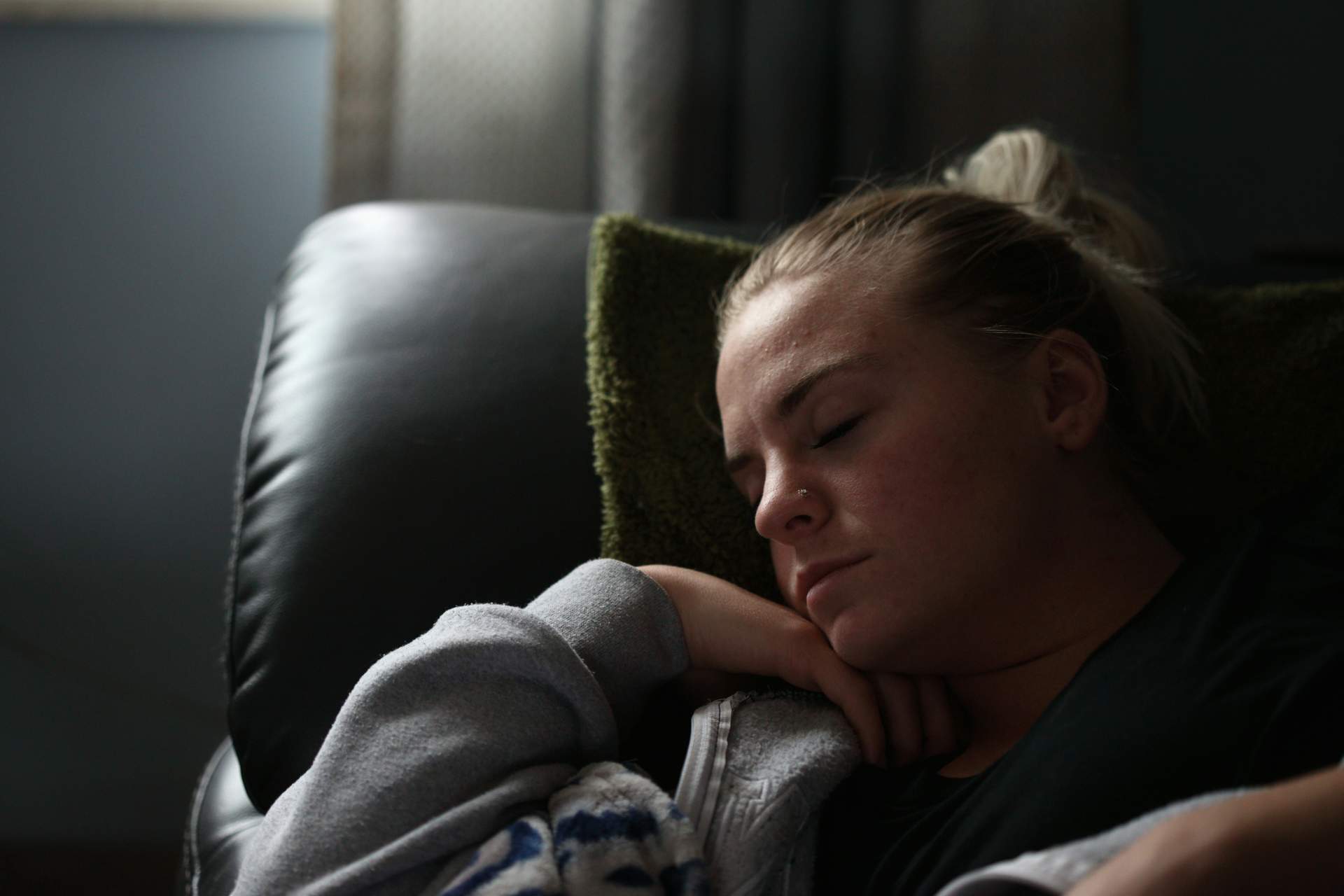
You probably know that feeling when you just can’t give any more emotionally, and it feels like you’ve drained every last bit of your emotional reserves.
“Sorry, I can’t meet today, I’m really busy.”
This phrase is often a gentle way to say no when you’re actually emotionally drained. It’s not always about being physically busy; sometimes managing your feelings is the real challenge. When you truly need some alone time and rest, you might hide those feelings behind the “really busy” line.
“It’s not important, I’ll handle it on my own.”
Another common phrase hiding emotional burnout is when you insist on solving everything alone. This isn’t about being truly independent—it’s often about not wanting to burden others with your problems, even though inside you need support.
“Everything’s fine, I’m just tired.”
If you’ve been asked this and your answer came automatically, you might be minimizing your struggles to avoid holding others back. While you explain it as tiredness, deep down you feel emotionally drained and overwhelmed by daily challenges.

“I don’t feel like talking about this right now.”
When you use this phrase to avoid an important conversation, it’s often not indifference but a sign that you lack the emotional energy to face it. If you find yourself dodging these moments often, it’s worth thinking about how to recharge your emotional reserves.
“We’ll come back to this later, I don’t have time now.”
This phrase often serves as an escape when you feel unable to engage emotionally with a topic. Though it sounds harmless, it reflects your effort to avoid emotionally draining situations. Hearing this often is a sign to pay attention to your emotional boundaries.
Recognizing and acknowledging these phrases is important because there’s often a deeper emotional reason behind them. Spotting and managing emotional burnout is key to finding your balance again.