
Because pain doesn’t ease by blaming others—it softens when we truly see the whole story. And in that clarity comes the day you can look at your own parents differently. That day arrives when you recognize the lost child inside them. The child who was often even more vulnerable than you, who never learned how to feel emotionally safe, to connect, to love.
The Generation Raised to Survive
Back in the ’80s and ’90s, when we were kids, adults raised us by very different rules—or sometimes didn’t raise us at all. The “good kid” was quiet, independent, and didn’t test their parents’ nerves. Crying was drama, feelings were weakness, and questions were disrespect. Expressing yourself felt risky because it could shake a parent’s authority.
Our parents grew up after wars and revolutions. What patterns did they bring with them? They often didn’t heal—they just survived and adapted. That doesn’t make their actions okay. You don’t have to love them or invite them back into your life.
Some things simply have no excuse, and you never have to forgive them—more therapists are openly saying this now.
But when you start to see the unhealed trauma, the unspoken pain, the inherited burdens inside them, your anger might loosen its grip. And that shift is all about you—your journey.

When Others Speak for Them
For me, family constellation therapy brought a deep realization. If you haven’t tried it, it might seem strange at first: strangers step into a space and represent your family members. It doesn’t sound exciting, but the experience is powerful and eye-opening. Someone you’ve never met acts, gestures, and sighs just like your dad. They say what he might never have been able to say.
Then the veil lifts: you no longer see things only from your perspective but from their childhood—and even from the time when you joined the family.
During these sessions, you don’t revisit your story from your own viewpoint but theirs. The man representing your father’s inner child might whisper, “I’m scared that if I speak up, trouble will follow”—and suddenly, every silence, withdrawal, and avoidance you once saw as cowardice makes sense. You realize much of your parents’ behavior wasn’t about you but about their own wounds.
Seeing Fear Behind the Anger
When your mom yelled, she wasn’t really angry at you but at her own inner child who might have once stood trembling before a closed door. When your dad withdrew, it wasn’t indifference—it was his only way to survive. He couldn’t stand up for himself because that would have brought more trouble back then. Avoiding conflict might have been his only option. This doesn’t excuse them, but it helps you stop carrying the whole story inside you.
And Most Importantly: Don’t Repeat It
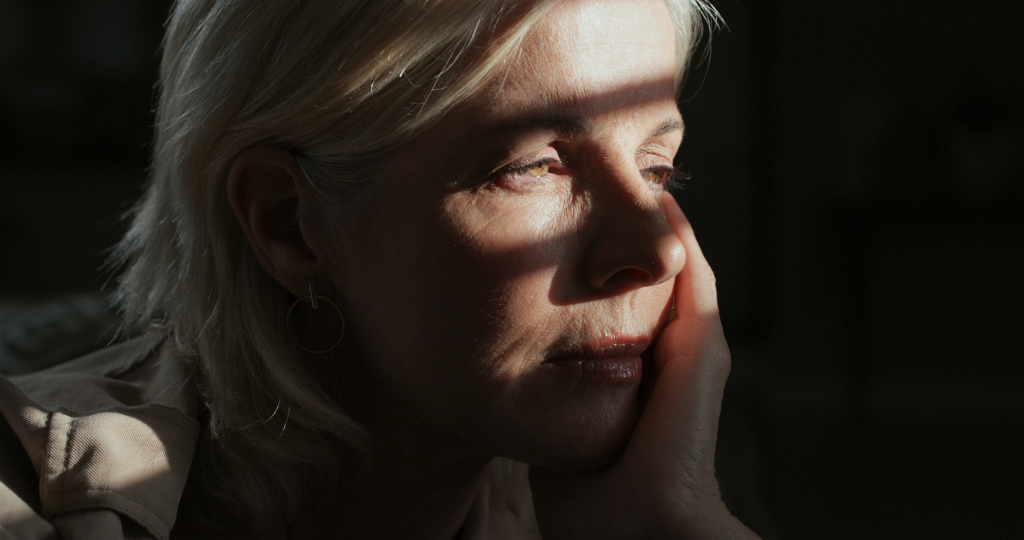
Our parents were often wounded children trapped in adult bodies. Even if they said, “We only wanted the best,” they didn’t really know what that meant. They didn’t understand that emotional safety matters more than grades, or that attention isn’t a reward but a basic need.
Many hope things will get easier if their parents magically change—earn a fourth degree, buy their own home, or welcome a third grandchild. But usually, that doesn’t happen. They won’t change, and maybe they can’t.
The hard truth is, there’s little chance they’ll admit what they did, apologize, or finally understand.
The good news? You don’t need that to heal. You can be the parent you wished for. The adult you would have been proud of as a child. You can break the generational cycle, stop automatic reactions, and release inherited fears. You can let go of what wasn’t meant for you but was left in your care.
You can be the first in your family who isn’t afraid of their feelings, who doesn’t shut down what they feel. Someone who can connect—first with themselves, then with others. Because luckily, you don’t have to change the past, just your relationship with the present.