Dr. Shane Davis, a sports physician at Tufts Medical Center and faculty member at Tufts University School of Medicine, shared with The Healthy that what’s called "retro walking" is much more than a quirky trend. As he puts it: “Everyone can benefit, but it’s not safe for everyone.” Let’s explore why backward walking might be worth trying and how to do it safely!
What is retro walking, and why is it so effective?
While physical therapists have long used backward walking in rehabilitation, it’s now gaining popularity in the fitness world. “It’s often used for lower limb pain because it applies different forces to the body, relieving pressure on certain joints,” explains Dr. Davis. Now, more people are practicing it on gym treadmills, in parks, and even on TikTok—and for good reason!
Strengthens muscles you rarely use
Walking backward activates your muscles differently than walking forward. “It engages muscles that don’t work as much when you walk forward,” says Dr. Davis.
A 2024 study (Journal of Clinical and Diagnostic Research) found that retro walking particularly works your quadriceps, hamstrings, glutes, hip flexors, and calves.
These muscles work eccentrically during backward walking, which science shows leads to more effective strength gains, according to a 2023 study in the Journal of Sports Science & Medicine.
Boosts your balance and body awareness
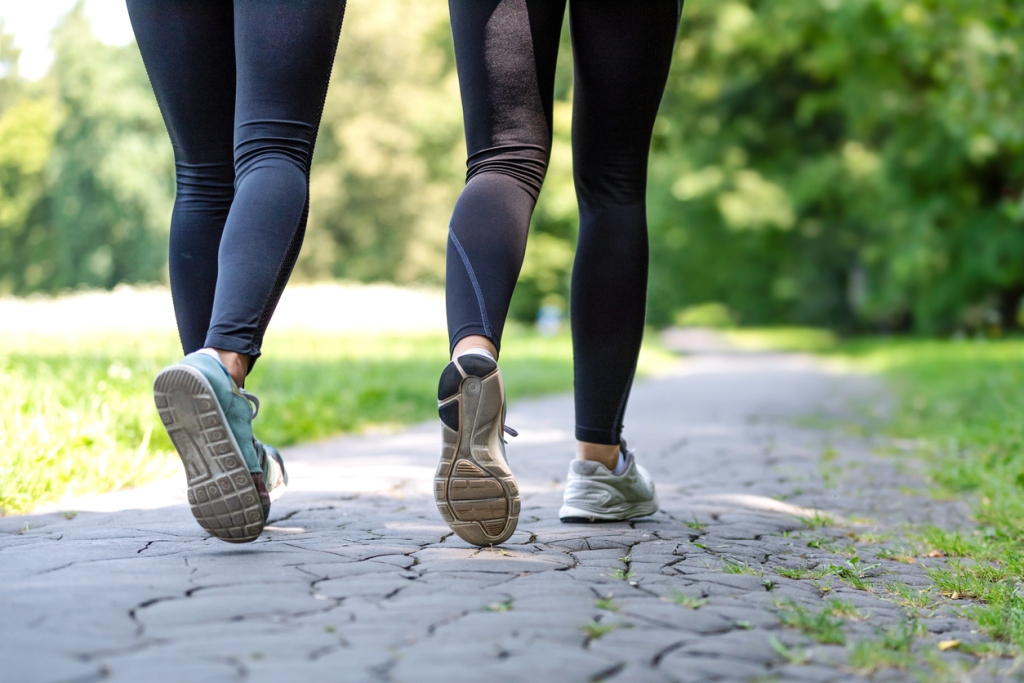
Backward walking also trains the connection between your brain and body. “This new movement pattern triggers neuromuscular adaptations, improving coordination and balance,” says Dr. Davis, adding that “proprioception—your ability to sense where your body is in space—also improves.”
Since you can’t see where you’re going, your stabilizing muscles (especially around your ankles, knees, and hips) work harder to keep you steady. This not only helps your athletic performance but also lowers your risk of falls.
Burns more calories than walking forward
It’s not just more fun—it’s more intense than regular walking. “Biologically and habitually, we’re wired for forward movement. Backward walking is less efficient, which makes it more challenging,” explains Dr. Davis. The American College of Sports Medicine notes that retro walking can burn up to twice as many calories as traditional walking.
Supports your heart health
A 2023 study in Health Science Reports showed that people who walked backward at least 15 minutes, four times a week, improved their VO2 max (cardiovascular fitness), lowered blood pressure, and reduced inflammation—a key risk factor for heart disease—after just 12 weeks.

Your brain will thank you
Retro walking challenges your mind as well as your body. “It’s tough because it’s unfamiliar,” says Dr. Davis. “At first, it takes mental and physical effort, but that’s great for your brain.”
UCLA Health reports that backward walking boosts activity in the brain’s problem-solving and decision-making areas. A 2019 study in Cognition even found it can improve short-term memory.
Gentle on your joints
While many workouts strain your joints, retro walking can do the opposite. The Health Science Reports study found that moving backward puts less pressure on joints while strengthening stabilizing muscles that protect your body long-term.
“In some cases, it relieves joint stress by changing force patterns while improving muscle strength and control,”
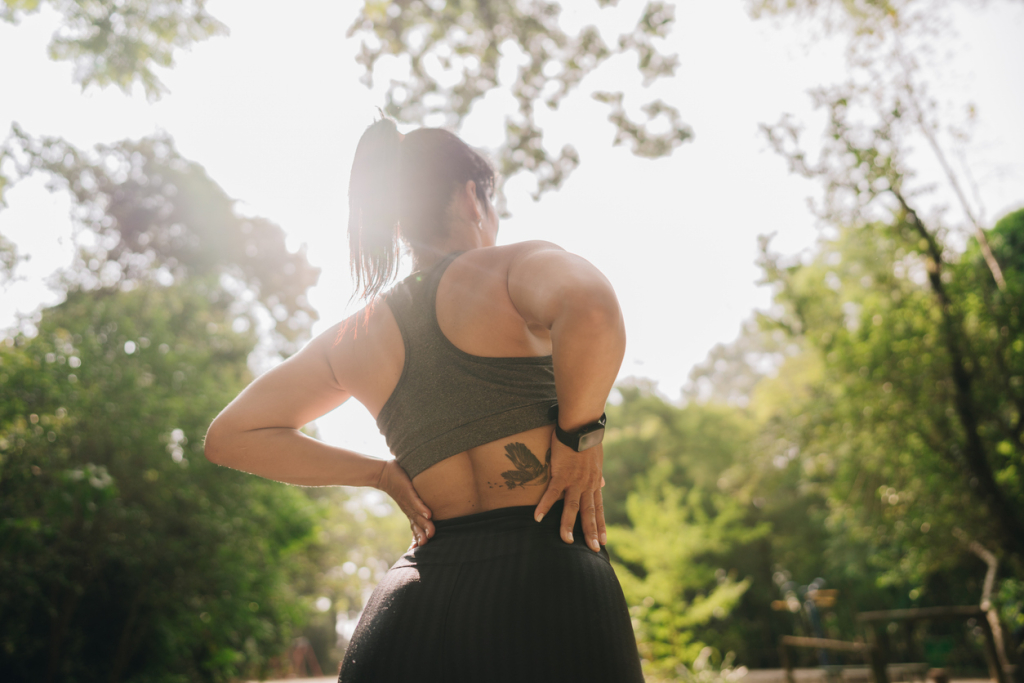
May ease lower back pain
Backward walking activates deep core muscles, especially those supporting the lower spine, according to a 2022 study in the Asian Pacific Journal of Health Sciences. Participants experienced increased lumbar mobility and reduced back pain even after a short time.
How to start safely
Here’s the best part: anyone can try it—with the right caution. Dr. Davis recommends starting in a safe, controlled space like a treadmill with handrails or a flat surface where you can hold on. Begin with short, slow sessions and gradually increase distance and intensity. “Don’t rush—it can increase your risk of falling,” he warns.
When to avoid it
“Everyone can benefit, but it’s not safe for everyone,” Dr. Davis emphasizes. If you have balance issues or neurological problems affecting coordination, backward walking could be risky. In those cases, only do it under expert supervision, like a physical therapist.
A 2023 study (Multiple Sclerosis and Related Disorders) found that people with multiple sclerosis improved balance, walking, and mobility through retro walking—showing it can even have therapeutic value under the right conditions.
Golden rules for safe retro walking:
- Wear stable, supportive shoes,
- avoid uneven or crowded areas,
- start slow with small steps,
- pay attention to your posture,
- consult a doctor if you have injuries or musculoskeletal issues!
Retro walking is exciting, effective, and even fun—especially if you’re looking for a new challenge. Just 10–15 minutes a day can bring noticeable benefits for both your body and mind. Need another reason to give it a try?