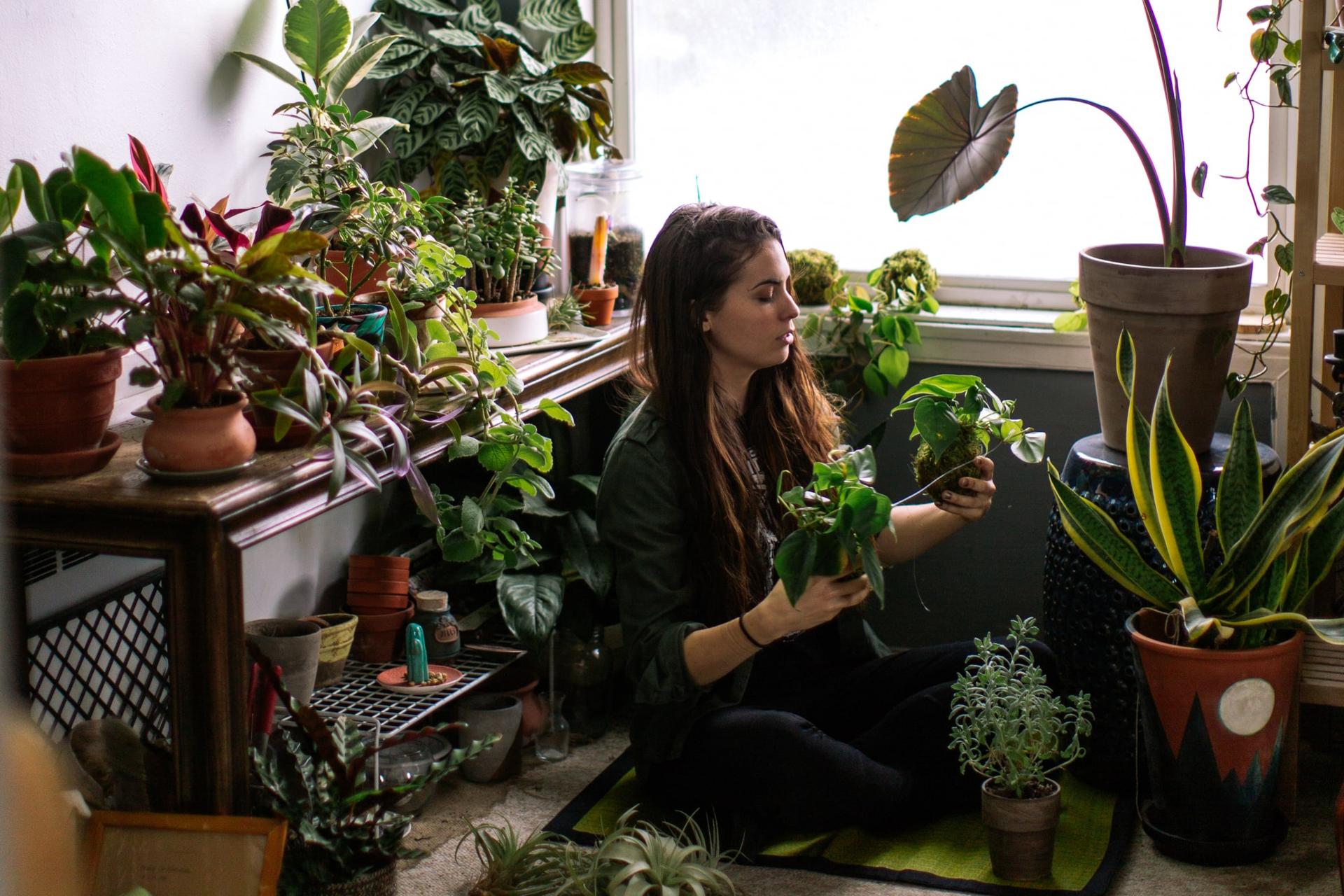
I’m still no plant expert, but nowadays it’s much rarer for the green beauties I bring home to end up lifeless in the trash after just a few weeks. That’s because I’ve learned to spot common problems early and know how to tackle them.
Holes in Leaves – Pests or Physical Damage?
When you spot small or irregular holes in leaves, pests are usually the first suspects. Common culprits include slugs, aphids, thrips, and leaf beetles. These tiny critters feed on leaves and leave clear signs behind. Take a closer look, and you might find live insects, larvae, or eggs on your plant.
Fix it:
Use natural insecticides like neem oil or soapy water to treat your plant. For severe infestations, removing affected parts or using chemical insecticides might be necessary if nothing else works. Regular checks help keep pests from multiplying. Until fully healed, isolate the infected plant to protect your others.
Brown Leaf Edges – Too Much or Too Little Water?
Brown edges on leaves are a common issue, especially with houseplants. Often, it’s caused by improper watering. Too much water drowns roots, blocking nutrient uptake. Too little water dries out leaves, also causing brown edges.
Fix it:
Check soil moisture before watering. Use well-draining potting soil and ensure your pot has drainage holes. Tailor your watering routine to each plant’s needs—a cactus won’t need as much water as a fern.
Curling Leaves – Sunlight Can Be a Culprit Too
Yellowish-brown, burnt-looking spots on leaves signal too much direct sunlight. This often happens with houseplants originally from shady tropical forests. Strong sun literally burns the leaves, especially when water droplets act like tiny magnifying glasses intensifying the rays.
Fix it:
Move your plant to a bright spot with indirect light. If it’s in a south-facing window, use a sheer curtain or shade. You can remove damaged leaves, but your plant will bounce back quickly once the light is right.
Yellowing Leaves – Nutrient Deficiency or Root Trouble?
Yellowing leaves can have many causes: iron deficiency, overwatering, poor soil, or disease. If only lower leaves yellow, it might be natural aging, but rapid spread signals a bigger issue.
Fix it:
Check soil quality and repot in fresh soil if needed. Use a balanced, water-soluble fertilizer, especially during growth. Inspect roots too—excess moisture can cause root rot.
Leaf Drop – Stress or Natural Cycle?
If a plant suddenly drops a lot of leaves, it’s often stress: temperature changes, drafts, too much or too little light, or moving the plant can trigger it. For some plants, like ficuses, this is normal when they’re relocated.
Fix it:
Stabilize the environment: keep temperature steady, maintain proper humidity, and water moderately. Avoid unnecessary moves and give your plant time to adjust.