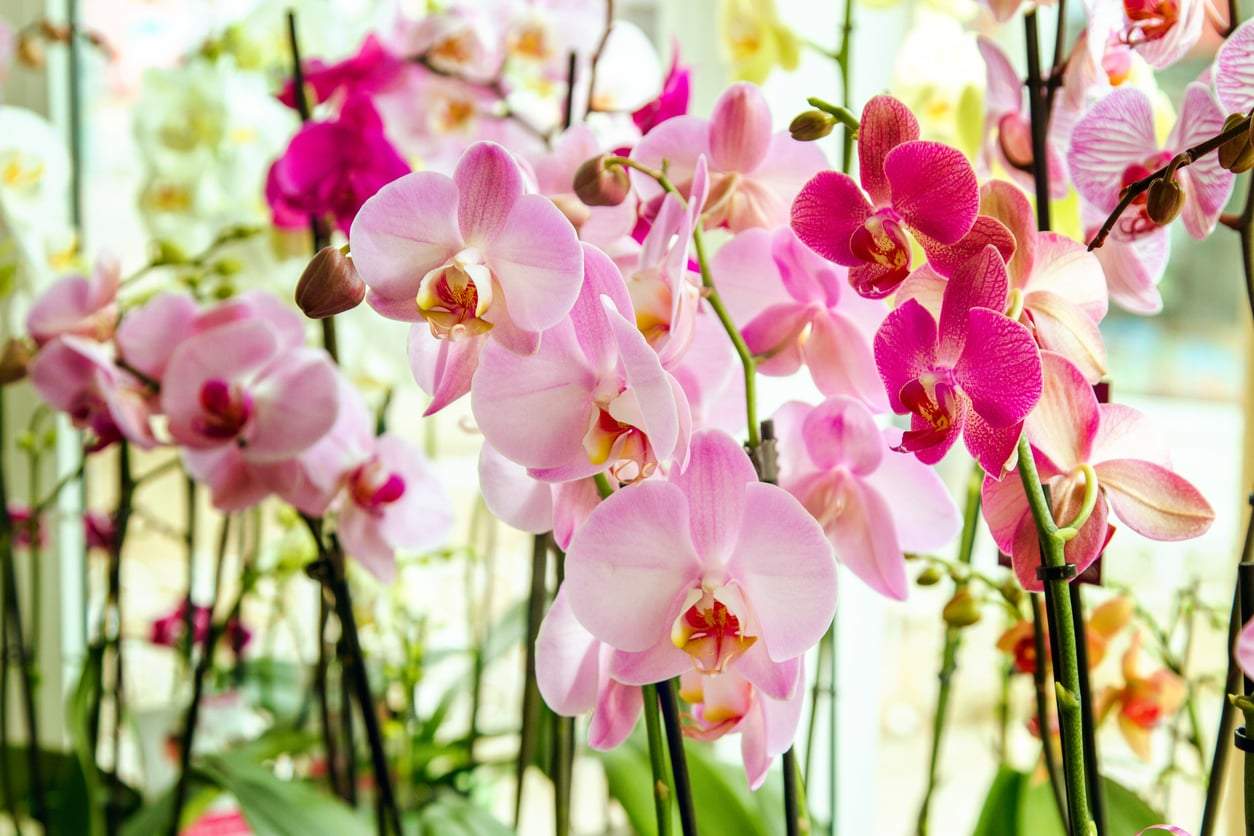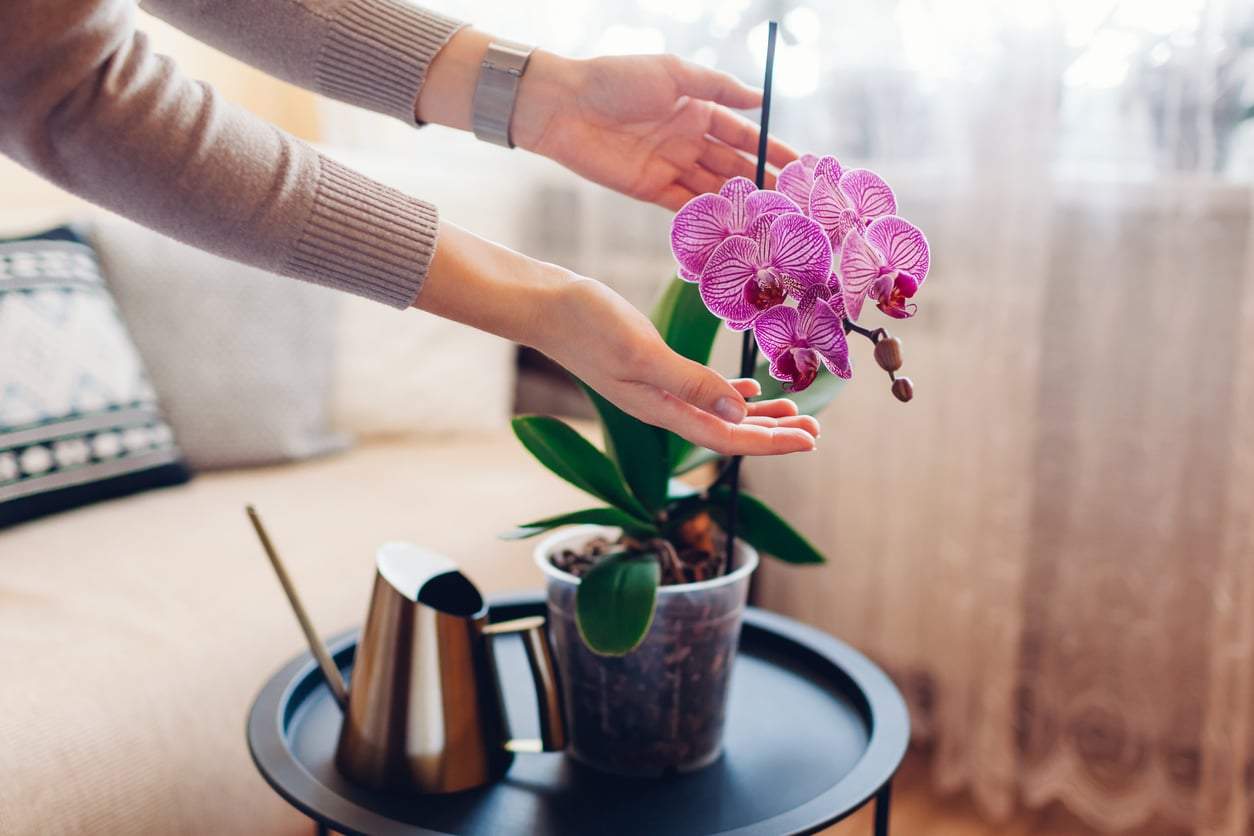
I am an enthusiastic orchid collector, and the windowsills in our living room and bedroom are full of beautiful orchids that look simply magical when they bloom. However, recently I noticed tiny little droplets on the orchids I lovingly care for. I immediately got scared because I had a similar precedent before, and then my plant was clearly sick.
Diving deeper into the realms of artificial intelligence, I took a photo of the flower and asked what I could do to remedy the situation. It turned out that the droplets on my flowers are completely normal, and the plant naturally produces them. Then I researched further elsewhere, and indeed! Encouraged by this, I gathered some similar phenomena that are mistaken for diseases but are not scary at all! You don't always have to think the worst because not every "fault" or "disorder" is harmful to plants.
1. Transparent droplets
Transparent droplets appearing on flowers are not always bad; they can be nectar drops or secondary substances secreted by the flower at the base of the plant, the edges of the leaves, or the stem. In the case of orchids, for example, these nectar droplets are meant to attract insects and pollinators (obviously, the poor flower doesn't know it's not sitting in a tropical rainforest outside, so it waits in vain for pollinators).
2. Sticky droplets
If the droplets on a plant are sticky but no pests or spots are visible around them, they are likely harmless. The droplets can be caused by excessive humidity and water that the plant cannot manage. Plants can also exhibit natural "sweating" if the air is humid and the plant is growing vigorously.
3. White powder on the leaf
You don't have to start spraying pesticides immediately if you find white powder-like phenomena on the leaves of some plants, such as plums and succulents. This is a natural wax coating that protects the plants from drying out. If it bothers you, you can wipe it off, but that only hinders the plant's development and natural growth.
4. Purple spots on the leaf
If a plant receives more light than before for some reason, purple or reddish discolorations may appear on its leaves. Bromeliads or some climbing plants may also react to changes in light this way. It is not a disease, just a change caused by an environmental stimulus.
5. Strange brown "capsules" on the leaves
If you notice strange brown little capsules or lumps under the leaves of your beloved ferns, don't immediately think the worst. Many confuse this phenomenon with mold, but it has nothing to do with it; you are simply seeing the fern's spore cases on the underside of the leaf, which is completely natural as this is how they reproduce.
6. Resin on trees
Many trees have sticky resinous substances, which—although sometimes a sign of disease—are mostly a natural defense mechanism of the trees. The resin's role is to protect the trees. Since resin has antibacterial and fungicidal properties, it helps trees heal wounds caused by external factors such as sunlight, pruning, or injury.
When is there really a problem?
It is often very difficult to distinguish between plant diseases, pathogens, fungi, aphids, and natural reactions. If, alongside the mentioned phenomena on flowers and plants, you notice tiny white creatures, you are likely dealing with aphids, thrips, and the secretions of scale insects.
White, cotton-like tufts on flower stems and leaf bases indicate mealybugs; yellow spots on leaves suggest spider mite feeding, and armored brown bumps are also worth attention, caused by scale insect infestations.
Yellowing, wilted, suddenly falling leaves indicate overwatering, root rot, and nutrient deficiency, while dark water spots and black necrosis may suggest fungal infections or bacterial problems.