Sometimes, in the most crucial moments, help comes from unexpected places—not where we planned or logically expected it. Illness—whether minor or truly frightening—can throw us into a world where control slips away and vulnerability takes over. That’s when you truly see how many hands hold you up, how many people’s efforts intertwine to help you stand tall again. My own story proved this: the real heroes of my recovery were often not the names on the clinic door.
Feeling Seen as a Person Beyond the Symptoms
In recent months, I’ve experienced firsthand how the body sends clear, uncompromising warnings. I visited renowned private clinics and busy public wards, encountering everything this system offers: kindness and fatigue, empathy and indifference, attention and rejection. It was eye-opening to realize that care often doesn’t depend on price tags or status.
The pain grew, the diagnosis dragged on, and I became increasingly uncertain. It’s easy to get lost in a maze of data, tests, and medical jargon—especially when you don’t feel that someone truly sees you beyond the papers and results.
The Respect That Restored My Dignity
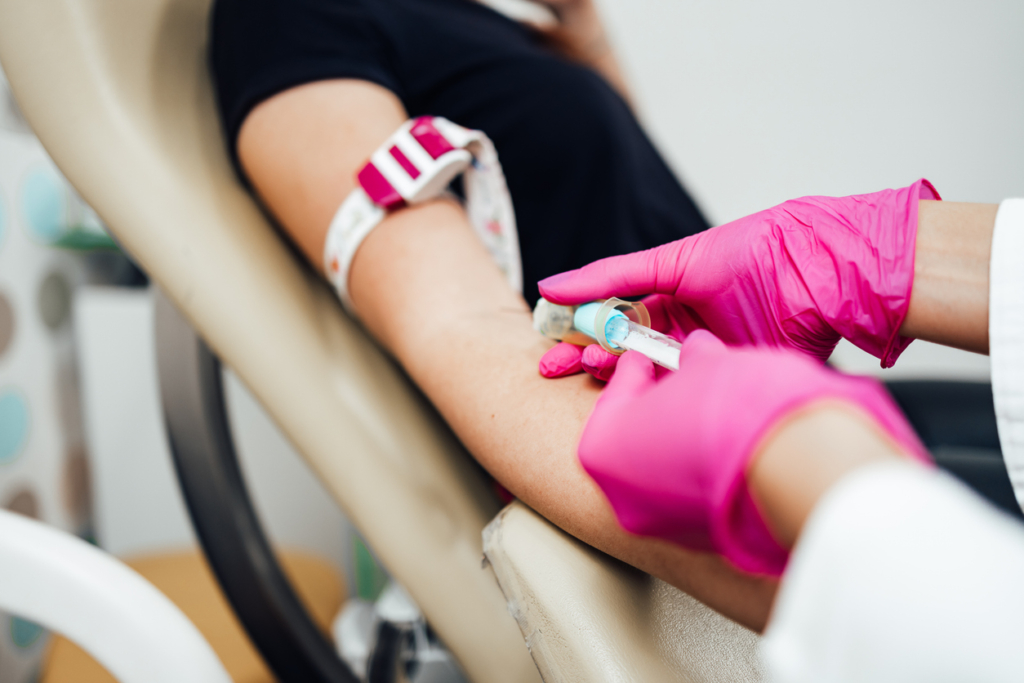
The turning point surprisingly came from a hospital nurse—a man I didn’t know what to expect from at first. But the way he spoke to me, carefully explaining what he would do and why, sent a clear message: you are safe. He didn’t need to emphasize respecting my boundaries or my femininity; his presence alone radiated it.
Despite my vulnerability, I felt a strength I hadn’t felt in a long time. This quiet, genuine care reminded me of the comfort I usually only find at home with loved ones.
There were moments when even those who truly wanted to help couldn’t offer much. Yet a single encouraging phrase (“You will heal!”) kept my spirits alive for days. In times like these, you realize hope isn’t a luxury—it’s a vital medicine. And anyone who can offer even a bit of it is doing something extraordinary.
The One Who Truly Saw Me
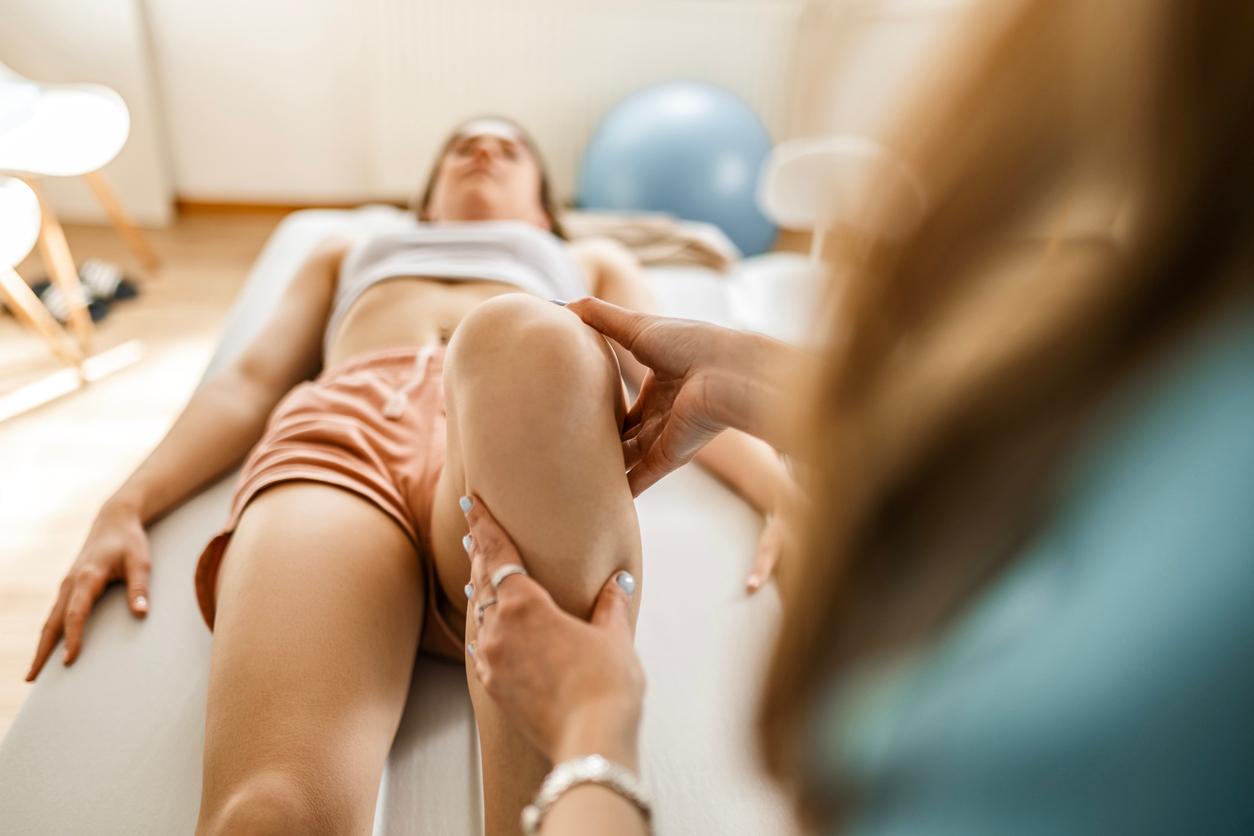
The biggest surprise came when I met my physical therapist. No thick files, no MRI scans, no test results flipped through. He just listened—watching me, my movements, my breathing, how I instinctively tried to avoid pain. Within minutes, he pinpointed the root of my problem with perfect accuracy.
I was amazed by his knowledge, but even more by the fact that he tried to understand me not from papers and dry data (or others’ misdiagnoses), but from who I truly am.
This simple yet rare approach restored my faith that healthcare professionals exist who see not just the body and illness, but the whole person as a complex, interconnected system.
The Real Heroes Work Where No One Applauds
I realized healing is much less glamorous than we’d like to think. The spotlight rarely shines on those who save our day—not the nurse who patiently cares for us, not the physical therapist who hears what we don’t say, not the assistant who greets us with a smile even when exhaustion shows in their eyes. They work quietly, almost invisibly, yet they hold us up when we’re at our weakest.
Illness never comes at a good time, never feels comfortable, and is never chosen. But it teaches us something we tend to forget when healthy: that healing depends not only on medicine, diagnoses, or machines, but on people. People who don’t wait for applause—they simply do their heartfelt work, often for far too little recognition or pay.