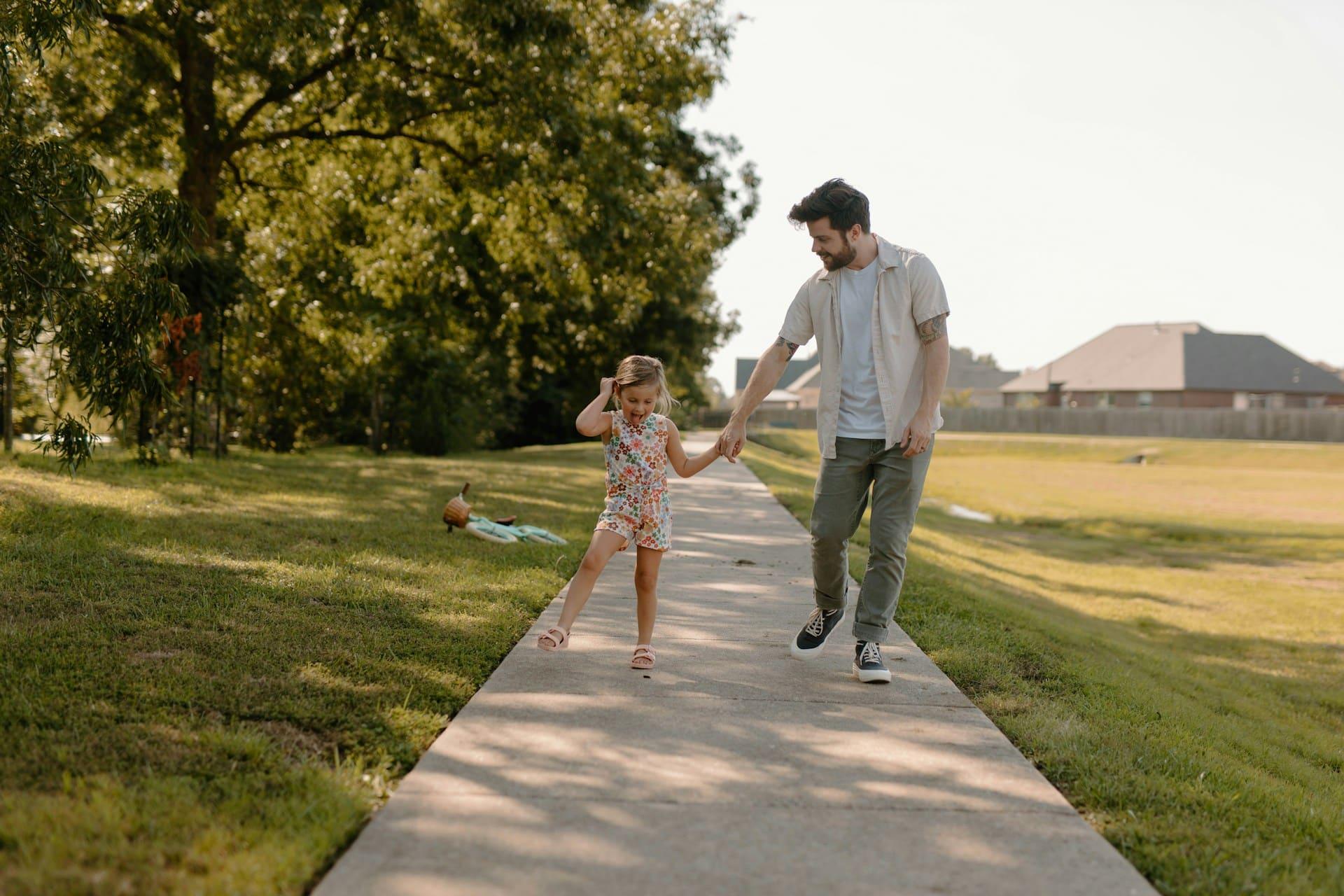
Boys are often taught from a young age to bottle up their feelings. Messages like “boys don’t cry” or “be strong” have shaped what it means to be a man for generations. Because of this, many grown men—and dads included—struggle to recognize and handle their emotions in healthy ways. They tend to hide mental health challenges like anxiety, depression, or burnout instead of seeking support.
This kind of emotional suppression doesn’t just wear down dads’ inner balance over time; it also indirectly affects their children’s emotional and mental growth. Research shows a father’s mental state significantly influences a child’s behavior, emotional regulation, and even school performance.
The Invisible Pattern: What a Dad Passes On—or Doesn’t
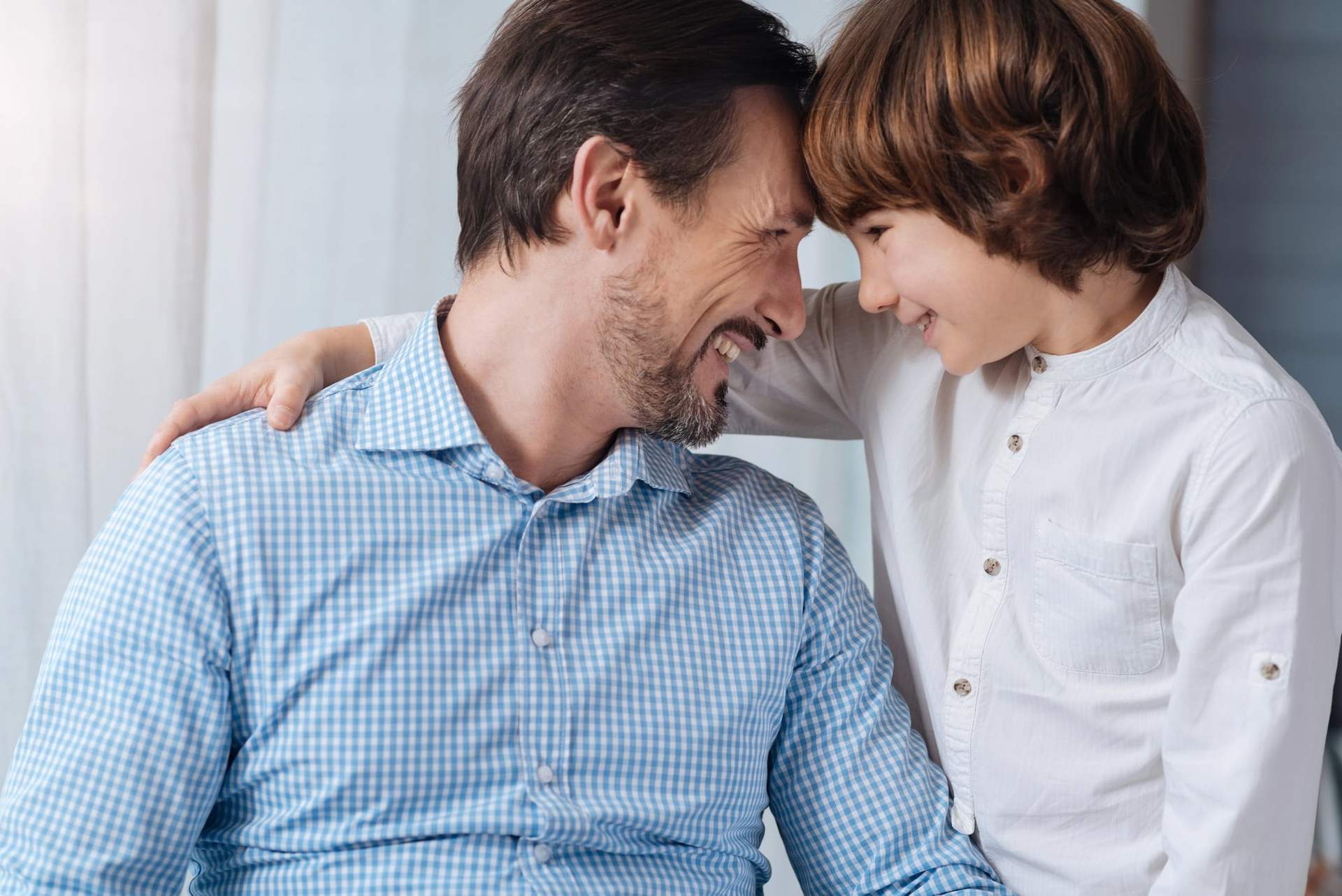
Kids learn not just from what parents say, but mostly from what they see. If a dad is emotionally distant, closed off, or irritable, children internalize that emotional pattern. For a young child, a father isn’t just a caregiver—he’s the first example of how to experience and manage emotions, or how not to.
If a dad can’t openly talk about his feelings or lacks tools to process them, his child learns to avoid those emotions too.
This is especially true for boys, who often mirror their father’s emotional habits—closing the loop. An emotionally struggling dad often can’t fully support his child because he hasn’t learned how to be emotionally present himself. Over time, this can lead to anxiety, trust issues, or behavioral challenges in kids.

Mental Health Is Not Weakness—It’s Responsibility
It’s key to realize that a father’s mental well-being—just like a mother’s—isn’t just a private matter. It fundamentally shapes how the whole family functions. A balanced, emotionally available dad creates a safe space where kids feel free to explore their own feelings.
For this, men need access to coping strategies that help them maintain their mental health.
This might mean therapy, strengthening friendships, or simply opening up society’s conversation about men’s emotional struggles. But the first step is dads recognizing they have feelings—and that these deserve attention, not just for themselves but for their children’s future too.
The New Dad Image: Being Emotionally Present
Change calls for a fresh vision of fatherhood. One that’s not about toughness or control, but about empathy, presence, and openness. This new dad image isn’t weak—in fact, it shows strength by facing inner challenges head-on.
So, fathers’ mental health isn’t just a personal issue—it’s a social matter spanning generations. The more we talk about it and the more men take steps toward emotional balance, the better chance their kids have at living healthier, emotionally richer lives. And maybe one day, it’ll be completely natural to say: dads can cry too—and that’s perfectly okay.