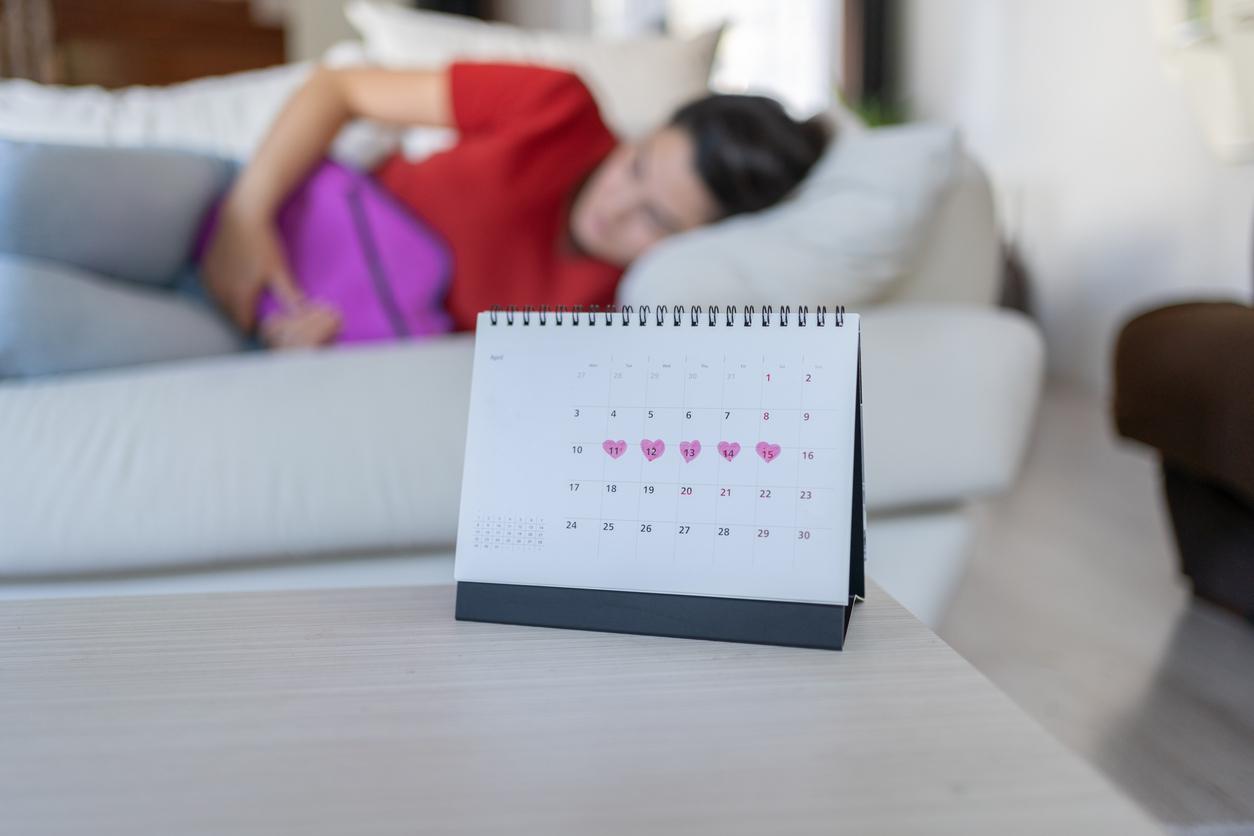
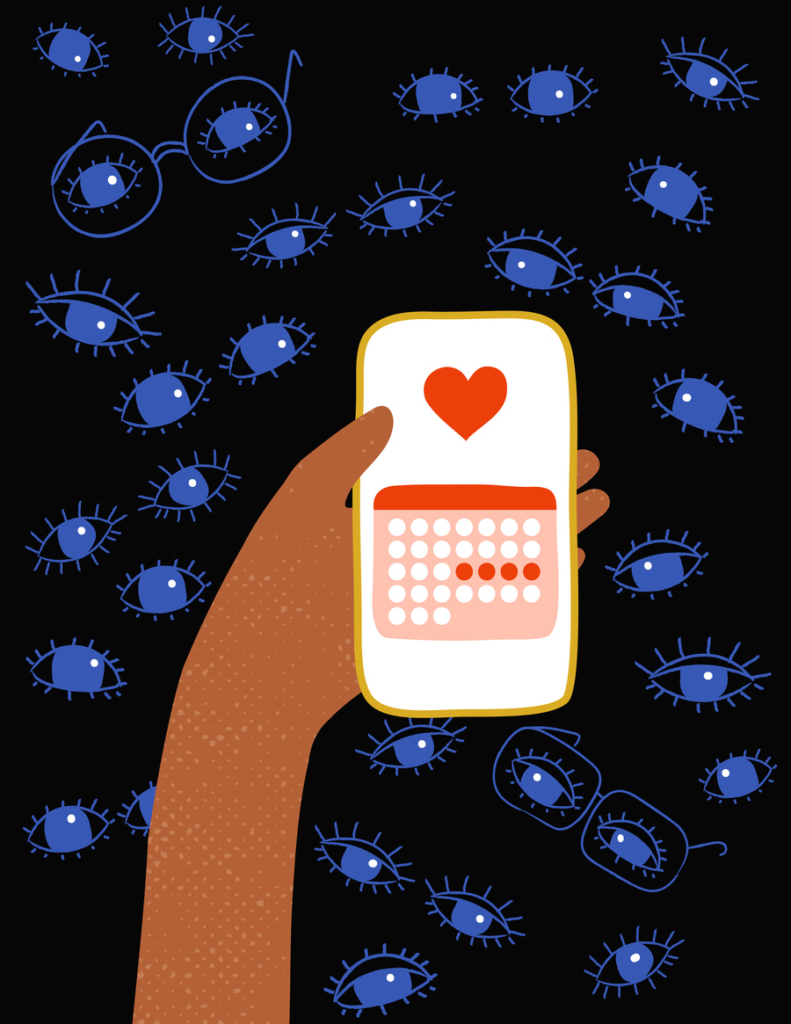
In recent years, there’s been a lot of buzz about cycle tracking and understanding hormonal waves. The female body isn’t a fixed, predictable system but a four-phase, ever-changing natural rhythm. But it wasn’t until I turned 37 that I started mindfully paying attention to my cycle, tracking how I felt and experienced it, and trying to adjust my daily life accordingly—for better mental health and efficiency.
So, I decided to consciously align my life with my cycle for a month. My goal wasn’t to perfectly time every activity with my hormones—that’s unrealistic—but to understand what’s happening in my body and how it affects me. The insights surprised me and felt incredibly freeing.
Menstrual Phase – Time to Retreat and Recharge
During menstruation, many women notice their energy dips, feeling more tired and sensitive to the world around them. I’m the same, especially in the first few days. During this time, I consciously slowed down: I avoided big social events and focused on quiet tasks that didn’t demand creativity or big decisions. My old self would have pushed through at full speed, but now I’ve learned it’s not a “weakness” to slow down when my body signals it.
Surprisingly, allowing myself this retreat made my period less taxing: fewer cramps and less tension.
Follicular Phase – Fresh Start, Rising Energy
After menstruation, the follicular phase begins, when hormones—especially estrogen—start to rise. For many, this is a time of creativity, flexibility, and lightness. For me, it was when I felt most inspired to start new projects, brainstorm, and plan. That week, I reflected on what I could move forward, planned ahead, and tackled tasks early so I could rest during my next menstrual phase.
Ovulation Phase – Your Social Peak
The days around ovulation are often called the “superpower week” by many women: feeling more confident, energized, and communicative. This makes sense hormonally, as estrogen peaks and the body biologically opens up and becomes more active.
I experienced this phase as a mini peak time. I enjoyed meeting people more, meetings flowed better, and I generally loved socializing.
I deliberately scheduled events requiring strong communication, presentations, or persuasion during this phase.
For example, organizing a playdate with my daughter’s little friends that week was a great idea—I’m sure I wouldn’t have enjoyed all those kid-focused activities as much any other week. This time, I could easily see the fun and excitement.
Luteal Phase – Slow Return Inward
After ovulation comes the luteal phase, often marked by irritability, sensitivity, and fatigue. Progesterone rises, and energy gradually dips. I noticed my focus lasted for shorter periods, and problems that were easy before felt tougher now.
Cycle tracking saved me from thinking “something’s wrong.” I simply knew it was the luteal week. I set fewer creative tasks and focused on structured, list-friendly, routine chores. Accepting my mood swings was easier because I understood the mechanism behind them.
What This Whole Experience Gave Me
The biggest realization was that my cycle isn’t a barrier—it’s a rhythm. It doesn’t limit me; it guides me. The greatest benefit of cycle tracking for me was being kinder to myself, ending the constant self-criticism and the “why can’t I do it like last week?” mindset, and instead adopting a gentler, more accepting attitude.
Cycle tracking doesn’t solve everything, but it teaches us that our body isn’t the enemy or flawed—it just has its own rhythm that’s worth honoring. When we listen, life becomes not only easier but more harmonious.