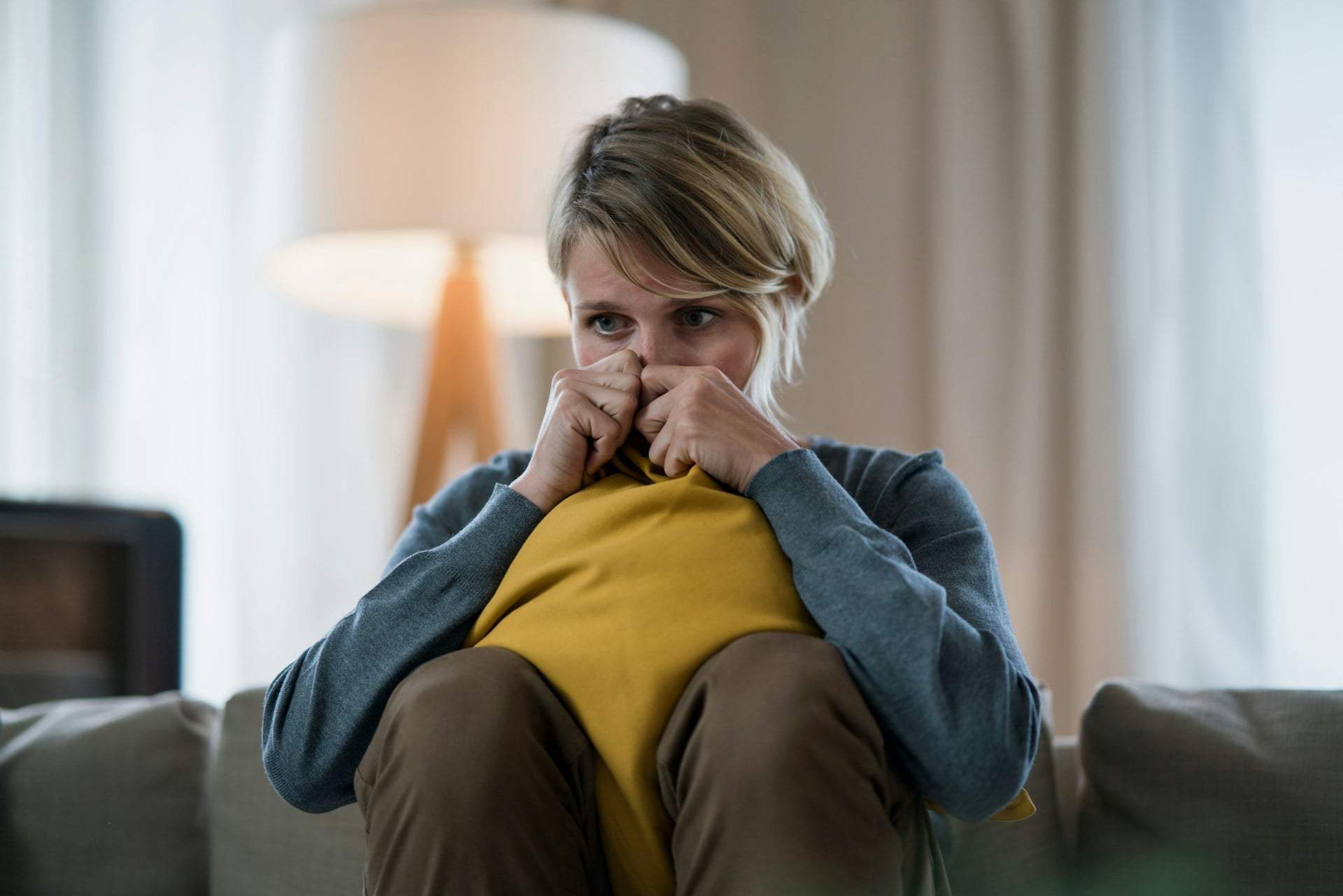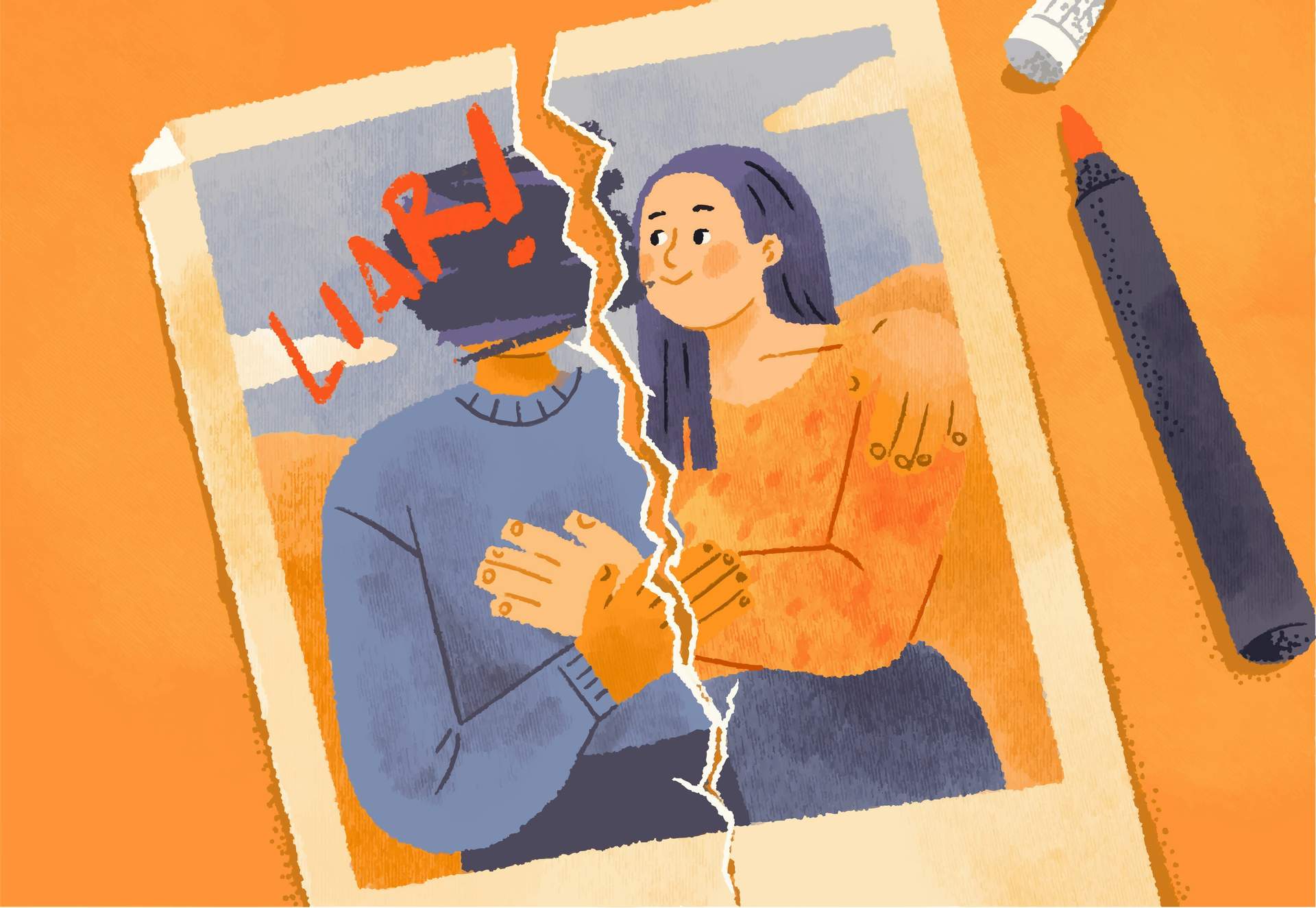
All my adult life, I believed my need for control was just part of who I am. I like knowing what’s coming next. I prepare, make lists, and think ahead. I don’t leave important things to chance or let life unfold with a "we’ll see how it goes" attitude. I saw myself as a grown-up, responsible person who steers the ship instead of drifting. And for a long time, no one questioned this — least of all me.
I thought my control was a strength, and since it helped me move forward in many areas of life, it was easy to keep believing it was only a benefit to hold the reins tightly.
Then, during a therapy session, my psychologist suggested that my cling to control was actually a defense mechanism.
At first, I was upset. Control meant safety to me, yes — but why would that be a problem?
Control guarantees I won’t fall apart, that nothing unexpected can happen to me, that nothing can hurt like it used to. Because those who control aren’t vulnerable.
Only later did I start to understand that this was exactly the problem. It wasn’t my organization or foresight that was the issue, but that I did all this not out of free will, but out of fear. I didn’t do it because "that’s just who I am," but because I learned it was the only way.

My Control Wasn’t About Loving to Keep My Life in Check
It was about being terrified of what would happen if I let go. If I didn’t notice every little sign, if I didn’t read between the lines, if I didn’t prepare for every possible outcome. My control said: if you hand over the reins again, if you let someone else make even the smallest decisions, you’ll find yourself back in the vulnerable place you were as a child. You’ll be at risk, exposed, and others will take advantage. You have to learn to protect yourself.
When I accepted the idea that control can be armor, many things started to shift. I realized that in recent years, I wasn’t "strong" because I handled burdens well, but because I refused to let anyone share them. I didn’t ask for help because it’s unpredictable. I didn’t let others lead because that meant losing control. And all the while, I became lonelier — trapped in my carefully built safety.

This realization wasn’t a dramatic moment. It was more like many small cracks in my armor. When I saw I couldn’t truly rest. That I planned even when it made no sense. That what bothered me wasn’t things going wrong, but that I hadn’t anticipated them. And finally, that control doesn’t soothe me — it wears me out. A heavy, suffocating armor that weighs down my limbs, and while I thought it protected me, it actually shut me off from others.
Stepping out of this armor wasn’t a big, dramatic act, and even today I still struggle to let go of things beyond my control.
But little by little, I started accepting that I can’t control everything. That I won’t have all the answers. And that if I let someone in, yes, I might risk getting hurt — but if I shut everyone out, I’m choosing a lonely life.
My armor once saved me. It helped me leave behind the vulnerable child I once was, and for that I’m grateful. But today I know that just because it got me through one battle doesn’t mean I have to live in it forever.