Every Christmas season, I bring home a stunning poinsettia, and Christmas cacti are always part of my holiday decor. Yet, despite my best efforts, these plants have never made it through to spring—probably because I didn’t care for them properly. They may look simple, but they actually need special attention and consistent care. Once you learn what they love, their needs, and their ideal spots, they’ll stay lush and green all year long. Their colorful blooms will keep delighting everyone around.
Here’s a little guide to help you care for your Christmas plants, because even experienced gardeners can find them a bit challenging.
1. Poinsettia
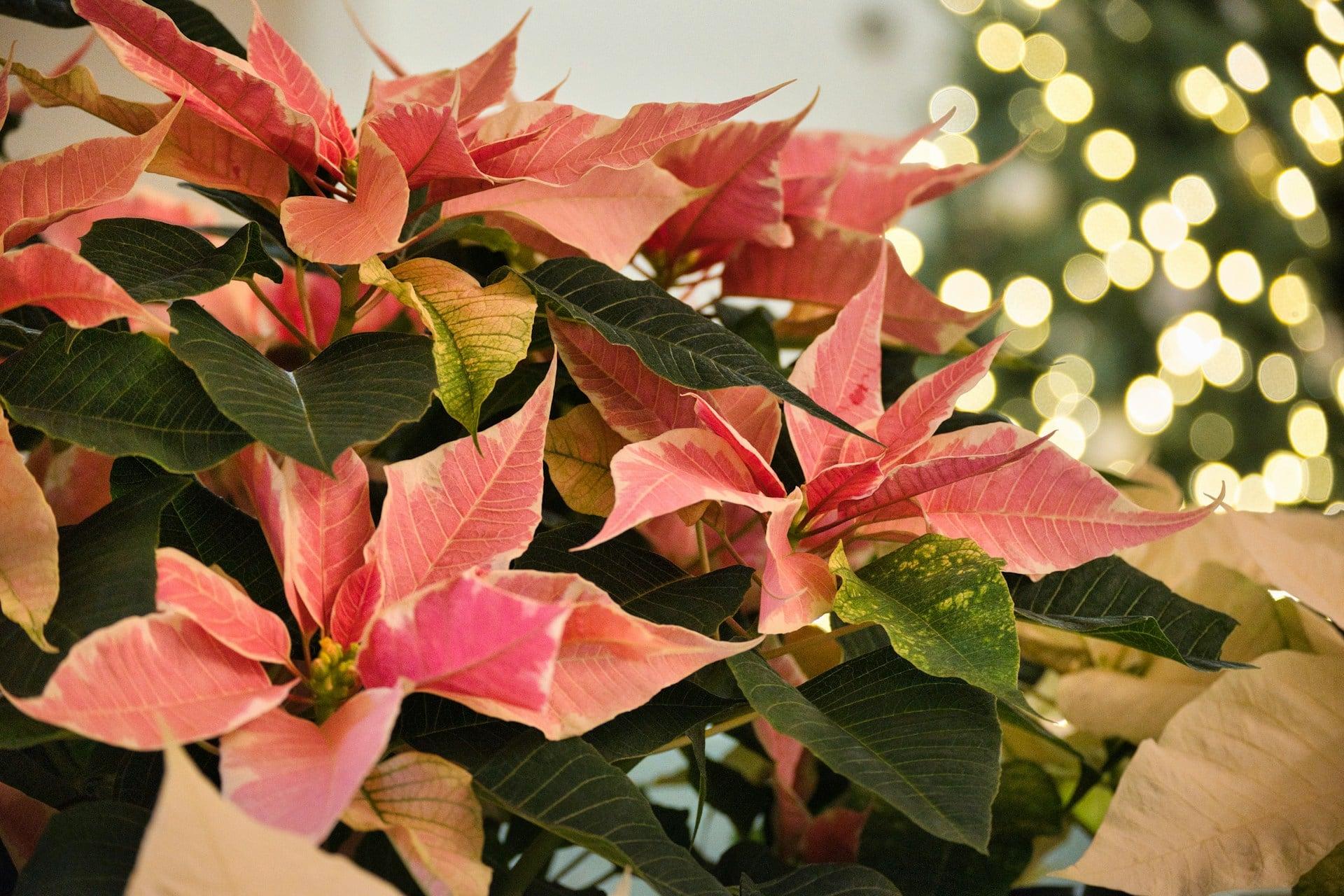
Poinsettias originate from warm regions near the Equator, so they absolutely need plenty of light. They thrive in bright spots but hate drafts and cold. If you’re airing out the house after cooking holiday dishes, move your poinsettia away from chilly breezes to prevent it from catching a chill. Keep the soil moist but not soggy, as overwatering can cause the roots to rot.
When the red bracts fade and drop, trim the plant back by about 10 cm (4 inches) to encourage new growth. At this stage, cut back on watering and give it a rest. If it makes it through this period, fresh healthy shoots will appear, and you can start watering again.
2. Christmas Cactus
This beautiful Christmas bloom doesn’t like dry indoor air. If your home feels dry, place some pebbles under the pot and mist them occasionally to add humidity. This evergreen perennial enjoys light but should be shielded from direct, harsh sunlight.
Water moderately, and from autumn onward, reduce watering to encourage blooming. After flowering, cut back on watering again.
If it stops producing healthy new blooms, it might be too warm—Christmas cacti prefer indoor temperatures around 15°C (59°F). You can fertilize during the holiday season, but after January, they don’t need extra nutrients.
3. Amaryllis
Amaryllis, popular at Christmas, is native to South America but grown in the Netherlands. When it starts budding, keep the soil moist and fertilize during the holidays. It can bloom for several weeks if placed in a slightly cooler spot in the evenings.
After blooming, trim only the dried parts and leave the healthy sections alone. A great perk: you can plant it outdoors later, but only once temperatures reach 20°C (68°F) and frost is gone, as it’s not frost-hardy. Rotate the pot indoors to give all sides enough light, but protect it from direct sunlight.
4. Christmas Rose
The Christmas rose is interesting because it’s not actually related to roses, but it’s closely tied to the season, blooming mostly around Christmas. It needs regular watering and soil that never dries out.
Keep in mind: after the holidays, this amazing plant should be moved outdoors because it prefers the cold and will eventually die indoors—it’s not a houseplant.
While indoors, water it regularly and keep it in a cool, bright spot. After Christmas, gradually acclimate it to outdoor temperatures and place it in balcony boxes. Once frost has passed, you can plant it in the garden. It can bloom from December through March. Always wash your hands after handling it, as every part of the Christmas rose (also known as hellebore) is toxic.