Then the spray arms and the door seal
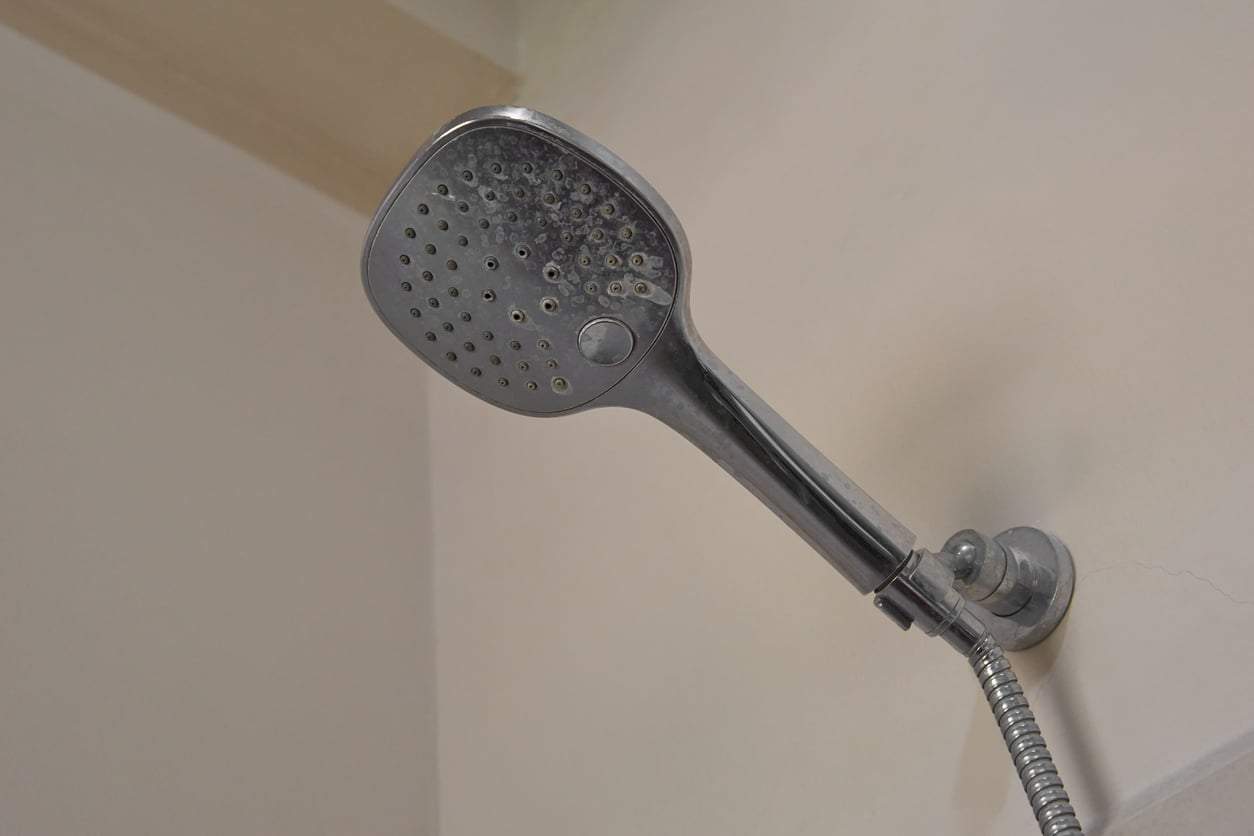
Cloudy, patchy glassware is often not a detergent issue at all but a water-delivery issue. If the little holes in the spray arms are partly blocked with limescale and grit, the water never properly reaches the top of a tall glass. Lift or unclip the arms if your model allows it, hold them up to the light, and poke any blocked holes through with a cocktail stick or an unbent paperclip. Rinse, refit, and spin them with a finger to check they turn freely.
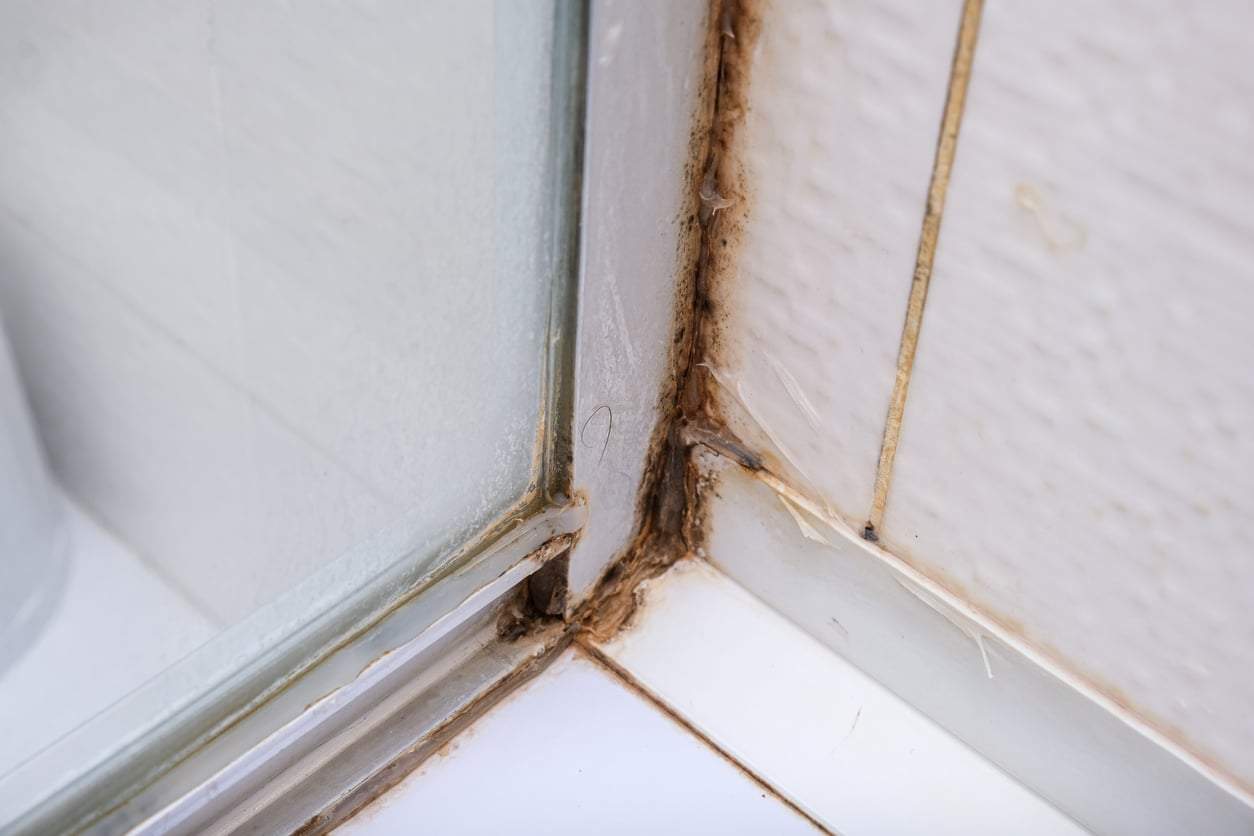
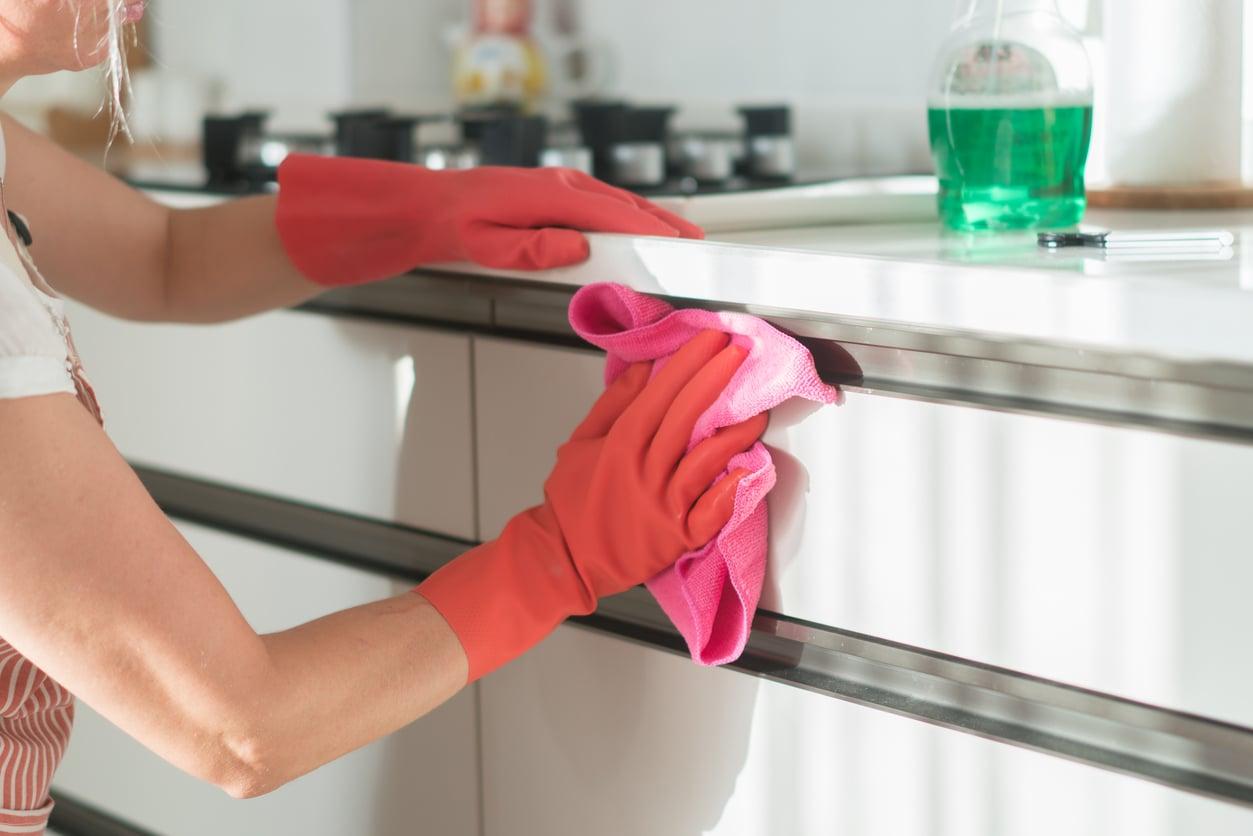
The rubber seal around the door is the second neglected zone. Black speckling and a greasy line along the bottom edge are extremely common, because that strip never gets hot water running over it. A cloth dipped in hot soapy water, drawn along the fold of the seal, will lift most of it; an old toothbrush gets into the corners. Do the same along the bottom lip of the door where water collects and sits.
Finish with a hot empty cycle, then keep it that way
With the filter clean and the arms clear, run the machine empty on its hottest programme. A proprietary dishwasher cleaner is the straightforward option; a bowl of white vinegar on the top rack is the cheap one that helps with limescale, though it will not deal with grease the way a dedicated cleaner does. Either way, the point of the hot empty run is to flush everything you have just loosened out through the drain rather than onto your plates.