The spray arms and the door seal
Lift or unclip each spray arm — most come off by hand or with a gentle unscrew — and check every jet. Limescale and food debris block them, and a blocked arm means a whole section of the top rack gets barely rinsed. Poke each hole through with a cocktail stick or the tip of a paperclip, flush the arm under a tap until water sprays out of every hole, and refit it. Spin it with a finger afterwards to check it turns freely.
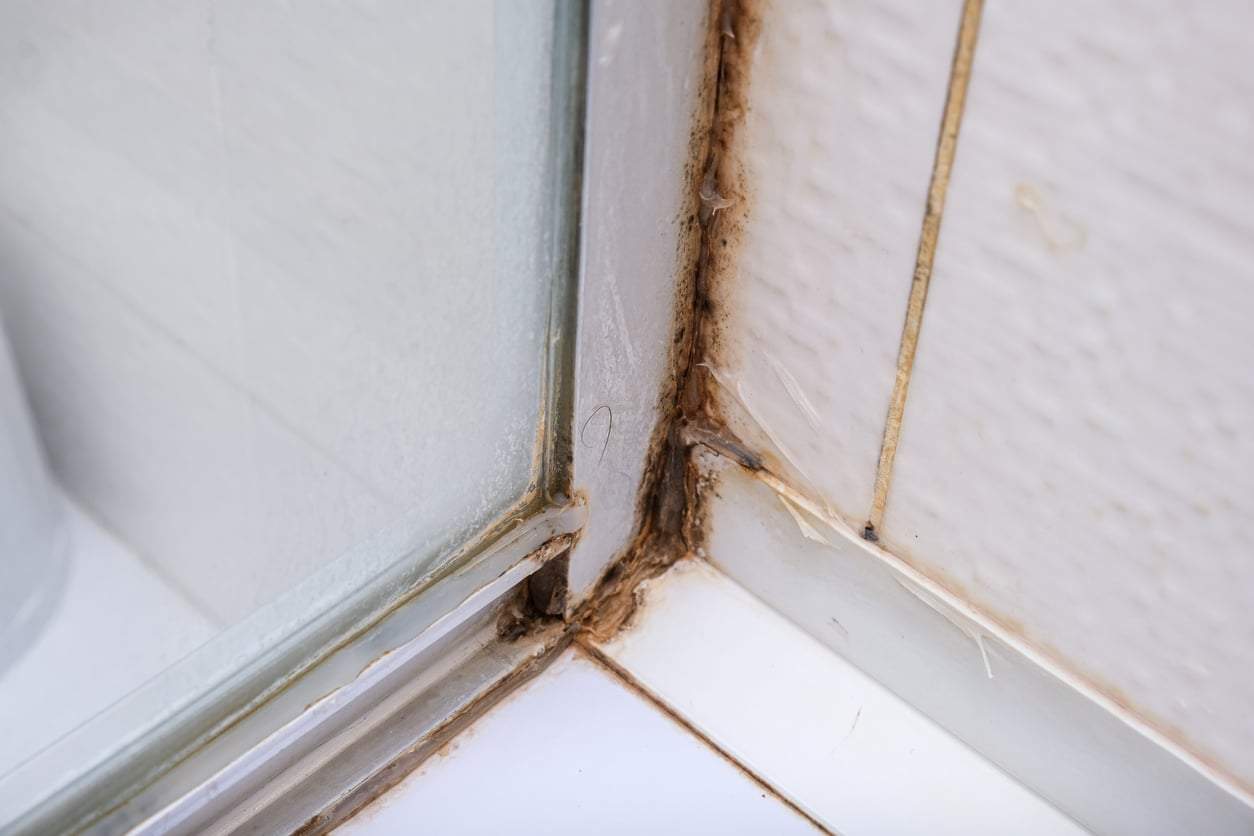
Then the door. The rubber seal around the frame is where the smell lives, because it never gets hot water and it stays damp. Wipe it with a cloth wrung out in hot soapy water, pulling the lip back gently so you get into the fold, and do the same along the bottom edge of the door and the lower lip of the cabinet, where a grey sludge collects. Finish with the detergent drawer and the little flap, which can crust over and stop opening fully.
The hot empty cycle — and the hard water question
Now run the machine empty on its hottest, longest programme. You can put a heatproof bowl of white vinegar on the top rack, or sprinkle a couple of spoonfuls of bicarbonate of soda across the floor of the machine and run it — just don't do both in the same cycle, because they neutralise each other and you get fizzy nothing. Vinegar is the better choice for limescale and film; bicarbonate is better for smell.
If your glassware still looks hazy after a proper clean, the culprit is usually water hardness rather than dirt. In hard-water areas, keep the salt reservoir topped up with dishwasher salt — actual dishwasher salt, not table salt — and set the water hardness level on the machine according to its manual. Keep the rinse aid topped up too, because that is what stops droplets drying into spots. And note that permanent etching on old glasses, which looks like frosting and doesn't change with cleaning, is not reversible; those glasses are better washed by hand from now on.