Watching birds is a special joy for all ages. These wonderful creatures are nature’s little messengers, bringing life and color to our daily routines. Whether you count the feathered visitors with your kids or simply enjoy tracking their presence, birdwatching can become a true source of happiness in any home.
Placement Matters When Setting Up a Birdhouse
Safety is just as important to birds as food. Placing birdhouses of various sizes and types can make your garden a welcoming spot for songbirds. It’s key to position these houses in well-protected areas, away from predators, yet open enough for easy access. This balance helps birds feel secure and comfortable.
The best birdhouses are made from natural materials and designed to shield birds from temperature swings and rain.
What to Fill Your Bird Feeder With
The first and most important step to attract birds to your garden is offering the right food. Setting up different feeders is a great start because seeds, berries, and insects attract a variety of bird species. Choose feeders that are easy to clean and weather-resistant for lasting enjoyment.
Sunflower seeds are often a top pick since they attract diverse birds like tits and finches. You can make your garden even more appealing by offering different food groups such as millet, oats, or cornmeal.
Lush Plants and a Diverse Habitat
Your garden’s plants play a big role in how attractive it is to birds. A mix of native plants not only looks beautiful but also provides shelter and food. Planting berry bushes is a smart move since they offer natural nourishment. Ideal bird-friendly gardens often have a rich variety of shrubs, trees, and perennials, supporting the insects and other foods birds rely on.
Providing Fresh Water
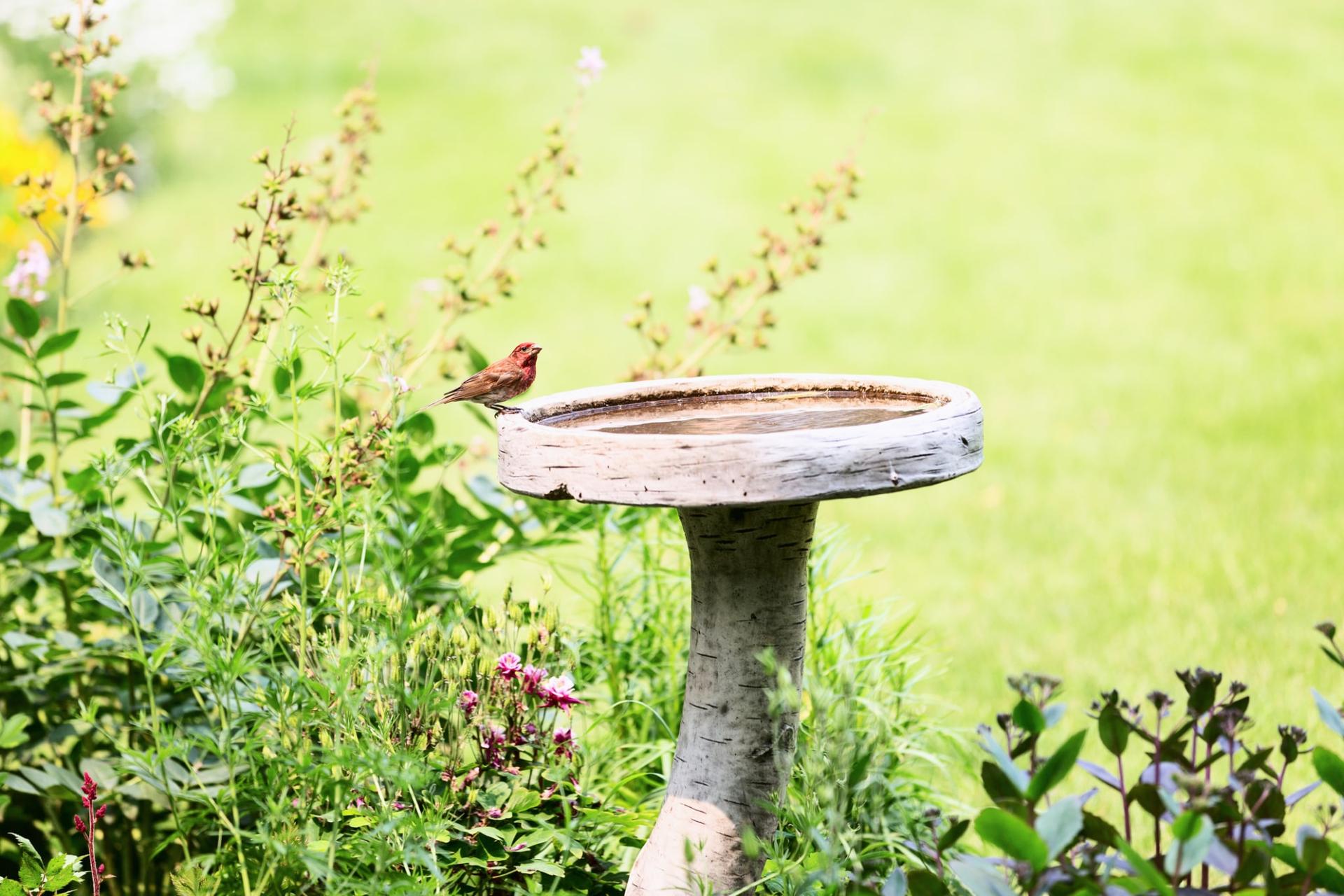
Birds need water just like we do. Adding birdbaths or small ponds in your garden not only quenches their thirst but also lets them bathe, which is essential for keeping their feathers in top shape. Remember to clean and refresh the water regularly to prevent illness. The perfect birdbath is shallow, flat, and not too large, so even small birds can easily reach the water.
Creating a Bird-Friendly Garden
Building a truly bird-friendly garden goes beyond these tips. Recreating a natural habitat where birds feel at home is key. Avoid pesticides and harsh chemicals that can harm birds and their food sources like insects. Make gradual changes, keeping different bird species’ needs in mind, so your garden becomes a welcoming haven for years to come.
With these simple yet powerful steps, your garden will soon turn into a vibrant oasis for songbirds. It’s a wonderful experience to see the colorful and diverse feathered visitors your space attracts, bringing more life and natural beauty right to your doorstep.