One of the most important skills a child can learn is responsibility. This quality helps them grow into dependable adults who understand the value of their tasks and manage daily duties with confidence.
1. Leading by Example
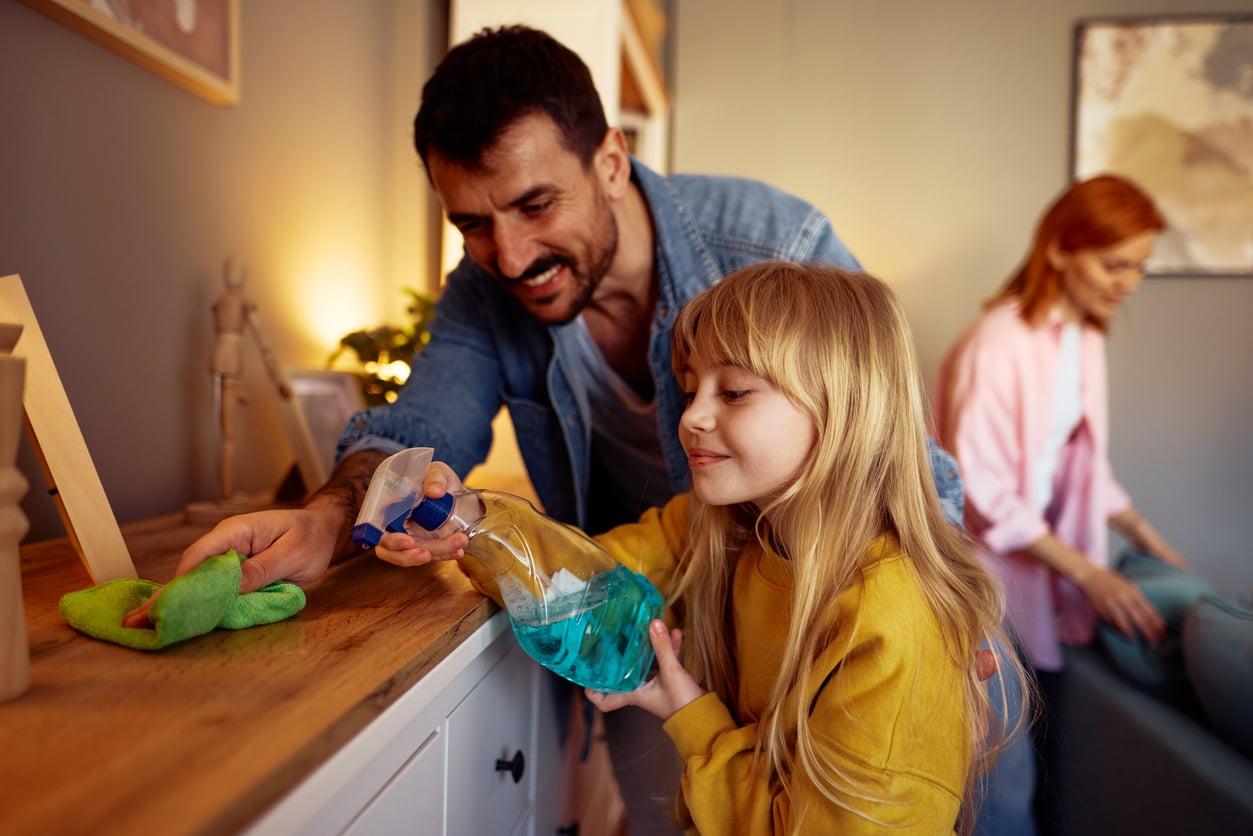
Kids learn a lot by watching their parents. When parents show responsibility in their actions, children are more likely to follow suit. Seeing parents complete tasks conscientiously inspires kids to do the same.
2. Establishing a Consistent Routine
Child psychologist Dr. Laura Markham highlights that routines help kids understand what’s expected of them. A clear daily schedule shows children when it’s time for chores, learning, and play, boosting their independence and sense of responsibility.
3. Positive Reinforcement
While responsibility comes from within, positive feedback is important for kids. Praising your child when they complete tasks on time and with care encourages them to keep up the good work.

4. Setting Realistic Expectations
It’s important for parents to set achievable goals for their children. Psychologist Dr. Kenneth Barish points out that unrealistic expectations can harm a child’s self-esteem and motivation. Tailoring tasks to your child’s age and abilities helps them succeed.
5. Encouraging Independence
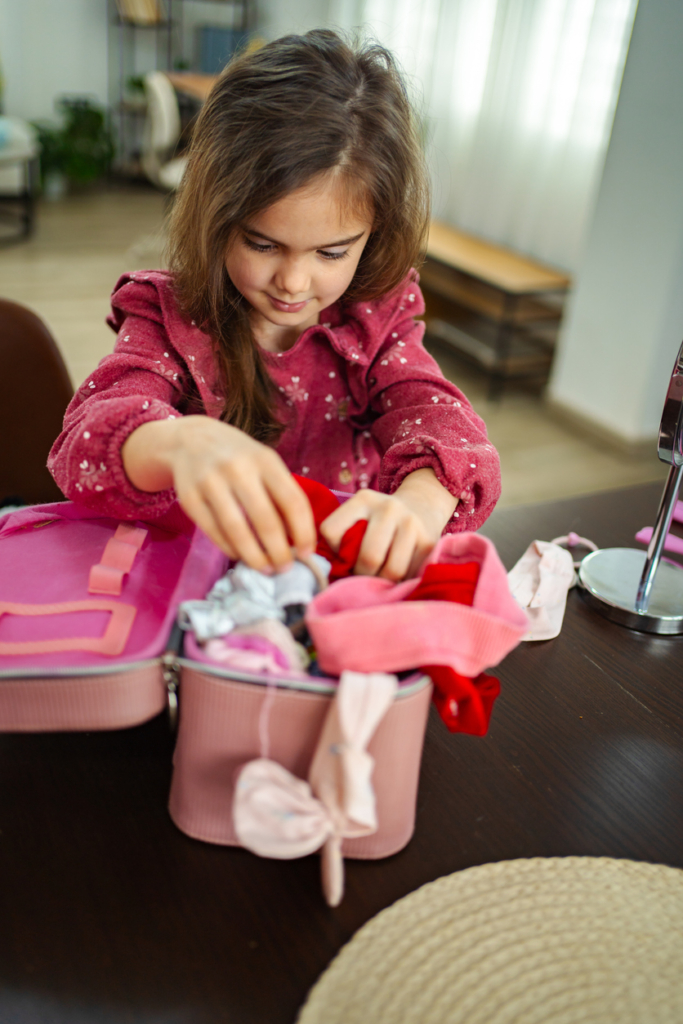
Giving children opportunities to complete tasks on their own is key to building responsibility. This strengthens their problem-solving skills and boosts confidence.
6. Providing Regular Feedback
Consistent, direct feedback helps children understand how they’re doing and what they can improve. This motivates them to keep growing and putting in effort.
7. Creating a Stress-Free Environment
A calm home environment is essential for helping kids focus and complete their tasks effectively. Without pressure, children can concentrate better and approach challenges with creativity.