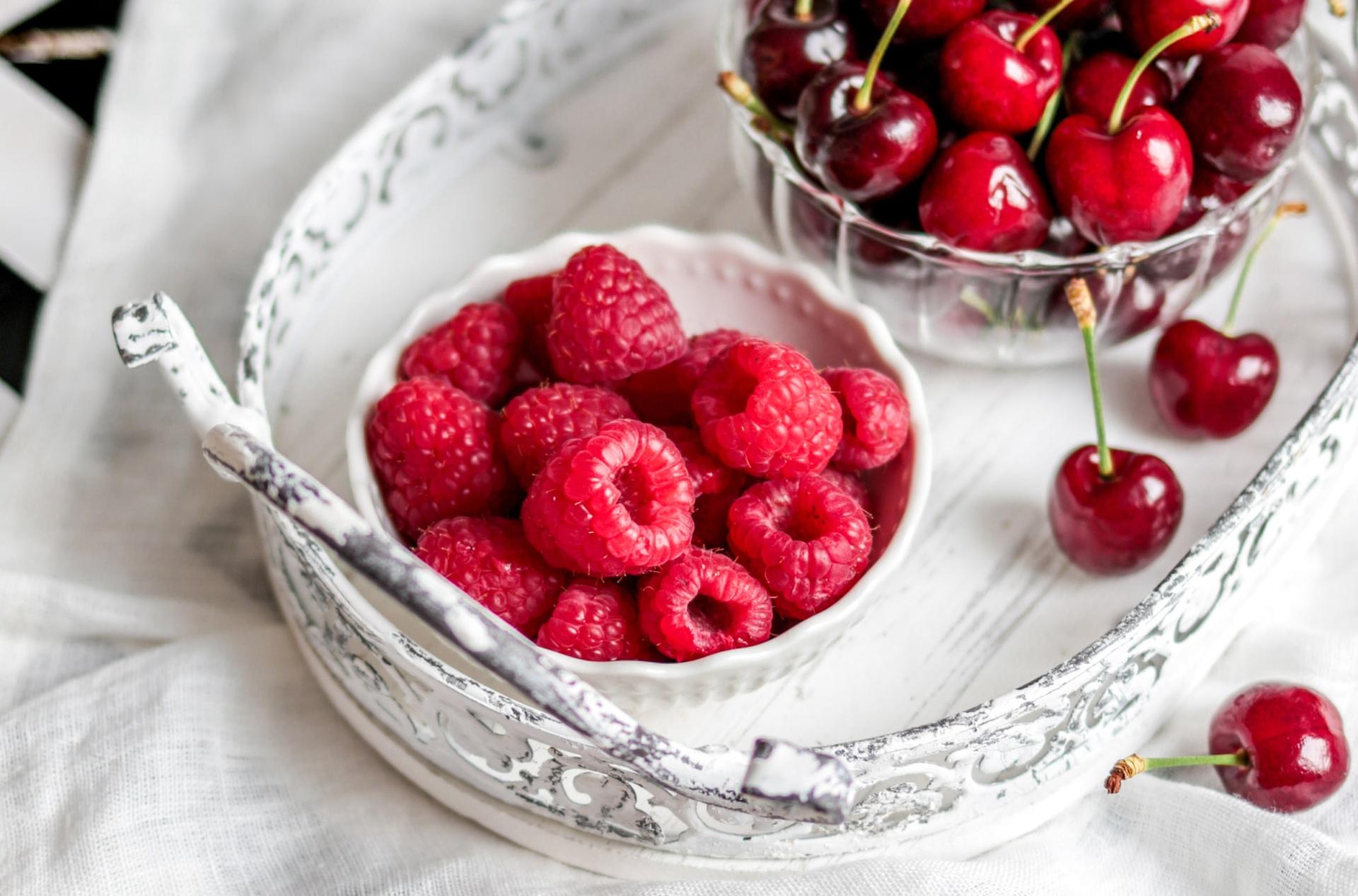
There's nothing quite like biting into a perfectly ripe raspberry or a sweet, juicy cherry at the height of summer. But these fruits are notoriously short-lived — and if you've ever opened the fridge to find a punnet of mouldy berries, you know how quickly things can go wrong. The good news? With a few simple storage tricks, you can make them last significantly longer.
Why raspberries and cherries spoil so fast
Both fruits have a high water content, which makes them naturally prone to mould. Raspberries are especially vulnerable — their thin, delicate skin offers almost no barrier against moisture and bacteria. Even a single damaged berry in the batch can trigger a chain reaction that ruins the rest within hours.
Cherries are slightly more resilient, but they're still sensitive to heat and excess moisture. Left at room temperature on a warm day, they can go from perfect to past their best surprisingly quickly.
The right way to store them
Before storing either fruit, sort through them carefully. Remove any bruised, split, or overripe pieces immediately — one bad berry really can spoil the whole bunch.
For raspberries, rinse them gently under cold water, then lay them out on a clean paper towel and let them dry completely before refrigerating. Any residual moisture is the enemy here — it's what triggers mould. Store them in a container that allows a little airflow rather than sealing them airtight.
With cherries, the approach is slightly different. Don't wash them until just before you eat them — moisture shortens their shelf life in the fridge. Keep the stems on, too, as this helps them stay fresh for longer. Stored this way in the refrigerator, cherries can last up to a week.
Making the most of your fridge and freezer
In the fridge, raspberries will stay fresh for two to three days at most. If you want to extend that, freezing is your best option. Spread the berries out in a single layer on a baking tray and freeze them until solid, then transfer them to a sealed freezer bag. This prevents them from clumping together and makes it easy to grab just what you need.
The same method works beautifully for cherries. Freeze them with their stems on if possible — it helps preserve their flavour. Keep in mind that the texture will soften slightly after freezing, making them better suited for smoothies, baking, or sauces than eating fresh. But the taste of summer? That stays.
Alternative preservation methods
No freezer space? No problem. Drying is a wonderful way to preserve both fruits. You'll lose the juiciness, but what you get in return is an intensely flavoured, long-lasting ingredient that's perfect for baking, trail mixes, or snacking.
Preserving and jam-making is another excellent option — especially for cherries and raspberries. A little sugar, some sterilised jars, and you've got homemade jams, syrups, or compotes that capture the flavour of summer and keep it going well into the colder months.
Tips for buying the best fruit in the first place
Good storage starts at the shop. Always buy seasonal, locally grown fruit when you can — it's fresher, tastier, and hasn't spent days in transit. Look for raspberries that are plump and deeply coloured with no signs of leaking or mould. For cherries, go for firm, shiny fruit with a rich colour and the stems still attached.
Avoid pre-packaged fruit where several berries are already soft or damaged — no matter how well you store the rest, the clock is already ticking.
Raspberries and cherries are two of summer's greatest pleasures. With the right storage habits, you can enjoy their full flavour and nutritional value for much longer — whether that's a few extra days in the fridge or a taste of July on a grey December morning.