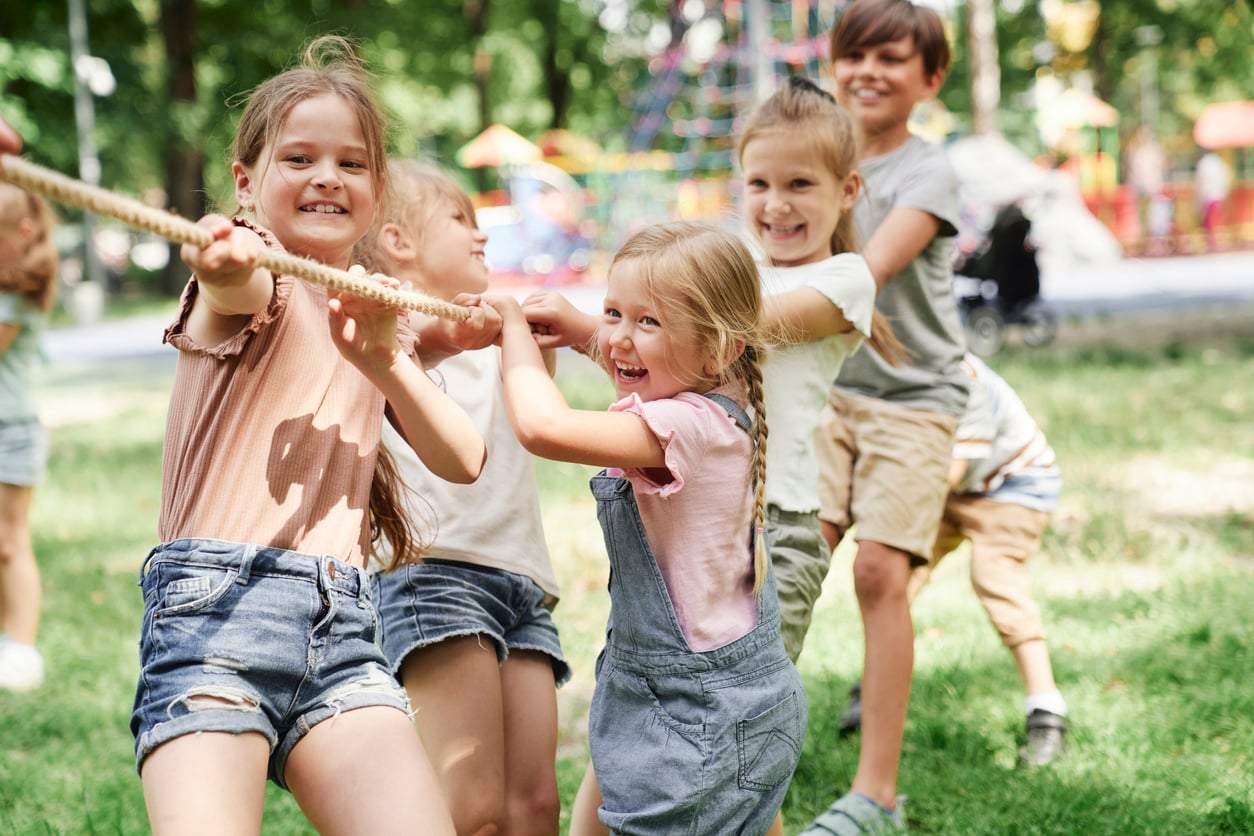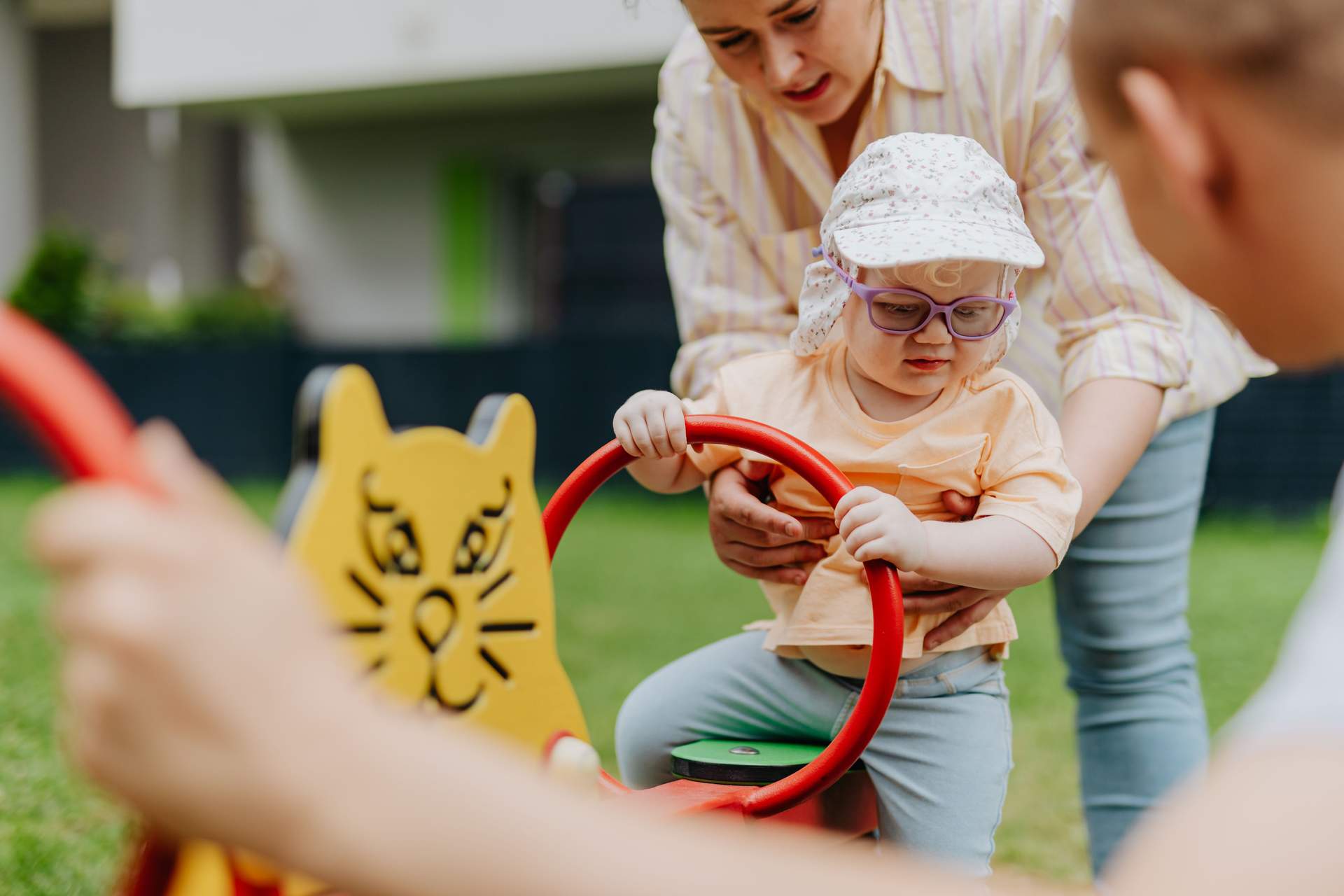
One of the best gifts of this summer was having time for my daughter almost every day. When she wasn’t at camp or with grandparents, we hung out together: sitting at playgrounds, going to the beach, exploring the city.
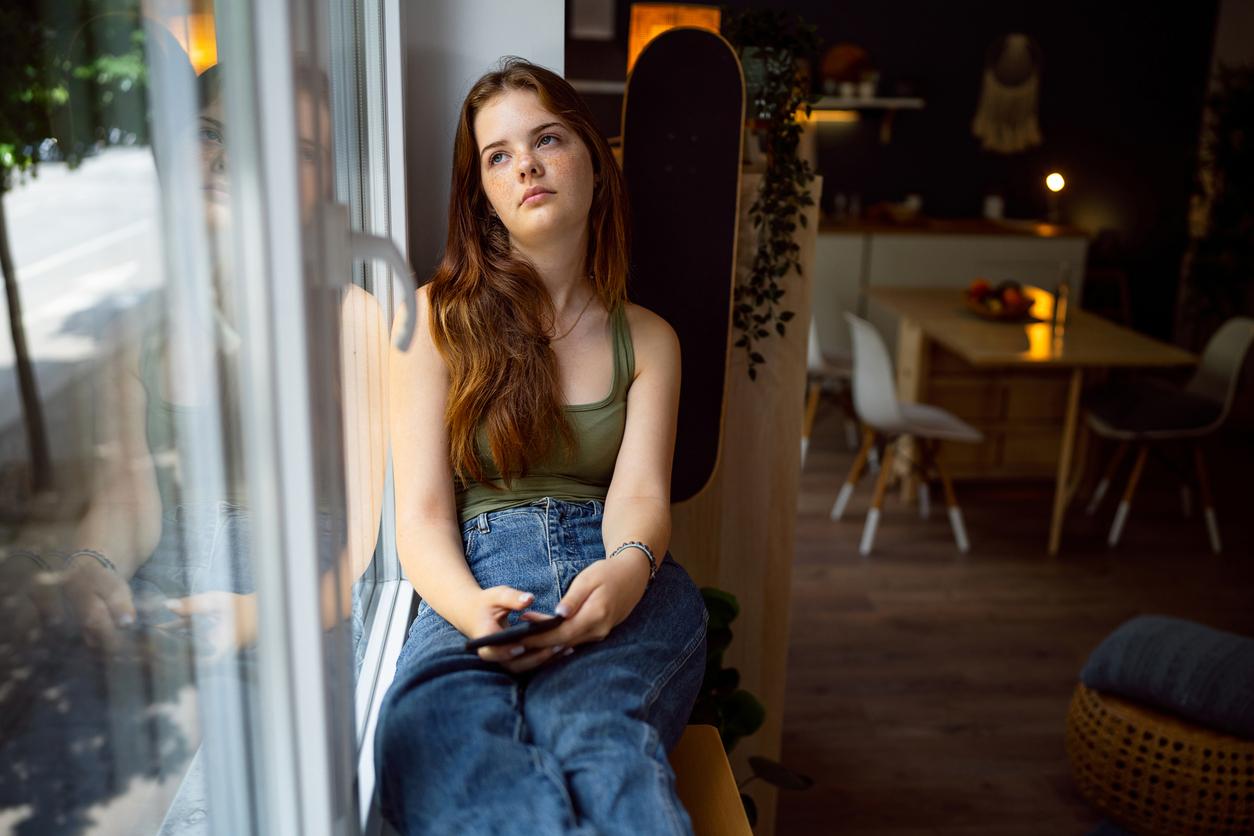
Still, despite all the activities, I often felt like she carried a sense of emptiness even in the middle of abundance. She’s kind and flexible, yet strong-willed and determined—qualities that will serve her well as an adult. But right now, as a pre-teen, it’s often hard to connect with her.
She doesn’t get everything she wants and understands why we can’t have another pet. Yet sometimes she manages to get a cookie and a soda at the café, only to rush on to the next thing after a couple of bites. It’s like the joy she craves lasts only as long as she’s getting it.
From Present to Future
When I was a kid, a day at the beach was pure magic. We never worried about missing out—there was Lake Balaton, what else could we want?
Now, I see that members of Generation Alpha find it harder to rest in the moment. It’s like the joy of the present is overshadowed by the next event: one more sight, one more experience, one more "better" version of something…
This summer, I realized that as a parent, one of my most important jobs is to teach my daughter—and remind myself—how to be present. How to enjoy what’s happening right here and now instead of chasing the next opportunity.
Instead of "You Can’t Appreciate Anything"
I try to avoid the phrases I heard as a child or might pass on in a similar way. I want to show her that experiences matter more than things. Luckily, this works pretty well. Studies show that in the experience vs. possession debate, experiences leave a longer-lasting mark on our satisfaction.
Psychological research has shown for years that what we live through becomes part of our identity, while we more easily get used to objects. I’m not here to claim I have all the answers (if you do, please share!) or to demonize gadgets and toys. Rather, I want this to be a reminder for all of us: it’s not more stuff, but meaningful experiences that truly count.
My biggest challenge is how to talk about the present and gratitude without making her feel guilty. How to explain that what she takes for granted at 9 was still a rare gift for me at 18? And mostly, how to avoid telling the kind of moral stories that made my hair stand on end as a teen?
I Found the Answer in Travel
I don’t want to lecture my daughter about the world—I want to open a window so she can find her own perspective. To notice what’s happening around her. When we travel, I let her ask questions and share my own stories of setbacks and experiences, from childhood to today. I believe gratitude and presence can’t be taught with speeches—only by example.
It’s interesting to see that this generation has everything for a better life, yet often they’re waiting for something extra. Maybe because they’ve never known what it’s like to have less. But I don’t want to judge. Today, I recall my grandmother’s stories about Russian soldiers sleeping in the first room of their house with very different eyes. As a child, it just seemed "interesting," but now I feel the fear, vulnerability, and injustice behind it.
I could be grateful that I don’t have to host someone in my own home who wouldn’t belong in my country—but I don’t say thanks for that because it’s natural that only my loved ones live with me. I’m sure Generation Alpha feels the same…
Maybe it’s not the many activities or opportunities that are the problem, but that we haven’t taught our kids how to enjoy them. It’s not quantity but presence that’s missing. Kids don’t necessarily want more—they want something different: space, a voice, and a pace where they can discover their own joy.