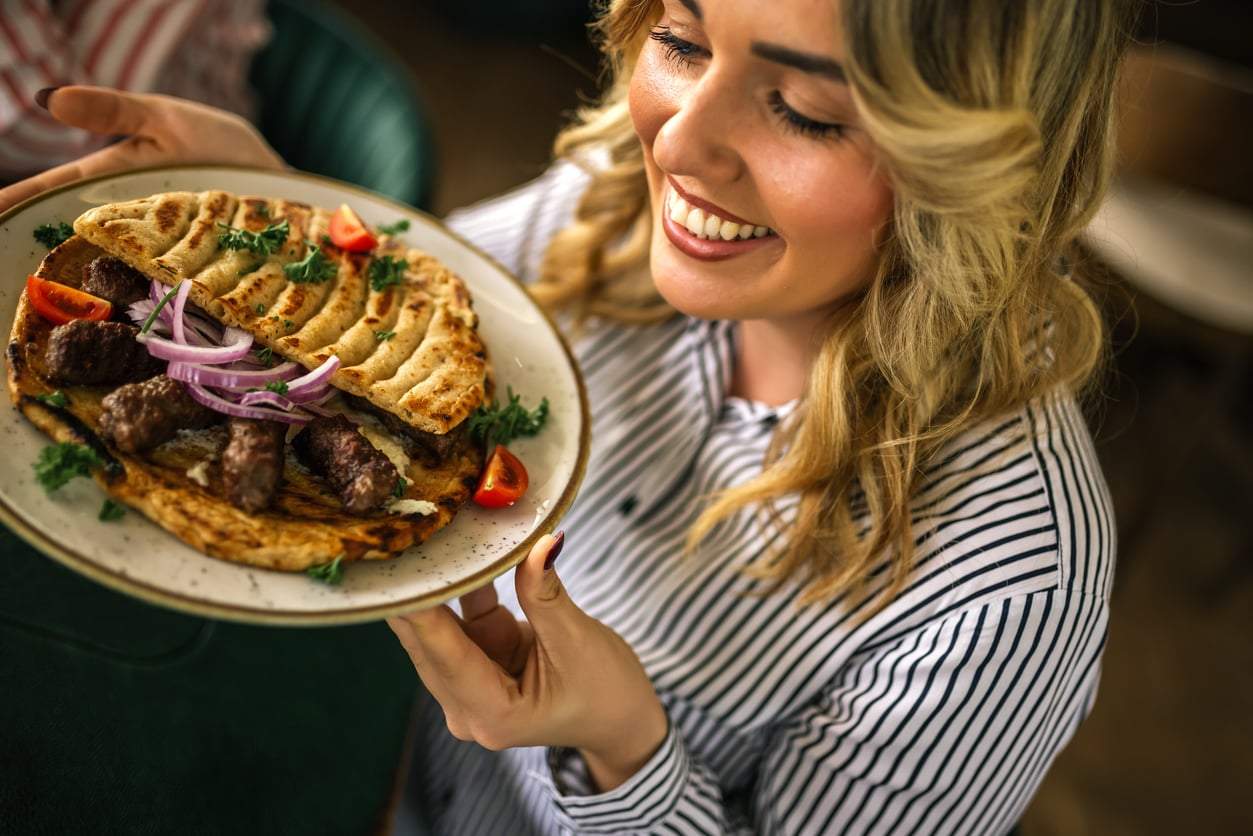
I always admired moms whose kids are "good eaters." Those whose little ones eagerly spoon up meaty pasta and crunch steamed broccoli with the same enthusiasm. There’s something deeply instinctual about the joy of feeding our kids and watching them happily clear their plates.
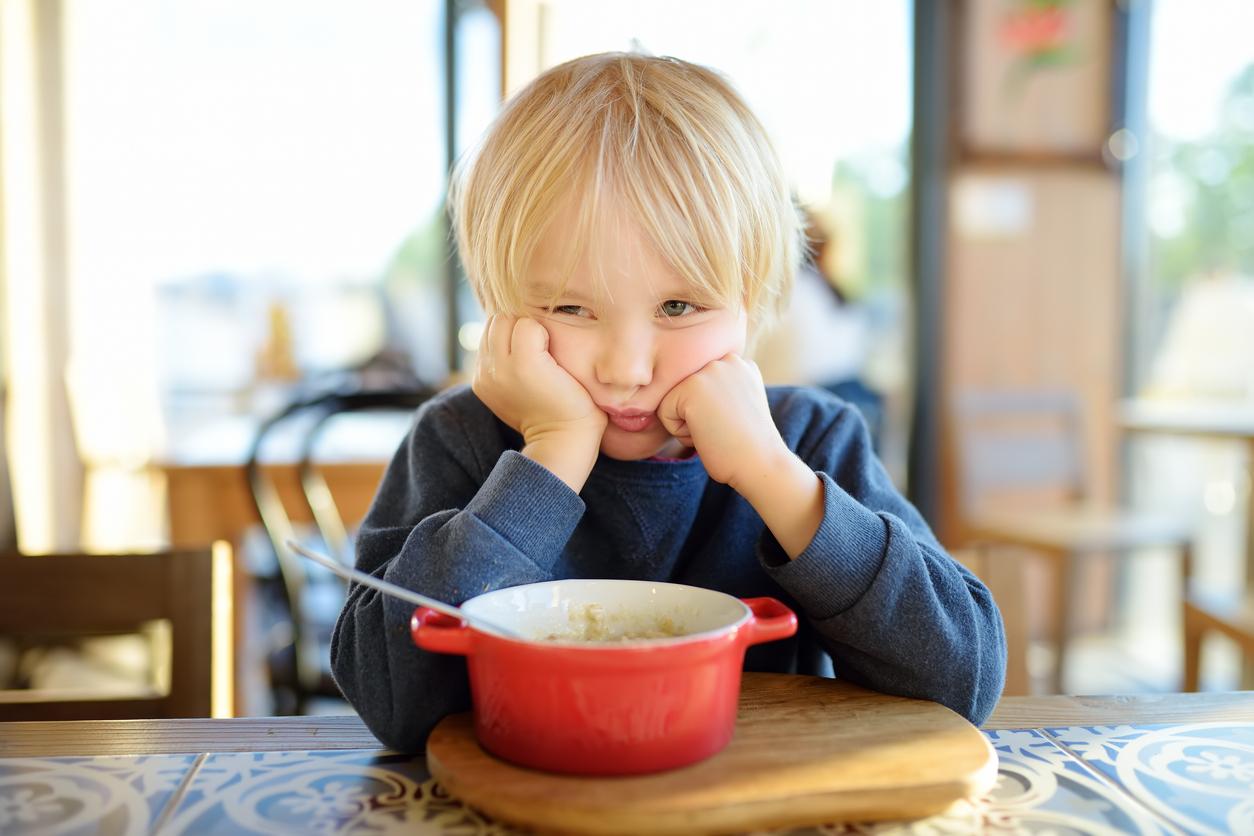
But for us, mealtime has never been that simple: my daughter is very picky, and over time, we realized it goes beyond typical fussiness. The autism diagnosis clarified that what we’re dealing with is selective eating rather than just being choosy.
It might seem like a small thing at first, but it makes a huge difference day to day. It’s not just "she doesn’t like spinach," but certain foods are simply impossible for her to eat—whether it’s their texture, smell, or color. As a mom, that’s often frustrating because I want to ensure a balanced diet, but I don’t want mealtime to become a stressful battleground. So, I try to ease the pressure around eating—even if that sometimes puts me in tough spots.
Why I Don’t Force Anything
I’ve never forced my daughter to eat what’s on her plate. Honestly, I worry a lot about whether she’s getting enough variety and nutrients. But I feel that pushing my fears onto her would only make things worse: it could create a negative relationship with food that’s far more harmful long-term than occasionally eating fewer veggies than ideal.
Often I think: if someone put a big plate of swamp soup in front of me and said it’s healthy and I have to eat it, I wouldn’t be able to. I understand that what she calls "swamp soup" might actually be broccoli cream soup or a vegetable casserole, but if her nervous system reacts to it like mine would to that imaginary swamp soup, why would I expect her to force it down? I wouldn’t want to put my child through that.
And while I’m at it, I feel the same way about the "She’ll eat when she’s hungry!" approach. Sure, if I were stranded on a deserted island, I’d probably end up eating my shoe sole eventually—but that would be a deeply traumatic experience. So why would I deliberately put my child in that kind of situation?
Safe Foods and Options
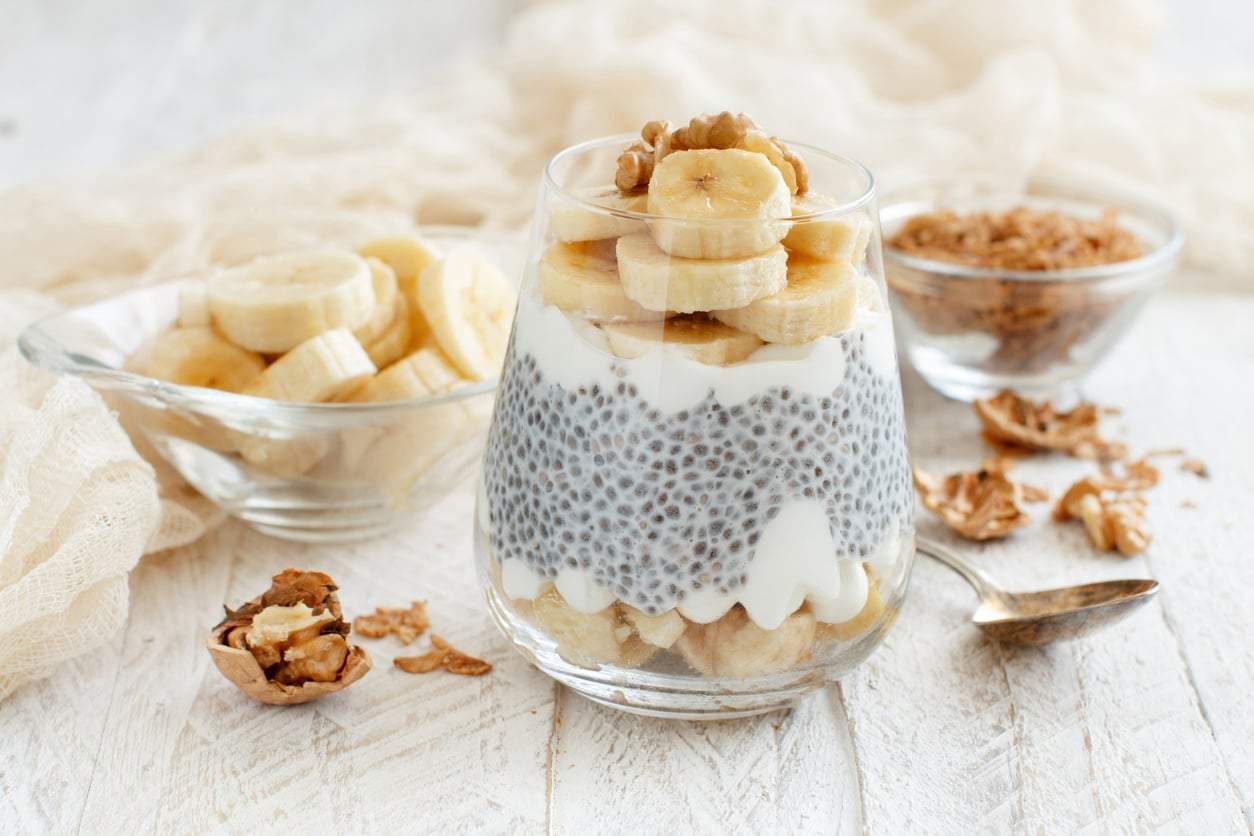
With a selective eater, you eventually learn that no matter what you do, there will always be foods your child won’t eat—and only a few they will. These "safe foods" are the ones they’ll eat every time, no matter what. It might be bananas, buttered rolls, strawberry yogurt, or vanilla ice cream. They’re not always the healthiest or most nutrient-packed choices, but some days, they’re the only way to get anything into your child. And on those days, that’s more than enough.
We always keep a few guaranteed foods at home that my daughter will eat: pasta, certain fruits, cheese, yogurt. These are my anchors, and I build variety around them. I also keep several alternatives on hand: different fruits, whole-grain crackers, and new dairy options.
Our situation is a bit easier because my daughter is open to trying new things—she just often doesn’t like them. That can be disappointing, but it also means we occasionally find new foods that join the "safe" list. These small steps slowly expand her options.
The Relationship with Food Matters Most
For me, the most important thing is that my daughter doesn’t develop a negative relationship with eating. Mealtime can be a source of joy, and I don’t want it to cause her stress. That’s why I approach her with understanding and never criticize her for not eating something. Instead, I offer multiple options and let her choose.
I trust that by adulthood, she’ll be able to create a diet that feels good and provides enough variety to stay healthy. My goal isn’t perfection every day with every nutrient, but a positive, lasting connection with food.