What’s Happening with Men?
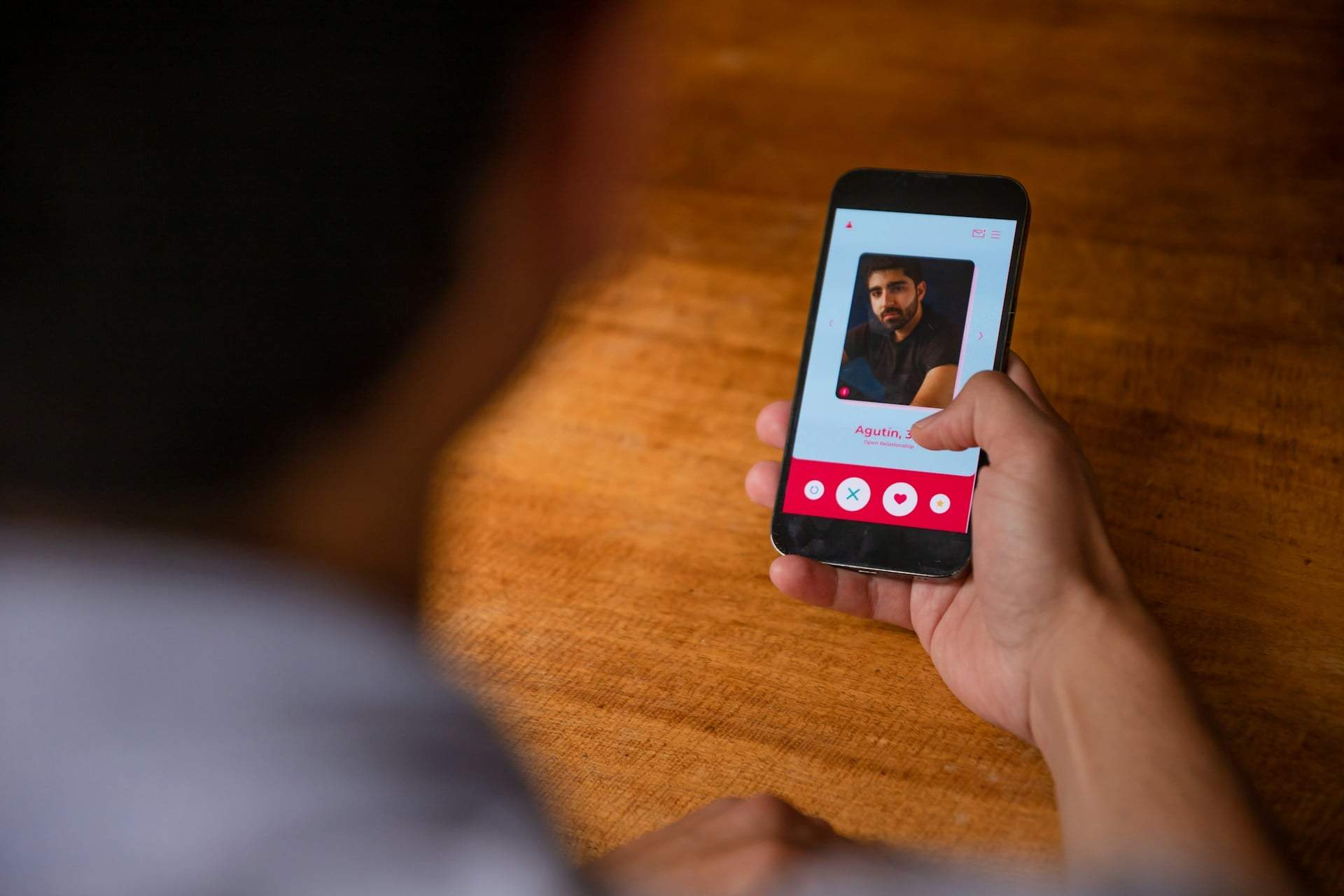
In recent months, unless you’ve been living under a rock (or your algorithm works very differently from mine), you’ve probably come across the term "male loneliness epidemic."
This isn’t just internet hype: studies show many men have fewer close friends, struggle to form intimate or emotional bonds, and often feel left out of social conversations.
The traditional role of men — the "breadwinner," "head of the family," the "emotionally reserved leader" — is shifting. The world is changing, and women are gaining more ground in education, the workforce, and public life. This change is positive in many ways, but some men feel uncertain about their place. Without the tools to navigate this new landscape, it’s easy to look for someone to blame or a target for frustration — and unfortunately, women often become that target.
The “Incel” Phenomenon and Online Misogyny
"Incel" stands for "involuntary celibate." It refers to men who can’t form sexual or romantic relationships and blame others — especially women — for it. While not all lonely men are incels, this online subculture increasingly features misogyny, violent fantasies, and a longing for patriarchal control.
Alongside this, influencers, "men’s advocates," and ideologues have emerged, claiming women have become too independent and that society should return to a "traditional order" where men lead and women submit.
But clearly, that’s not the answer.
Women’s Rights Are Not Negotiable
Women’s equality isn’t about taking power away from anyone — it’s about every person’s right to autonomy, dignity, and opportunity. Women haven’t "taken" anything from men. Rights aren’t given at others’ expense — they’re earned, claimed, and defended.
It’s true that change can be challenging for some men, and they might need support to find their footing in this new world. But it’s not women’s job to fix men’s crisis. Women don’t need to be "easier," "more humble," or fade into the background just to make men feel better. Women are here as full, independent human beings — not as "extras" or "rewards."
Questioning women’s rights or hiding behind "traditional values" won’t solve loneliness, isolation, or feeling lost. These are deep social wounds that call for empathy, education, and shared responsibility — not blame games.
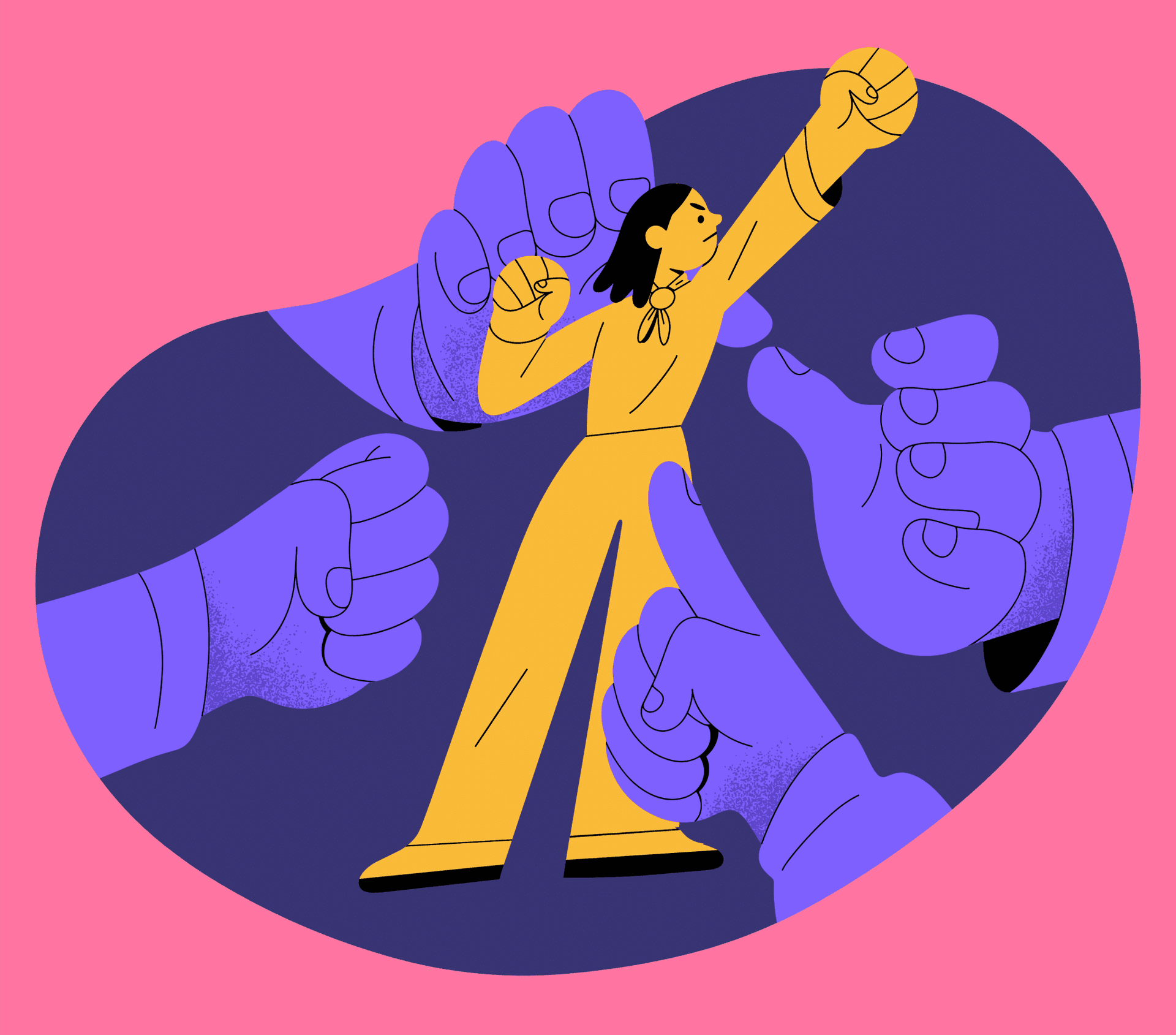
I understand many men are having a hard time. Women aren’t having it easy either — our hard-won rights are still incomplete and, as we see, fragile. But we won’t move backward. We can’t. We won’t shrink ourselves so others can get comfortable. We’re moving forward. And if someone can’t keep up, they shouldn’t be surprised if they end up truly alone.