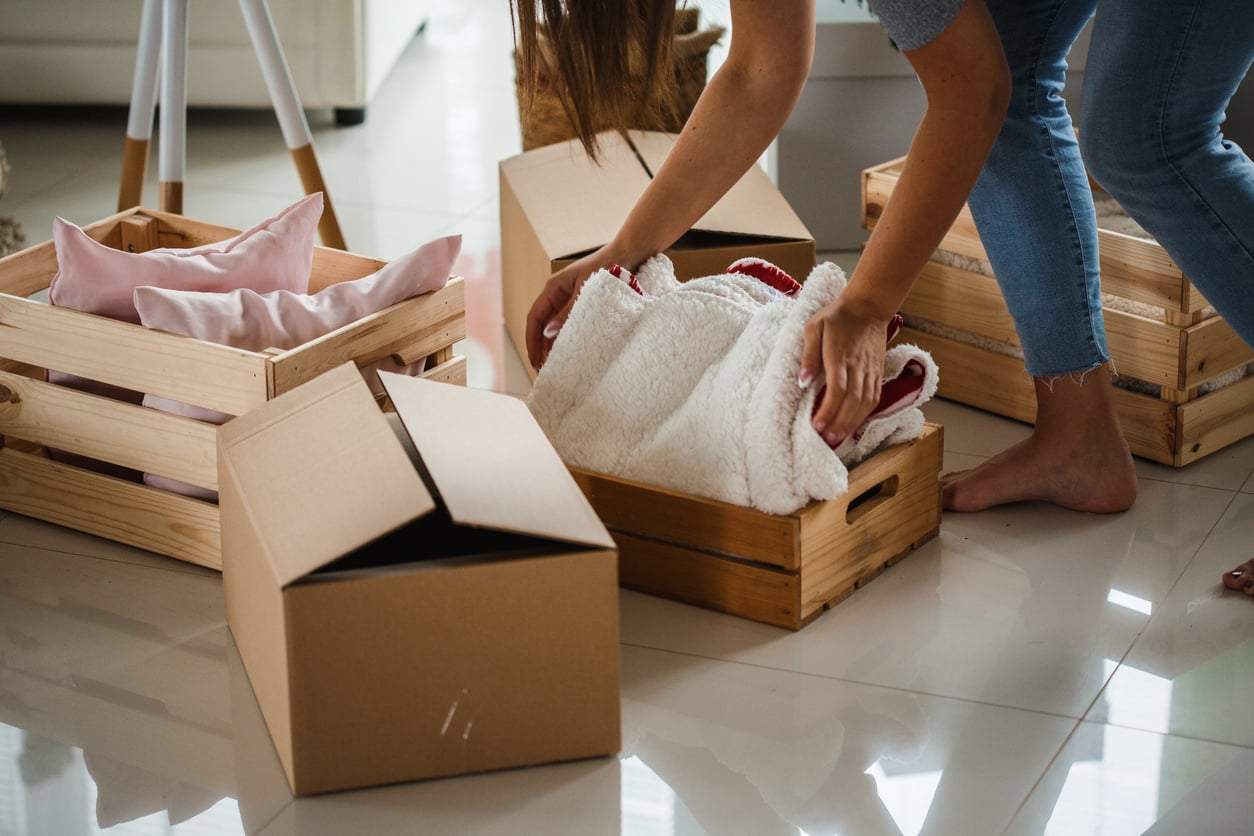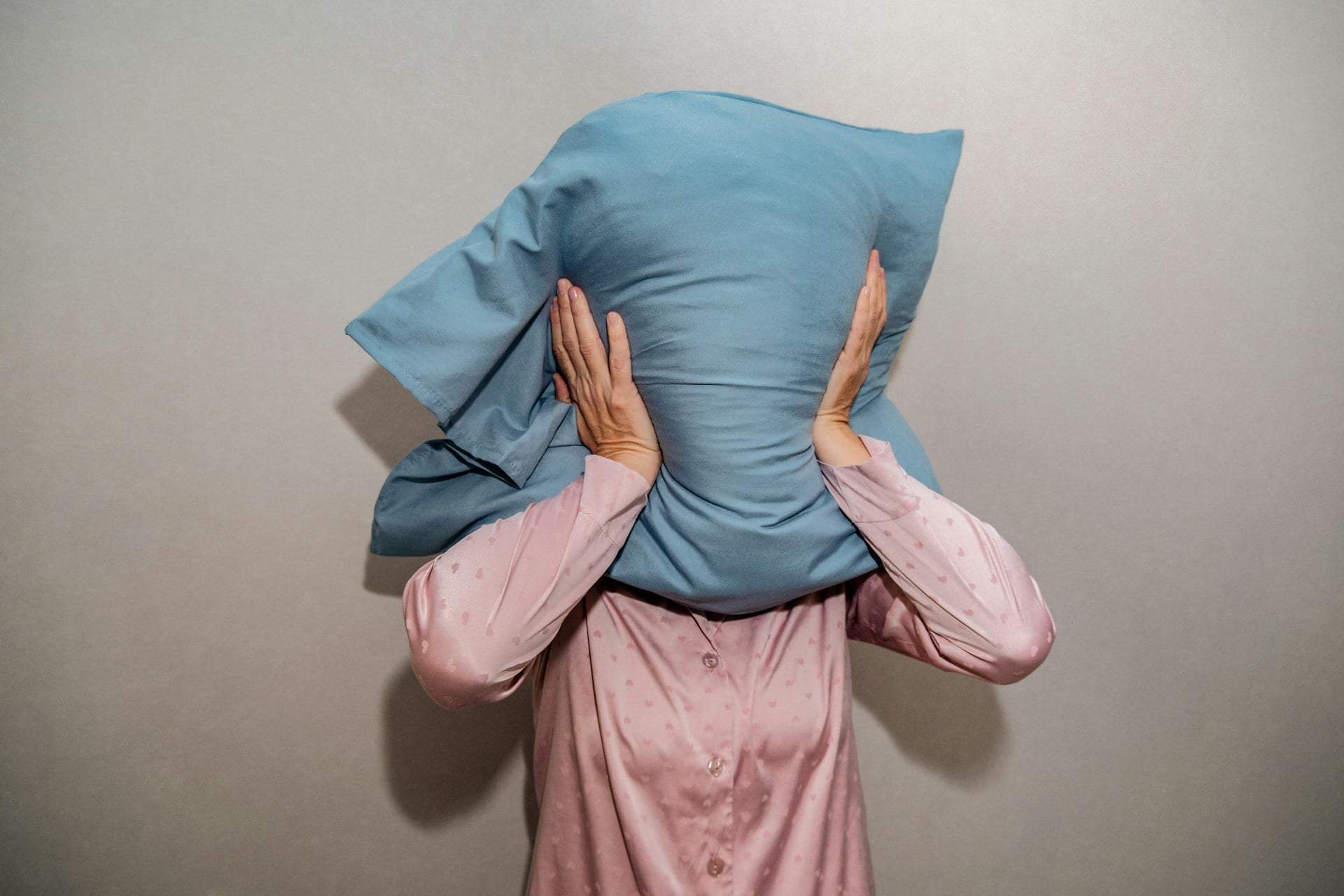
I’ve promised myself a hundred times to finally get organized. To let go of things I haven’t used in ages that just take up space. But when I actually picked them up, the same thing always happened: I just couldn’t throw them away. They went back on the shelf. Into the box. Deep in the closet. So tidying turned back into procrastination, and my space felt tighter and more cluttered. Not just outside, but inside too.
It took me a long time to understand why I’m so attached to these things. Why it’s so hard to let go even when I know I don’t need them. But once I figured that out, something shifted. It got easier—not just the tidying, but the whole process. If you’re curious about what really lies behind our attachment to stuff, keep reading.
For a long time, I thought I was just messy. That I lacked willpower or consistency. That others could toss things out more easily, while I overthink every item.
It wasn’t until later that I realized this isn’t about laziness or weakness. It’s about attachment.
When We Assign Meaning to Our Things
When I touched an item, my first thought wasn’t whether I still needed it. It was about what it meant. A chapter, a moment, a feeling. Some belonged to an old version of me—times when I was different, wanted different things, believed in myself differently. Throwing it away wouldn’t just be discarding stuff; it would be admitting that time is gone. And that’s not always easy to accept.
I also realized many things didn’t hold memories—they held security. The feeling that if everything fell apart, there’d still be something to hold on to. Like these things promised: you won’t lose everything all at once. Even if I hadn’t used them in years. I held onto a “just in case.” Just in case it might still be useful. Just in case I’d need it again someday. Just in case I’d regret letting it go.
Looking back, that “just in case” wasn’t really about the things. It was about uncertainty. About how hard it was to believe there’d still be enough—enough chances, enough money, enough fresh starts.

The biggest realization wasn’t this, though—it was that the chaos wasn’t in my room, but inside me. The things were just reflecting what I didn’t want or dare to sort out inside. Postponed decisions. Unspoken endings. Unmourned chapters.
Once I understood this, tidying became completely different. It wasn’t a battle or a chore. Not about “being tough on myself now.” Instead, I started asking:
Why am I holding onto this? What does it connect me to? What am I afraid of losing if I let it go?
And interestingly, as answers came, decisions got easier. I didn’t have to throw everything away. But I stopped clinging so tightly. Some things I let go. Some I kept—this time consciously. Space began to open up. Not overnight, but gradually. And with it, space opened inside me too—for thoughts and calm. The feeling that I’m not held together by my past stuff, but by myself.
Now I know that order doesn’t come from having fewer things. It comes from seeing clearly why you’re attached to what. And when you get that, letting go isn’t loss—it’s relief.
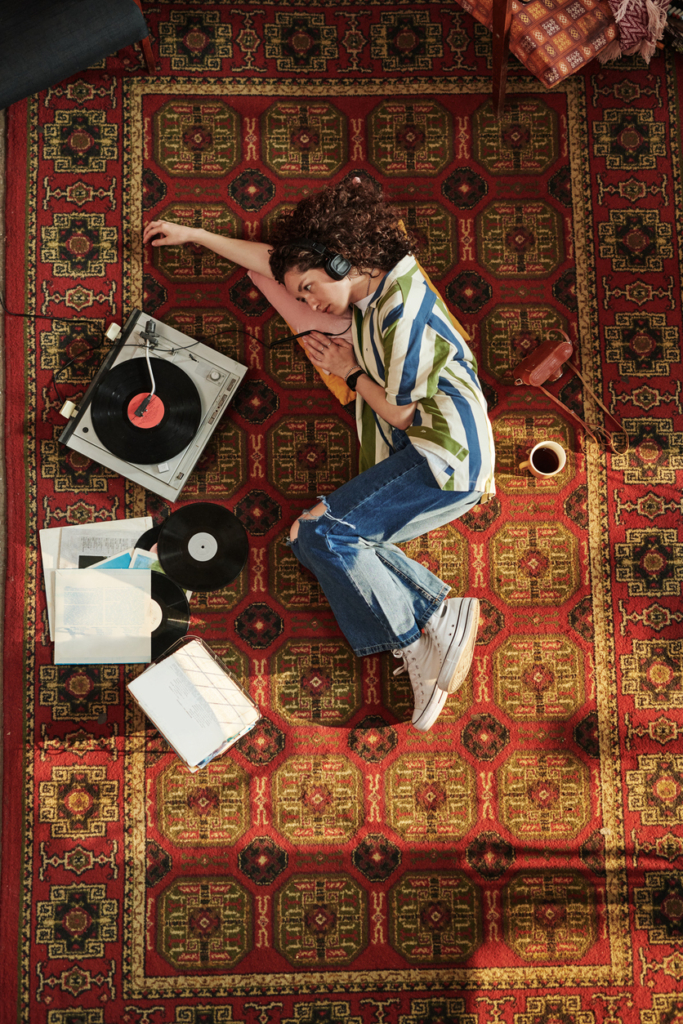
If you’re reading this now, maybe a drawer, a shelf, or a box just came to mind. You don’t have to start tidying right away. No need to make decisions. Just next time you pick up something you haven’t used in a while, pause for a moment. Don’t ask if you still need it—ask what keeping it gives you. Security? Memory? Procrastination? A lifeline to an old version of yourself?
If you don’t have an answer yet, that’s okay too. You don’t have to figure it all out in a day.
Letting go isn’t a decision—it’s a process.
Sometimes the first step is just noticing that it’s not the thing that’s heavy, but what you connect to it.
When the moment comes to put it down, toss it, or pass it on, your hands might not feel lighter first. It might be your chest. Your head. Your thoughts. Because it’s not about tidying up. It’s about making space. Outside and finally inside too.