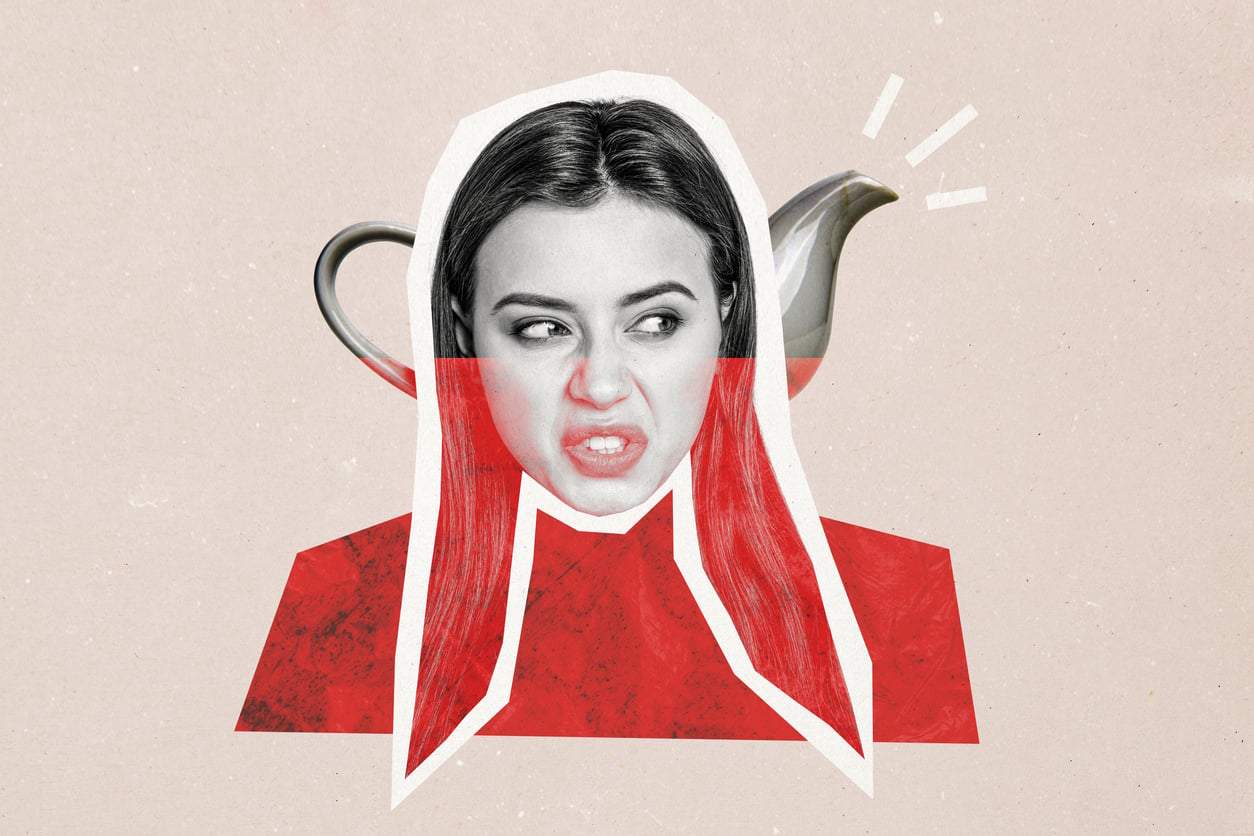
“I’ll rest once I get through this.” Sound familiar? It sure does to me. But somehow, rest always got postponed… or skipped altogether.
For years, I thought that constant hustle, giving 110%, and pushing limits was the path to growth. I was always learning, working, planning, and preparing, feeling that this was how I’d become someone. This was how I’d move forward. This was how I’d get where I wanted to be.
I never took my work lightly. It mattered deeply to me—and still does—to do what I was entrusted with carefully, precisely, and reliably. But in the process, I didn’t notice something else running out: myself.
For a long time, “strength” meant just holding on
So many times, I had this inner mantra: “I just have to hold on a little longer, grit my teeth a bit more, I can’t stop yet — I’ll rest afterward.”
But that “afterward” often never came. Or if it did, I’d get sick right at the start of my time off. I experienced this more than once. At first, I thought it was coincidence, but over time I became sure my body was simply waiting until I finally allowed it to slow down. Not by choice, but because I had no other option.
Now I know rest is absolutely essential
I used to think sacrificing sleep, free time, and weekends for work and growth would pay off in the long run. But it didn’t quite work that way. Instead of the return I expected, it backfired. I learned that overload doesn’t make me more effective — it just leaves me exhausted.
Now, I plan my time differently. Yes, work is still important to me. Yes, I love growing. I strive to stay precise and conscientious. But I’ve learned to listen to myself. To know my limits. To recognize when to say no, and most importantly: when it’s time to stop.

You don’t always have to "earn" your rest
I think many of us feel we can only rest after achieving something big. As if rest were a reward, not a natural, basic need. But if you think about it, ideally we charge our phones before they die. So why wait until we completely burn out?
The biggest lesson for me is that balance isn’t some spiritual luxury — it’s a survival strategy. If we want to feel good long-term—physically, mentally, professionally—we have to make room for recovery. And that doesn’t always mean days or weeks off: often, just 10 minutes a day is enough. A pause. A walk. A deep breath.
It’s not weakness to take care of yourself
For a long time, I thought strength meant always pushing through. Now I believe strength sometimes means stopping in time. Saying no. Managing my energy and not trying to solve everything at once.
Of course, I’m not perfect at this. Sometimes I still overcommit and realize too late I’m too tired. But I’m more mindful now. I recognize the signs—and, importantly, I take them seriously.
If you’re going through something similar, you’re not alone
I feel it’s important to share this because I often see I’m not alone in feeling this way. Many of us push ourselves hard for performance, approval, and growth, while slowly losing touch with who we really are.
If you’ve been feeling more tired than usual lately, if you find yourself thinking “I just have to hold on a little longer,” my advice is to listen to your body’s signals. When it tells you to stop, don’t say no. Instead, plan small, intentional breaks and activities that truly help you unwind—before burnout starts creeping in.