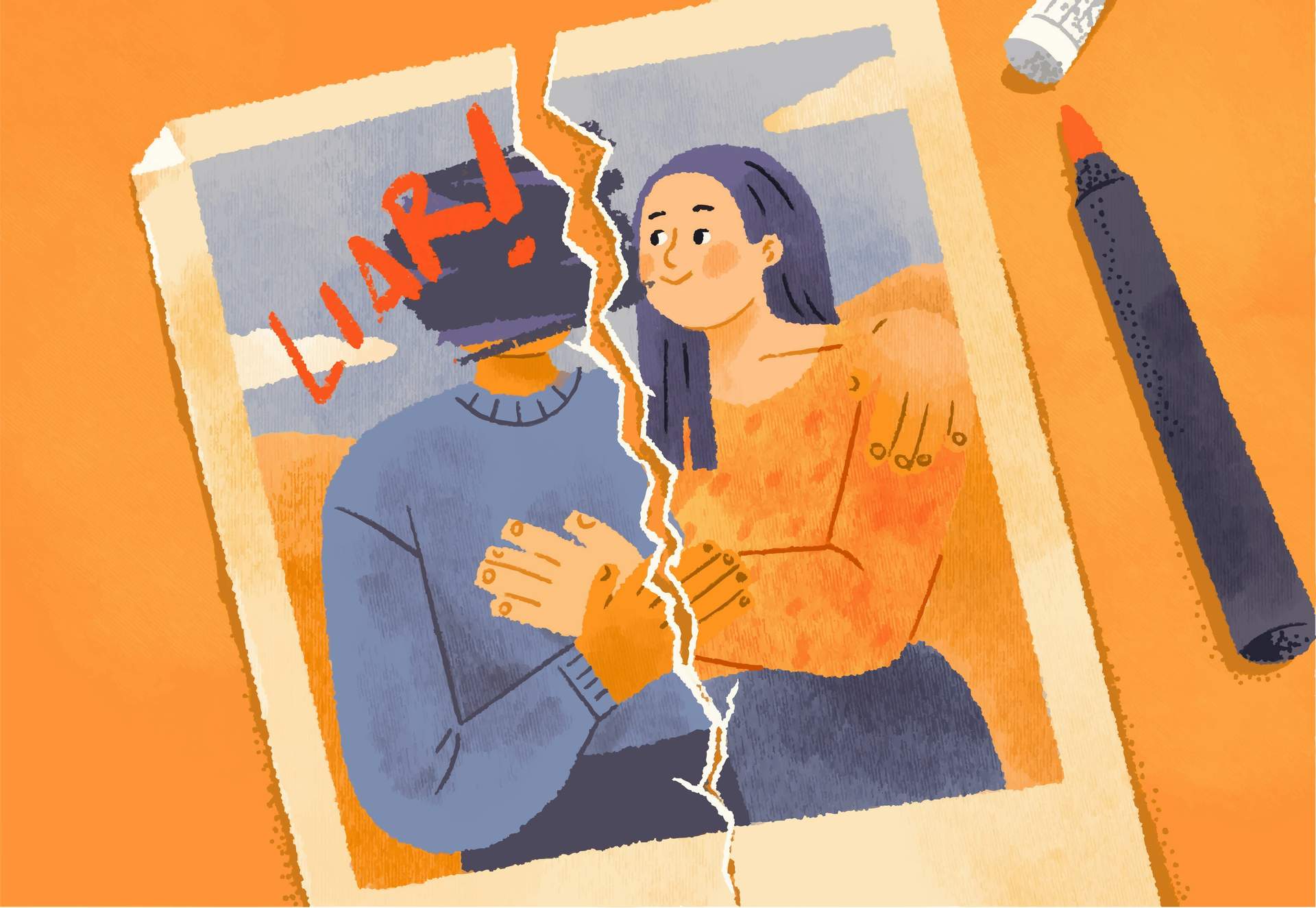
On my journey of self-discovery, doors started opening one after another, yet behind many locks, I kept seeing the same childhood trauma. No matter how hard I tried to "function well" as an adult, these heavy memories kept showing up—in my relationships, my work, and how I related to myself.
If you often feel like an outsider, useless, or guilty when you ask for something, it might be that you internalized as a child: "I’m a burden to others." Here are 10 signs to help you recognize this pattern:
1. You Always Try to Please Others
You’re hyper-aware of what others need and quickly adjust to meet those needs. You work hard to create a good vibe and ease tensions but often forget about yourself. This isn’t about kindness—it’s about fearing that if you’re not useful, you’re not lovable. This likely stems from feeling as a child that "you’re only valuable if you don’t cause trouble."
2. You Had to Be “Someone” to Be Good Enough
Maybe not obvious, but inside you often think: "I’m not good enough. I’m not lovable." This self-image often comes from not receiving unconditional acceptance and care as a child. You had to be “someone” to be worthy of love, and love was always conditional. As an adult, this shows up as constant self-doubt.

3. You Feel Insecure in Your Relationships
Do you worry you’re too much or too little for your partner? Do you fear they’ll leave for someone else? Are you waiting for the moment they realize you don’t deserve them? Maybe you’re jealous but afraid to say it, or you keep choosing partners who dominate or control you. This insecurity often comes from childhood neglect or emotional instability—when love wasn’t steady or predictable, so you search for danger signs even in your safest relationships.
4. You Feel Worthless Without Validation
Without positive feedback, you quickly doubt yourself. Instead of internal motivation, you rely on external approval—which is never enough. The feeling that "I only matter if I do good" probably formed in childhood, where praise was rare, perfection was expected, or love was tied to performance.

5. You Don’t Ask for Help Because You Don’t Want to Bother Others
You’d rather handle things alone, even if it wears you out or burns you out. Deep down, you feel asking for help only disturbs others—though your loved ones often offer support without being asked, which you usually decline. If you didn’t experience a balanced give-and-take as a child (maybe because help came with conditions or was withheld), you’ve learned as an adult it’s safer not to ask.
6. You’re as Independent as Possible
This "I don’t need anyone" vibe might look strong (even to yourself), but it usually hides a lack of trust. If as a child you felt you couldn’t rely on anyone or that asking for help caused problems, you cling to this survival strategy as an adult: "At least I can only blame myself" or "If I do it, it’ll be how I want." But this approach is exhausting and isolating over time.

7. You Blame Yourself for Everything
If something goes wrong, you immediately look for fault in yourself—even when circumstances were against you. A half sentence or a facial expression can send you into a spiral of self-criticism, wondering what you did wrong or how you could’ve done better. You react to family or environment events as if you’re responsible for everything—even when you have no connection to the situation. This pattern often comes from being the one who "took the blame" for others’ feelings or mistakes as a child.
8. You Always Feel Like You’re Starting One Step Behind
Whether at work or in relationships, you feel like you’re always a step behind others. Like you have to prove you belong. This drive often comes from once believing you weren’t enough and still trying to make up for it. It’s an extra burden that makes you rank yourself lower than others—something the world can be harsh about.

9. You Don’t Allow Yourself to Rest
Rest or relaxation (if it’s even an option) comes with guilt. You feel you must be useful, or your day has no meaning. "I’m lovable only if I perform, if I give." Sound familiar? If your needs were ignored or rest was a luxury as a child, you likely can’t just relax as an adult—you feel the need to prove yourself constantly. And that’s exhausting.
10. You Can’t Say No
You don’t know where to set your boundaries, so you avoid saying no. You take on extra burdens just to avoid disappointing others. But in doing so, you’re not just protecting others—you’re sacrificing yourself. As a child, resistance or saying no might not have been an option, so as an adult, you tend to give in just to stay out of trouble.
Here’s the good news: this pattern doesn’t have to define your entire adult life. Recognition is the first step, and from here, slowly, with expert support and lots of self-love, you can start rewriting your story.