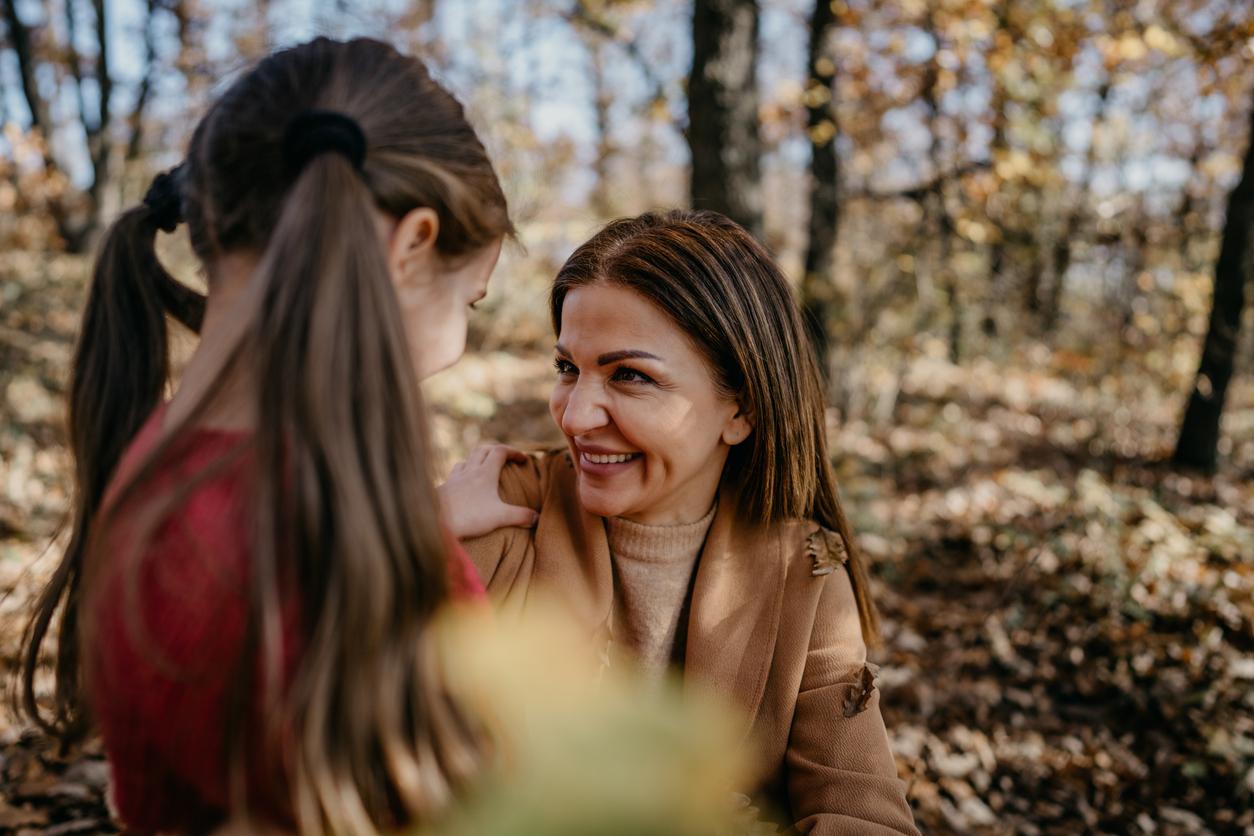
Some phrases might not have been said often as kids, yet they stuck with us. I didn’t always hear them from my parents, but from relatives, teachers, and other adults — and their impact was lasting.
It took years to understand why they said them, and maybe even longer to accept that in certain moments, they were just covering their own helplessness. Now as a parent, I clearly feel how easy it is to slip up in a tired moment, and how many values can fade after a stressful day. Still, there are phrases I never want to pass on. Not because I blame those who said them, but because I believe there’s a kinder, more loving way to set boundaries and teach.
"As long as you live under my roof..."
This phrase probably sounds familiar to most of us. As a child, it always felt like: “I have no say in what happens to me,” that my thoughts and feelings mattered less because, as an adult, the parent has the final word. (By the way, I couldn’t say this now even if I wanted to — my daughter is so quick and confident in responding to such remarks.)
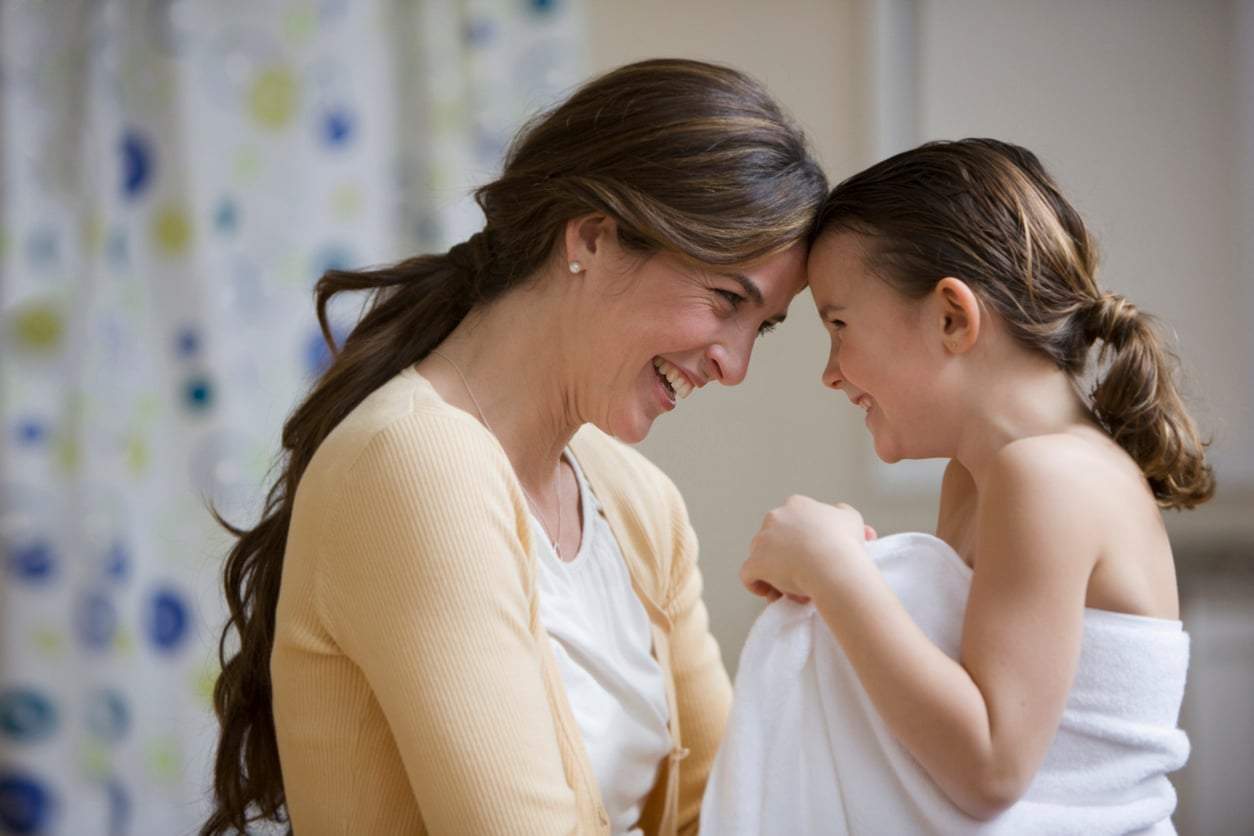
As an adult, I believe family is a community where we support each other. It’s not about hierarchy but cooperation. When I talk with my daughter, I try to highlight that her decisions carry weight too.
I often tell her, “Take care of everything because when we’re gone, it’ll all be yours.” Since she likes looking after her things, this always resonates. So I feel I’m sharing the same value — but from a place of community and love, not power.
"Because I said so, and that’s final."
This is a tough one for me because sometimes I notice that setting parental boundaries is necessary, and I can’t let a question or comment keep challenging my reasons after I’ve explained three times. Sometimes I really need to say: I’m the adult, the more experienced one, and I see this situation more clearly. But if "because I said so" is repeated too often, it builds an invisible wall between parent and child. Power wins, but understanding and communication get lost.
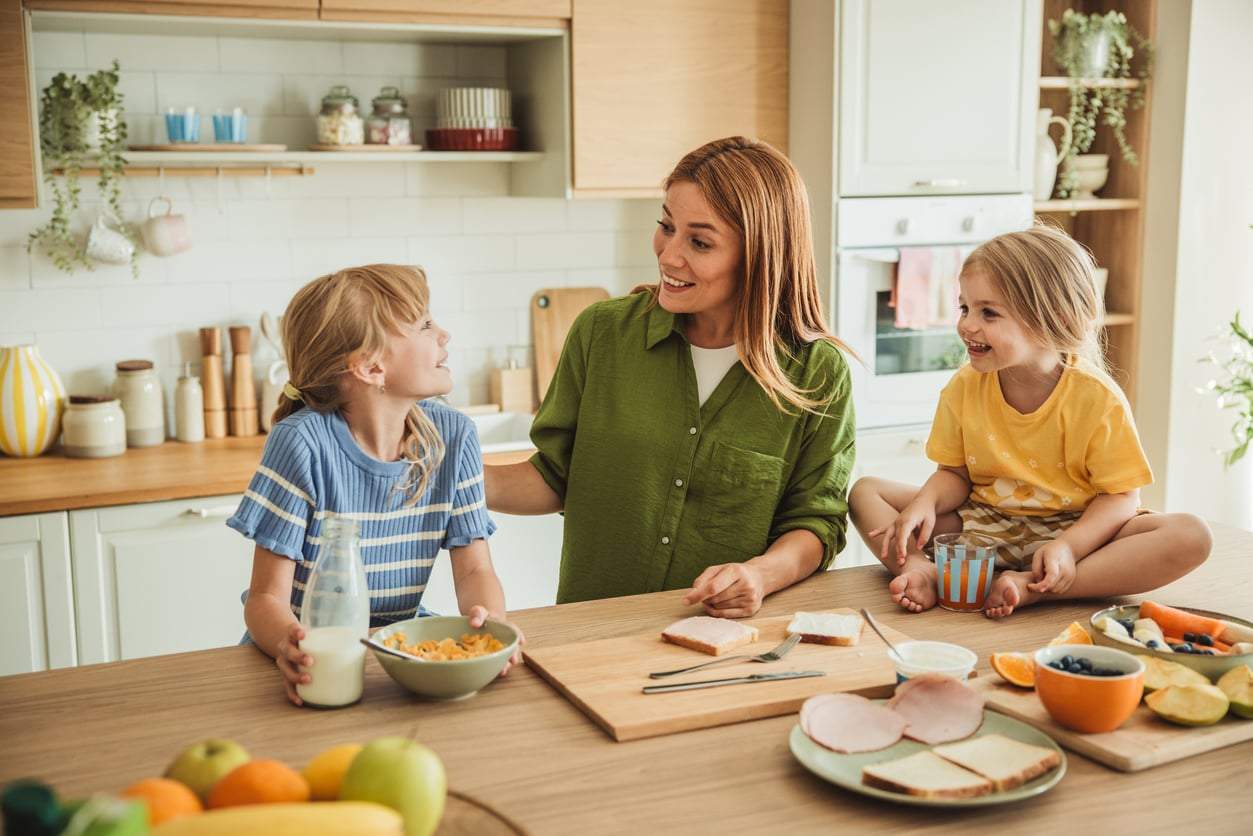
I know it’s easy to say this when there’s arguing or boundary testing, but I also know it helps a lot to explain the reasons. Shared decisions and agreed rules don’t weaken parental authority — they strengthen the bond.
"If you don’t stop crying, I’ll give you a reason to."
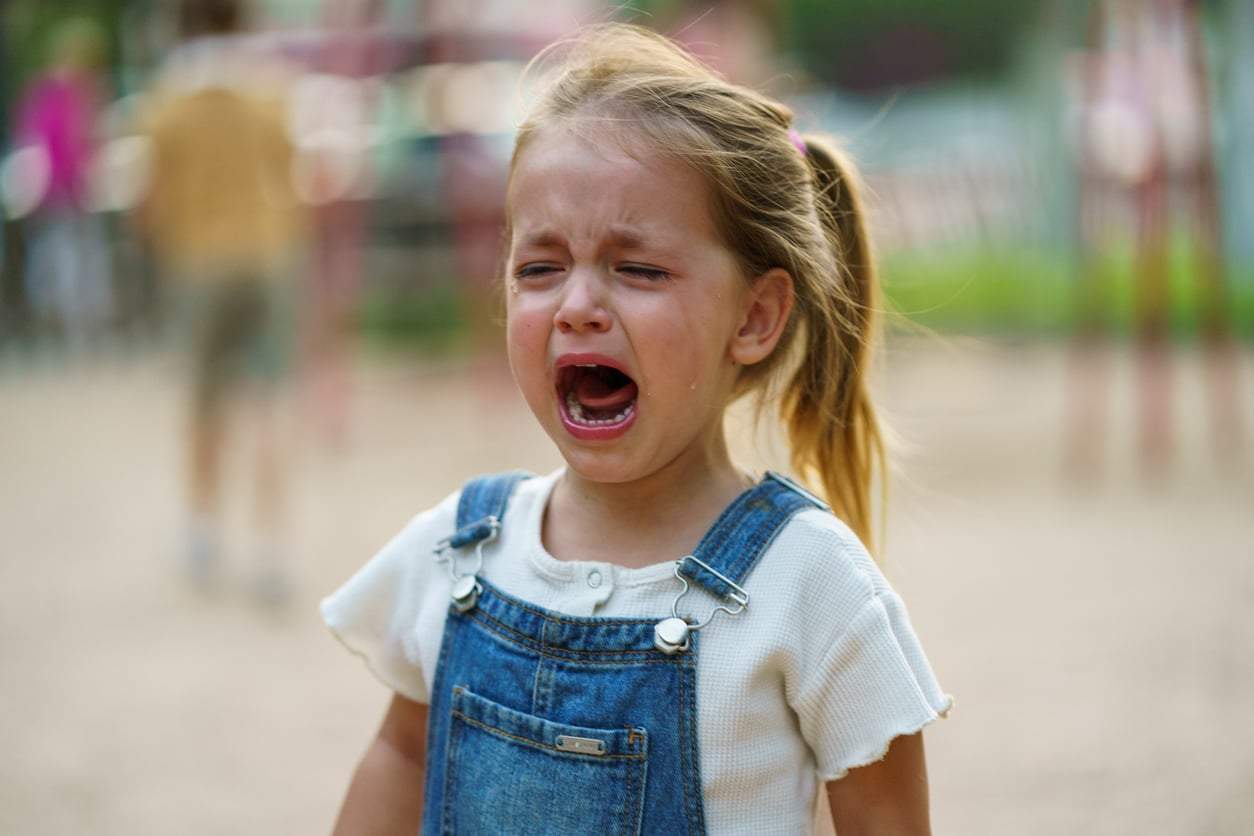
As a child, I didn’t understand how someone could be scolded for crying. Now I know adults often feared their own helplessness more than the tears, and said this because they didn’t know how to handle vulnerability or the need for care. Still, I want my daughter never to be ashamed of her feelings. I want her to know it’s okay to cry — sometimes it’s necessary — and that she doesn’t always have to be strong. True strength is in connecting with others, not constant calm. Of course, instinctively, I’ve told her “don’t cry” and “calm down” many times, but when I realized what I was really asking, I tried to fix it: “Then we can talk about what’s wrong.”
"If you fall, I’ll even slap you."
This is where I think we’ve grown the most, and I’d like to believe this is true across generations. Physical punishment is unimaginable to me — with anyone, especially my own child. Most mistakes teach enough on their own, and maybe if they bump their ankle enough times when ignoring warnings, they’ll learn to listen. Fear doesn’t teach; it only closes us off. Empathy opens us up — and that’s what I want to pass on.
After all this, I have to add: I don’t fool myself into thinking my daughter will grow up and say, “Mom, you were perfect.” I know something will stick — a half sentence, a bad day, a slipped moment, a memory when I wasn’t what she needed. But if nothing else, maybe she’ll remember that I tried and loved her unconditionally in every moment.