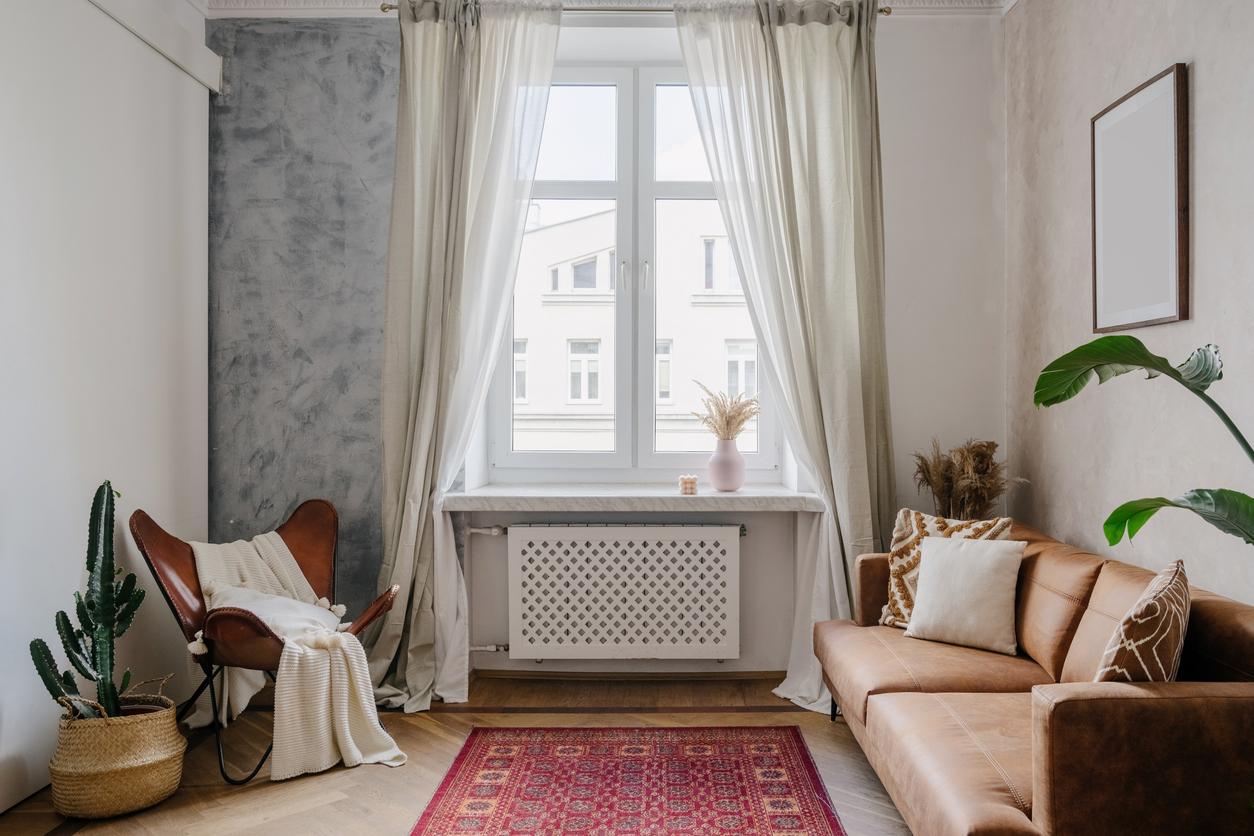
Long, floor-length curtains have an undeniably dreamy, romantic charm—the kind that instantly makes a room feel more elegant and inviting. The catch? If there’s a radiator under the window (which is common in most homes), style and practicality can clash.
The curtain gently falls right in front of the radiator, blocking the warm air’s path. Instead of heating the room, the heat gets trapped behind the fabric. Radiators are placed under windows to quickly warm up the cooler air near the glass—covering them disrupts this smart system.
Many think curtains don’t affect heating much, but they can cause significant energy loss. When warm air can’t circulate freely, rooms feel colder, and your heating runs longer and harder—meaning higher bills.
Short or Long Curtains? Style Isn’t Everything
There’s always room for creativity in home design, but sometimes function needs to take the lead. Experts say hanging curtains over radiators is a common mistake, especially with blackout curtains. Thick fabrics not only trap heat but can confuse your thermostat—if the curtain’s too close, the valve can’t accurately sense the air temperature, messing up your heating.
Of course, loving those long, floor-sweeping drapes is totally understandable. If that’s your style, here’s a smart compromise: use curtain tiebacks or holdbacks to pull the curtains aside when the heat’s on, letting warm air flow freely.
How Long Should Curtains Be?
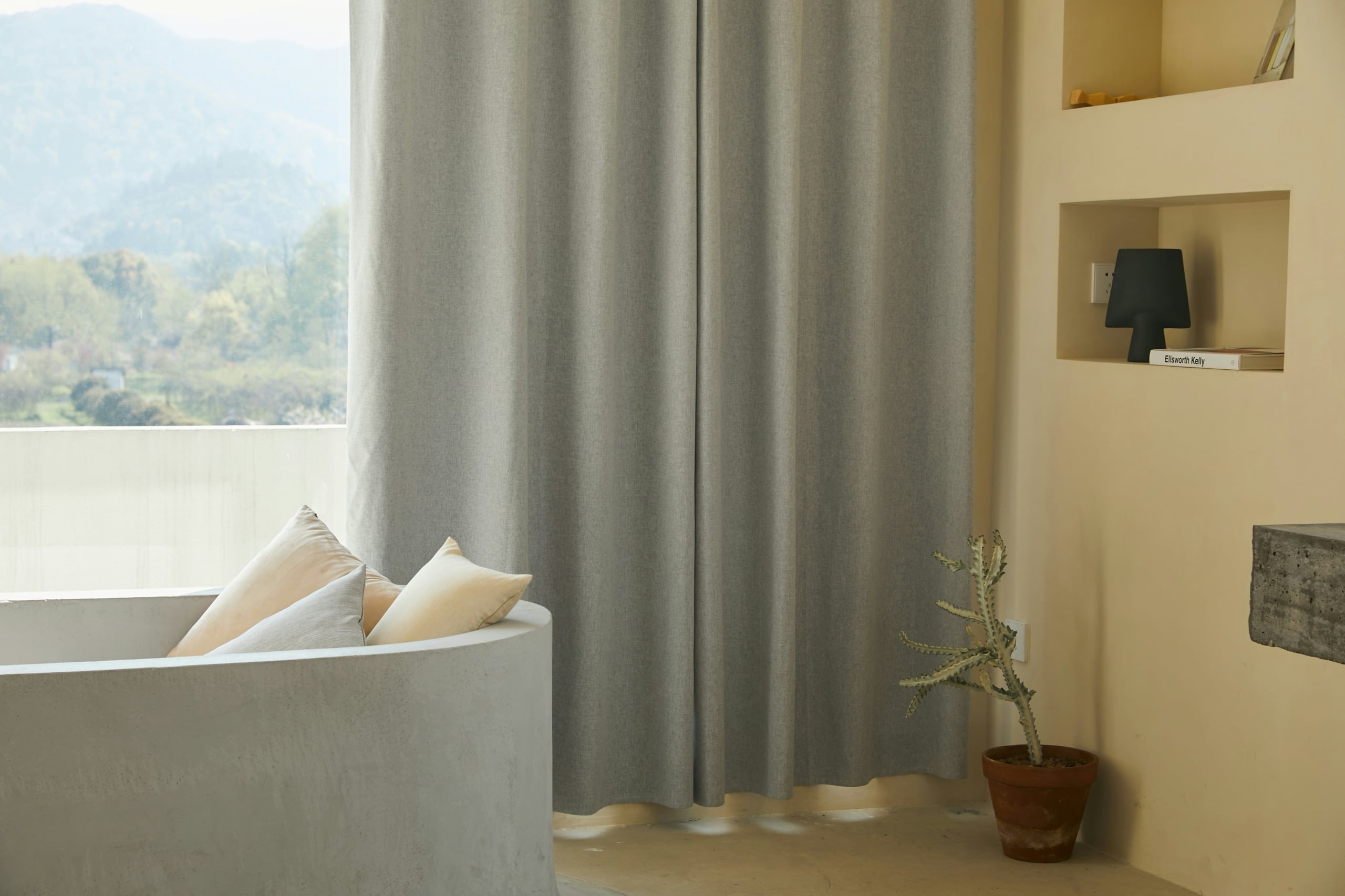
As a general rule, experts recommend curtains end at least 10–20 cm (4–8 inches) above the radiator. If you want that elegant, floor-length look, make sure you can tie them back when the heat is on.
For maximum energy efficiency, aim for curtains to finish 3–4 cm (about 1–2 inches) above the radiator. This gap lets warm air rise freely. If your windowsill or molding pushes the curtain forward, the fabric might slip behind the radiator—but it’s important it doesn’t cling to it.
From a style perspective, shorter curtains suit modern, Scandinavian-inspired spaces, while longer ones add romance and elegance. Just avoid letting the fabric hang directly on the radiator.
Is It Safe for Curtains to Touch the Radiator?
Modern hot-water radiators don’t get hot enough to cause fires, so it’s not dangerous if the fabric touches them. But electric radiators are a different story—they can heat up much more, so keep textiles away from them.
Even if it’s not a fire risk, heat can damage fabric over time—causing warping, discoloration, and faster wear. Plus, don’t forget your walls: constant warmth and moisture behind curtains can cause damage there, too.