Sometimes, a fizzy, sparkling mineral water that tickles your throat hits the spot perfectly. Today, you can find all kinds of flavored or sweetened versions too. But how wise is it to choose these when you want to quench your thirst?
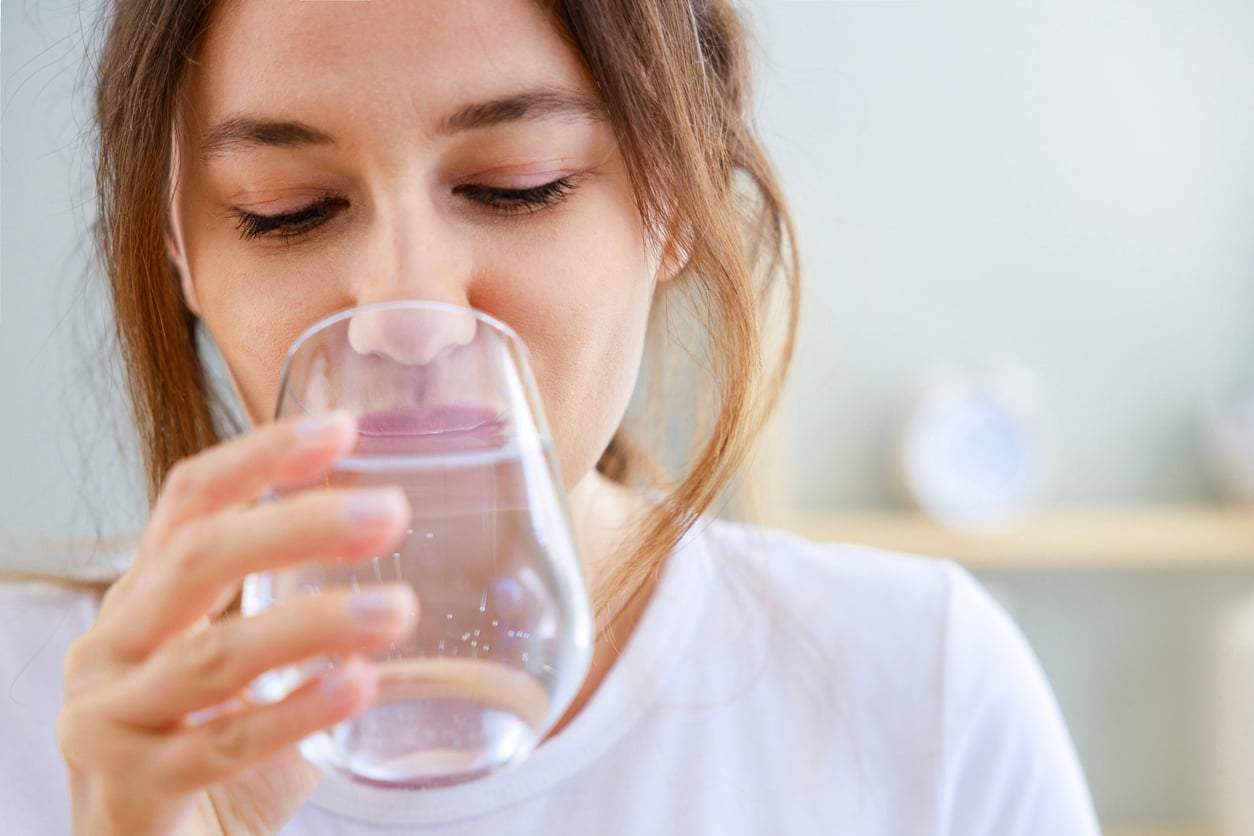
“Drinking sparkling water helps you meet your daily hydration goals just as well as plain water,” says Dana Ellis Hunnes, PhD, MPH, RD, lead dietitian at UCLA Medical Center and author of the 2022 book The Survival Kitchen.
Still, some experts note that the carbonation process makes sparkling water slightly more acidic than regular drinking water. In theory, this acidity could demineralize teeth, potentially contributing to tooth decay. But this risk is minimal, explains James E. Galati, DDS, the new president of the New York State Dental Association (NYSDA):
“Recent studies show that although sparkling water is a bit more acidic than plain water, it has about the same effect on tooth enamel.”
As for a related myth: there’s no evidence that sparkling water weakens your bones. The carbon dioxide in soda water can cause bloating, gas, or heartburn, though. Research published in Alimentary Pharmacology & Therapeutics shows these effects are temporary, and sparkling drinks don’t worsen conditions like acid reflux.
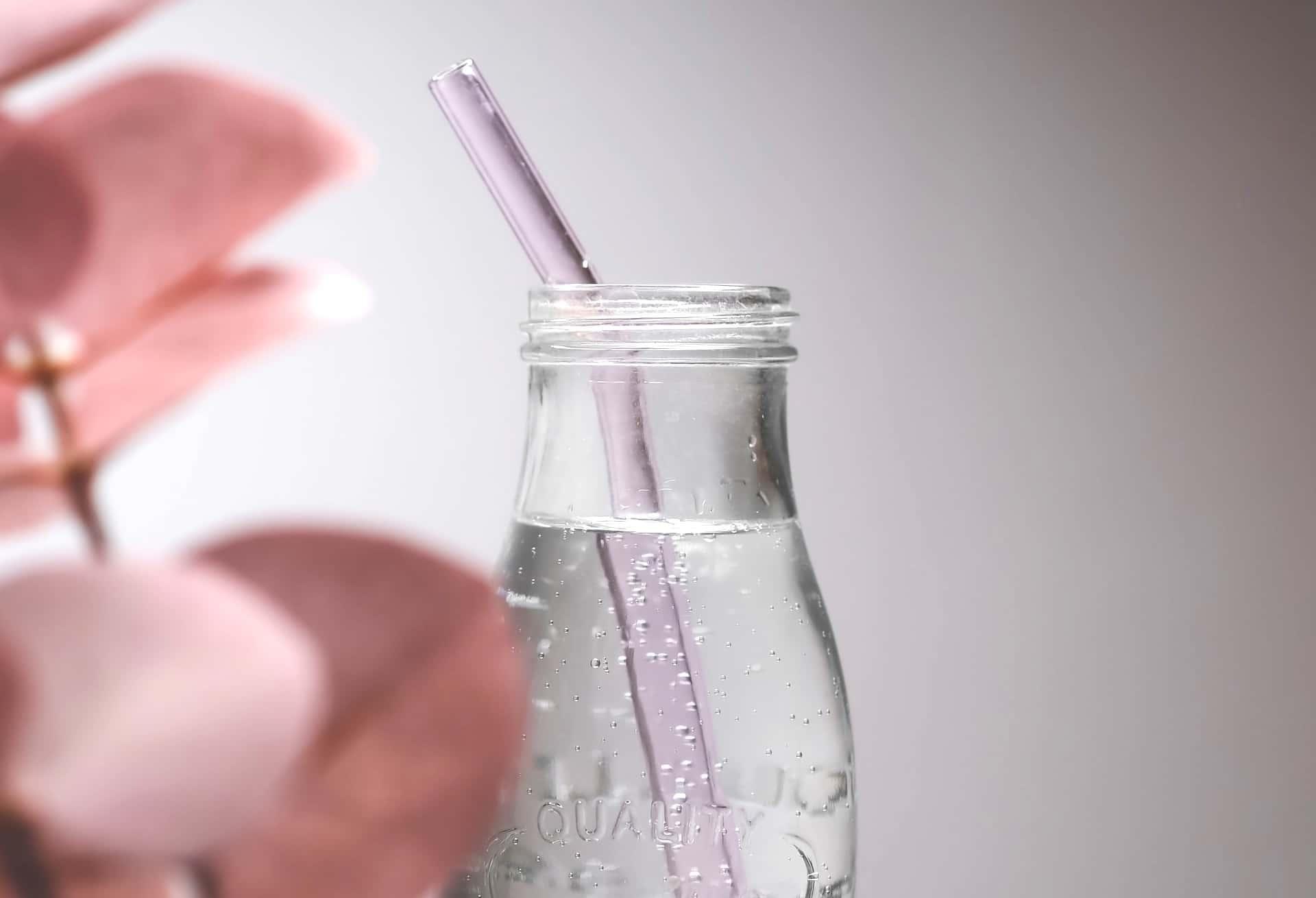
Experts generally recommend sipping sparkling water slowly and in moderation to limit any discomfort. Some studies even suggest sparkling drinks might aid digestion. Avoiding a straw can also help reduce bloating when you enjoy fizzy water.
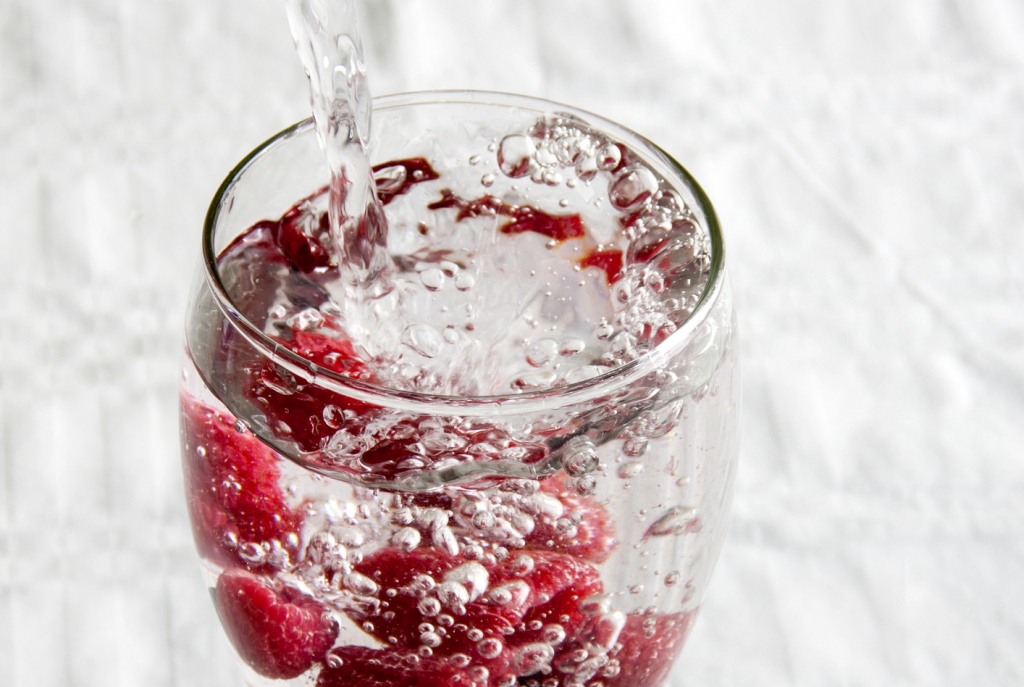
Which Sparkling Water Should You Choose?
While sparkling water has few downsides, it’s important to check the label. Experts advise watching out for sugars and additives, as these make flavored waters less healthy options.
One great option is making your own sparkling water at home. Many soda makers let you customize the fizz level, so you can control acidity and carbonation. Homemade sparkling water also helps you avoid additives like flavors or colorings. Plus, Hunnes says you can brighten it up with a few drops of all-natural fruit juice.
Even though sparkling water probably won’t harm your teeth, making it at home might offer extra protection. “Most tap water contains fluoride,” Hunnes explains, while store-bought bottled waters—sparkling or still—often lack this enamel-strengthening mineral.
And not surprisingly: after the initial investment, making your own sparkling water is much more budget-friendly in the long run.