We usually think of smoking’s effects in the here and now: on ourselves, our surroundings, maybe our kids. But recent studies reveal that the consequences of smoking reach much further, affecting even those who haven’t been born yet.
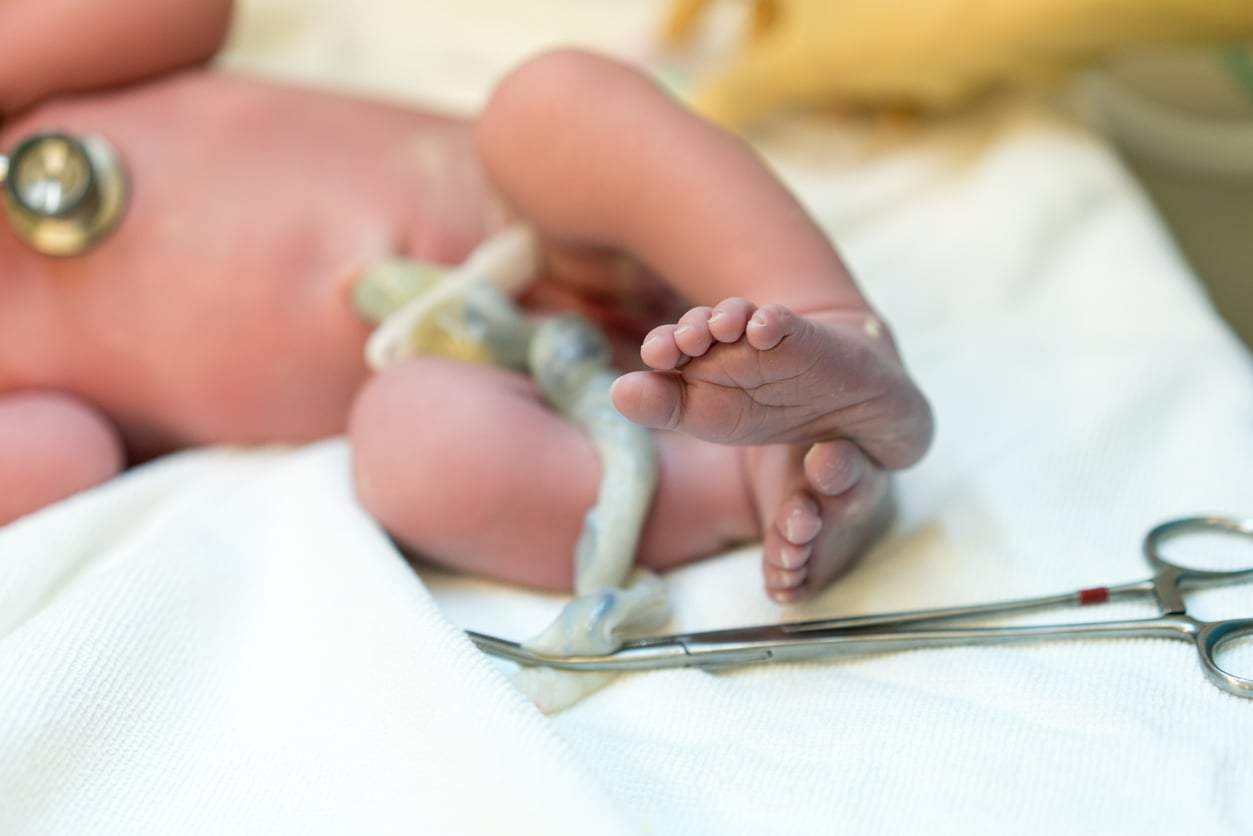
Have you ever had one of those moments when everything suddenly clicks? For me, it happened years ago while reading about transgenerational patterns. I realized that inside my grandmother’s womb—back when I was just an egg cell—I was already there. It sounds unbelievable, but it’s true: newborn girls (including my mom) come into the world with a set number of egg cells, including the one that would become me.
So it’s not far-fetched to think that everything a woman experiences—physically or emotionally—leaves a mark on future generations.
From this perspective, it’s clear: smoking harms more than just the smoker—it can ripple all the way to the grandchildren.

Smoke That Destroys at the Cellular Level
Semmelweis University’s latest research clearly shows that cigarette smoke doesn’t just irritate—it fundamentally changes how the body works. Dr. Péter Torzsa, head of the Family Medicine Department, explains that compounds in smoke directly damage cell DNA while weakening the repair processes that normally protect against harm. This means healthy cells become more vulnerable, while cancer cells actually grow stronger.

Effects Passed Down to Grandchildren
Most smokers know cigarettes harm their own lungs and those around them. But fewer realize that harmful substances affect the genetic material in egg and sperm cells, increasing risks of miscarriage, birth defects, and some chronic illnesses.
The most surprising findings show that if a grandmother smoked, it can influence her grandchildren’s lung capacity and asthma risk. This happens through epigenetic changes—gene activity shifts without altering the DNA sequence itself. It’s where our personal stories gently intertwine with those of future generations.
Your Immune System Remembers
Researchers at Semmelweis University also highlight that smoking leaves a lasting imprint on our immune system. While innate immunity recovers fairly quickly, learned immunity can carry smoking’s effects for years after quitting. This means your body “remembers” smoking long after you’ve put out your last cigarette.
In recent years, the gut microbiome has gained well-deserved attention. Studies confirm this “organ-like” part of us influences every part of our body. But smoke disrupts the microbiome too: nicotine changes gut pH, favoring bacteria that fuel inflammation.

Last but not least, smoking dramatically speeds up skin aging. Research shows smokers in their 40s can have as many wrinkles as non-smokers two decades older, in their 60s.
Wrinkles may bother many, but they don’t require life-saving care—unlike cancers, heart and vascular diseases, or respiratory problems linked to smoking. Seen this way, smoking isn’t just a personal matter. New research confirms our choices echo in the lives of our children and grandchildren.
Quitting can be a long journey, but remember: every smoke-free day improves your chances—and those of the future branches of your family tree.