What if tomorrow morning the whole system just stopped? No deadlines, no expectations, no one needing anything from you. Just open, unscheduled time — as much of it as you want.
It sounds like a dream. But for most of us, that sudden freedom would quickly start to feel uncomfortable. Because when the noise stops, something else starts — a quieter, more unsettling voice we've been very good at drowning out. And honestly? Most of us have no idea what to do with it.
We live in a world where simply existing feels like a waste of time. Modern life has become so obsessed with efficiency that even our downtime gets optimized — we track our sleep with apps, we vacation by checklist, and we treat rest like just another task to tick off. Real living, though, begins exactly where we stop performing. The moment we're not producing anything visible, we start feeling useless. And that feeling is worth paying attention to.
Boredom has become almost impossible
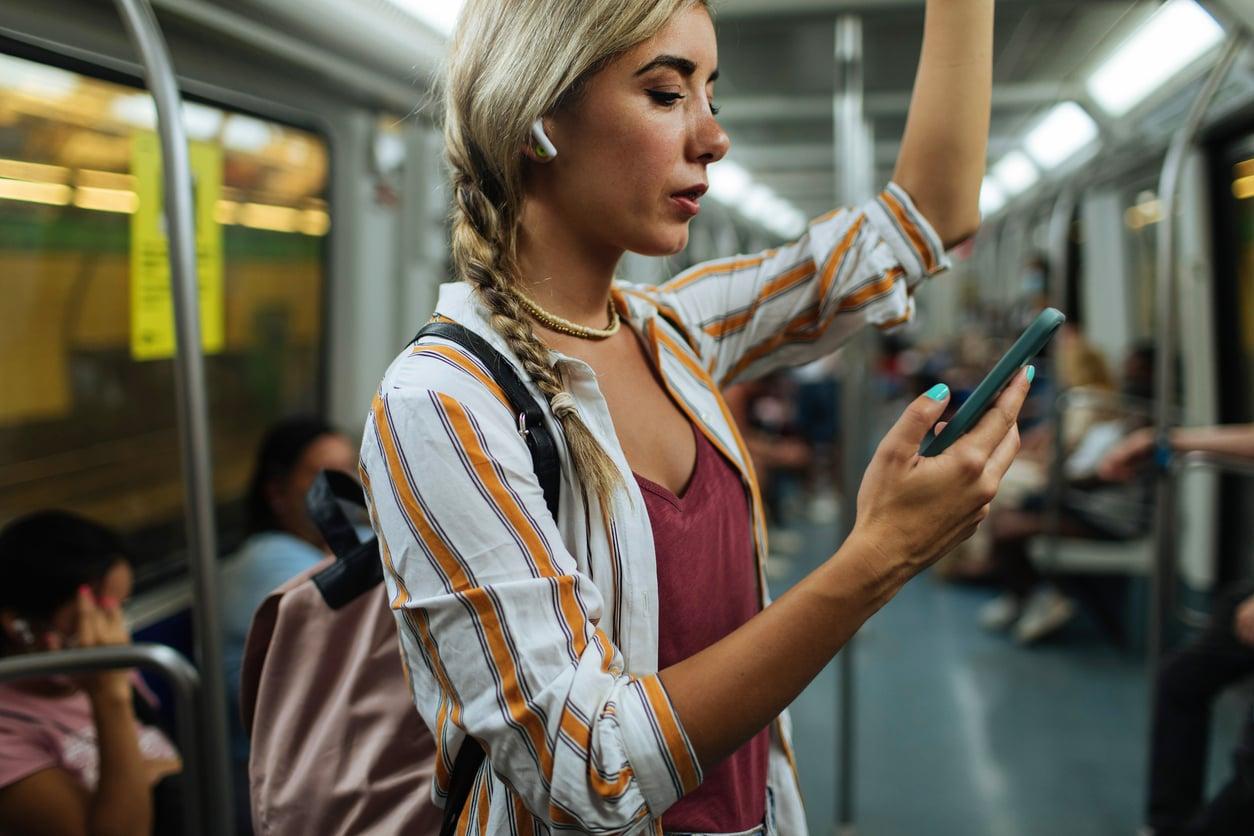
When did you last sit on a train without reaching for your phone? Or wait at a doctor's office without staring at a screen? I've been trying to do this deliberately lately — bringing those small, empty pockets of time back into my day — and I'll be honest: it's a real struggle. The pull toward my pocket is almost automatic, made worse by the fact that everyone around me is already lost in their own device.
I'm not looking to strike up conversations with strangers. But there's something genuinely unsettling about watching that collective trance — an entire room of people, all escaping the present moment at the same time. I get it. I do it too. I squeeze reading into stolen minutes just to feel like I'm spending time on myself. But still — where did the time go? Why do the days feel so much shorter than they used to?
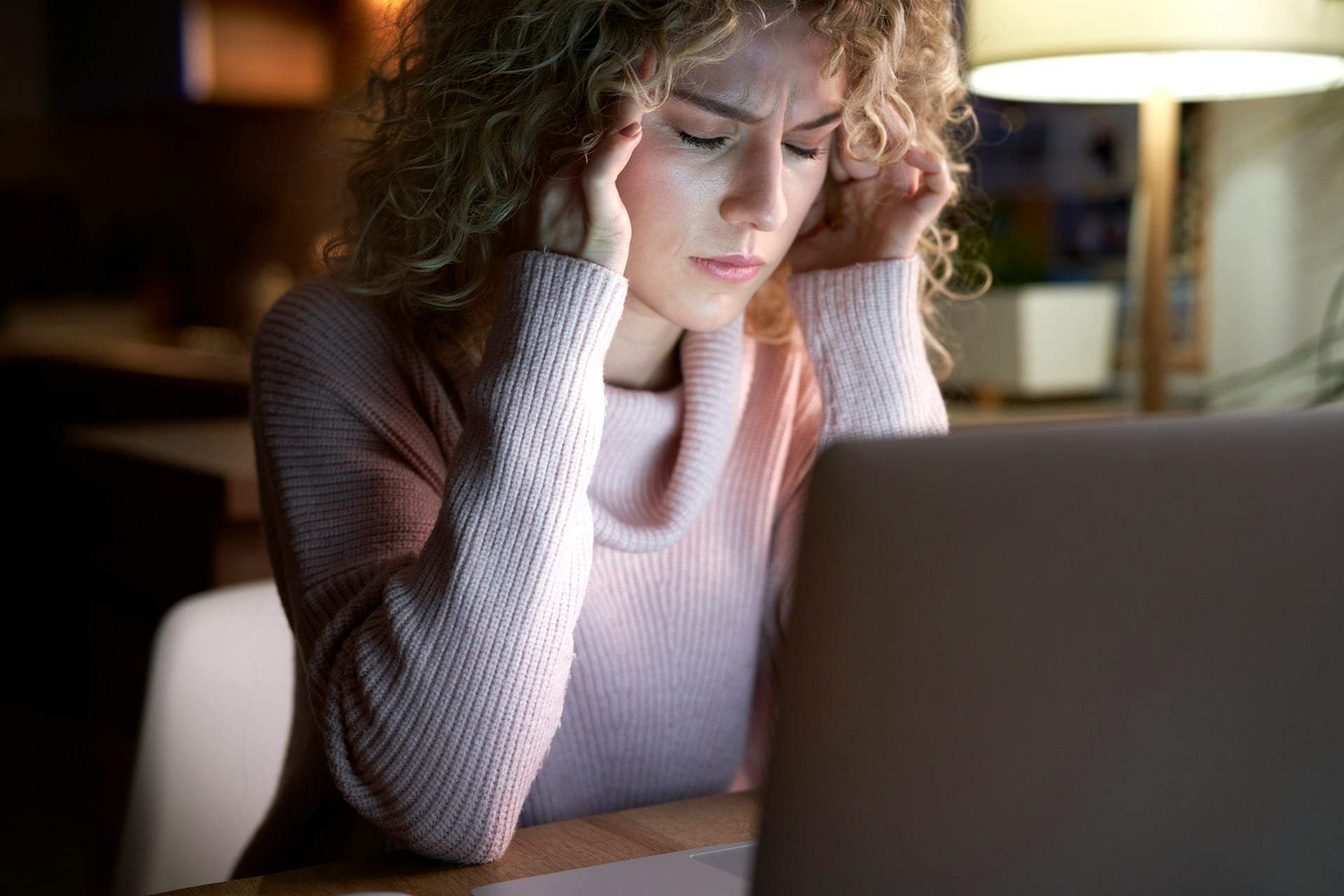
A lot of my work demands real creativity, and I've noticed that after a while, I simply run dry. I crave rest, but I can't seem to create the conditions for it. If I had a free day right now, I'm not sure I could commit to anything wholeheartedly. Every activity, every hobby feels appealing for a moment — and then loses its shine almost immediately, like a song you've already heard too many times.
That inner restlessness reveals something important: we've forgotten what real rest actually feels like. We've tied relaxation to stimulation — and the moment the stimulation isn't strong enough, we're already reaching for the next thing.
Fear of silence is a modern epidemic
We've become so accustomed to the constant flicker of screens and the endless flow of information that when it stops, our brains go into something like withdrawal. We get tense. We tap our fingers. We scan for the next hit of stimulation. You can see it clearly in children — I see it in my own daughter. Things that would have kept me entertained for an entire childhood afternoon are, to her, unbearably boring within minutes.
The digital noise around us has raised the stimulation threshold so high that we are forgetting, as a generation, how to build entire worlds inside our own heads — out of nothing but silence and imagination.
And yet, boredom is actually a valuable state — the antechamber of creativity. When we don't immediately smother the first hint of quiet with another notification, the mind starts turning inward. That's when ideas surface. That's when suppressed feelings finally get a chance to breathe. That's when something real can emerge.
Maybe that's exactly what we're running from. What if the silence reveals something we've been successfully keeping buried? How long can we keep this up? And when does the moment come — individually, collectively — when we finally say: enough. I don't want to keep running.