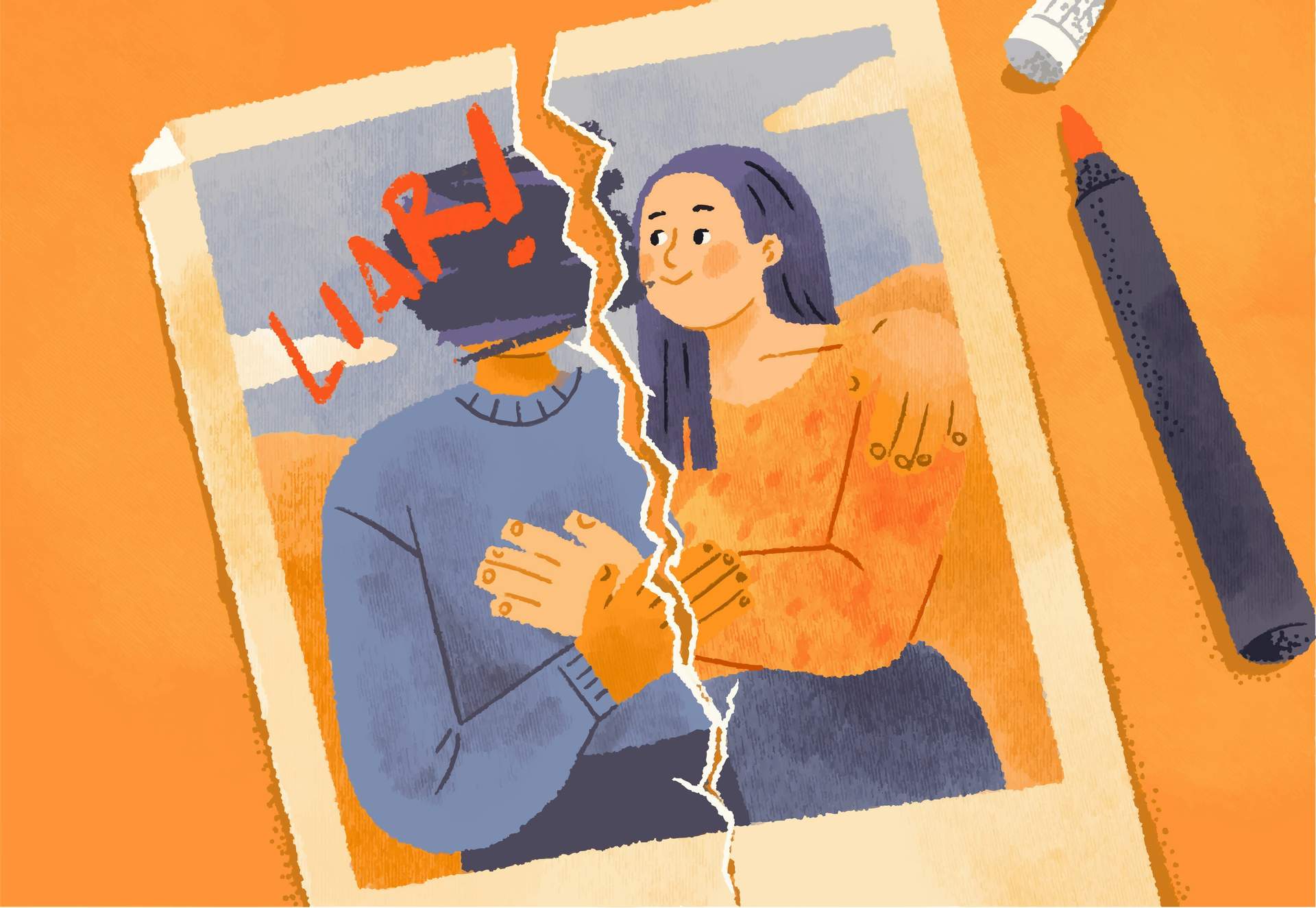
Have you ever thought that if your intentions are good, you can’t do harm? That sharing your opinion, even if a bit blunt, helps the other person? Sometimes that’s true, but life—and especially the online world—keeps showing us: good intentions alone aren’t enough. Our words, no matter how harmless they seem, carry weight, and often the phrases we think are just "honest" hurt the most.
A Lesson from a Recipe Group
I’m part of several cooking and recipe groups on social media. These groups are full of passionate, creative people who pour their hearts into dishes and happily share their results. These posts are often more than recipes—they’re little stories of joy, attempts, and successes.
But sadly, I often see the comment sections turn into judgment zones. Someone posts a photo of their freshly baked baguette that looks a bit pale due to lighting, and the critiques start rolling in:
“It’s raw.”
“That’s not a real baguette.”
Meanwhile, the poster might have spent the whole morning baking and was simply happy it turned out well.
Is It Wrong to Do Things Differently?
Equally hurtful are comments when someone tries something new or tweaks a traditional recipe. For example, a classic dish like layered cabbage made with alternative ingredients might get criticized with remarks like, “That’s not the real thing anymore.”
Sometimes people get comments for using “too little paprika” or for not presenting the dish in a visually perfect way.
At first, these critiques might seem harmless, but they all point to the same thing: many people struggle to simply celebrate someone else’s joy. It’s like there’s always a need to correct, add, or "know better."
Online Spaces: Opportunities or Judgment Panels?
The internet offers a chance to belong to communities where we can get inspired and learn. But increasingly, it becomes a competition arena. Many hesitate to share their creations, fearing others’ reactions.
These groups, pages, and forums were originally created to connect us, not divide us. If we nitpick every detail and correct everyone, soon only the bravest will remain—guarded and withdrawn.
Just one harsh comment can stop someone from posting again, trying new things, or feeling proud of their work.
Criticism Can Be a Gift—If We Wrap It Right
Don’t get me wrong—criticism itself isn’t the problem. Feedback is essential for growth and learning. But how we deliver it matters.
Saying “It’s raw” feels hurtful and can shut down the conversation. But saying, “It looks like it might have needed a bit more baking, but it’s very appetizing and probably delicious!” builds up instead.
It’s the same idea, just a kinder tone. Constructive criticism doesn’t hunt for faults—it looks for chances to improve. Most importantly, it speaks to others by giving, not taking away.
The Responsibility of Words
It’s easy to forget that there’s a real person with feelings, confidence, and vulnerabilities behind the screen. One sentence can be someone’s highlight of the day—or the last straw that stops them from trying again.
So before we type, it’s worth pausing and asking: Am I trying to build someone up, or just pick a fight?
Kindness Costs Nothing
The internet is full of opinions, but empathy is often missing. Sometimes a small compliment, a kind word, or a smiling emoji is all it takes to help someone feel more confident and connected.
Our words hold incredible power, and it’s a shame not to use it well. One harsh word can tear down, but one kind word can build up. The choice is ours.