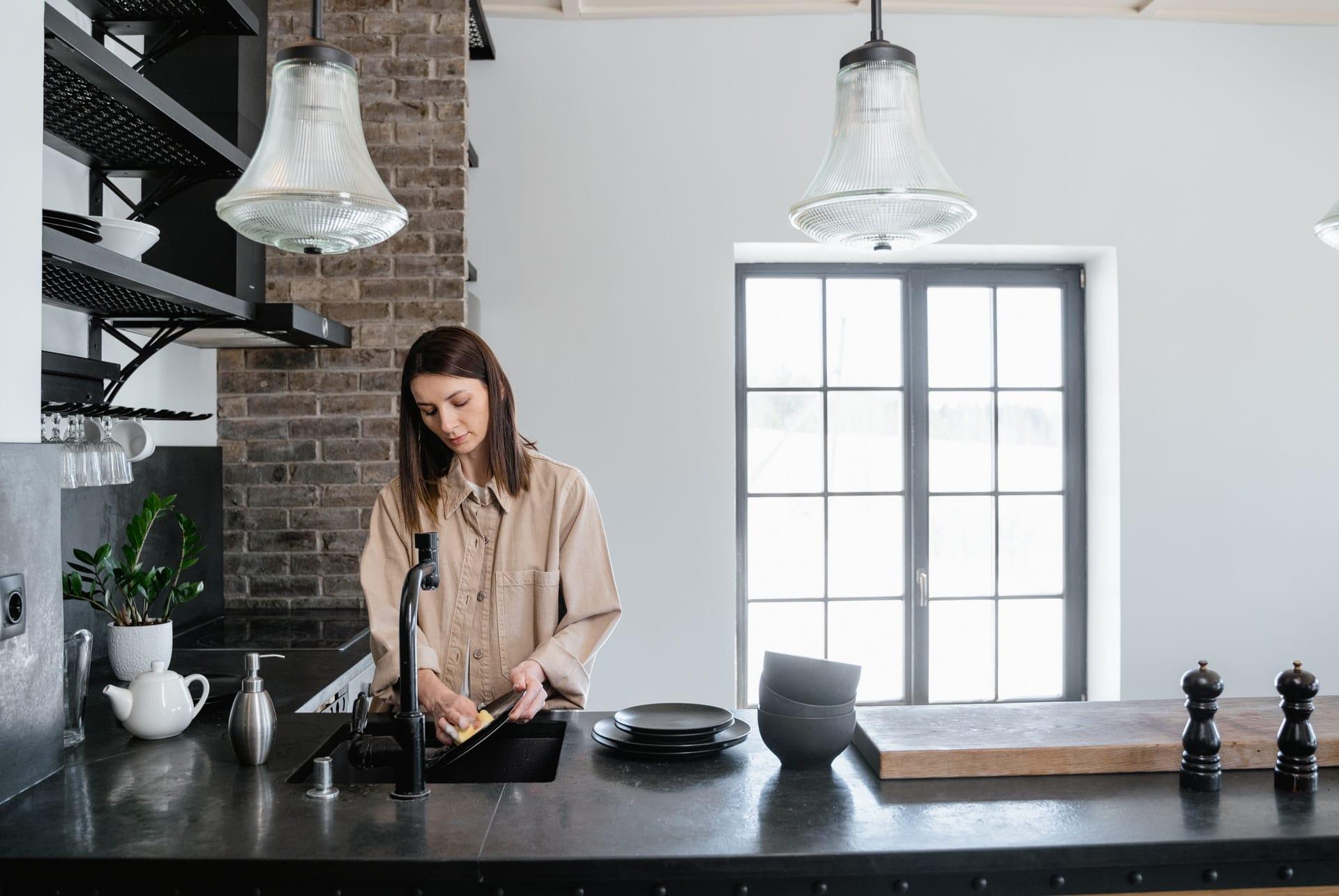
Most of us treat doing the dishes as something to get through as quickly as possible. But Martha Stewart — America's undisputed queen of the home — sees it differently. With the right approach, washing up can be efficient, almost meditative, and leave your kitchen genuinely sparkling. Here are her five essential tricks.
Start with a clean, clear sink
Before you wash a single dish, the sink itself needs to be clean. Martha is firm on this: a grimy or cluttered sink slows everything down and creates a hygiene problem before you've even started.
At the end of every day, scrub the sink thoroughly with hot water and an antibacterial cleaner so you're always starting fresh.
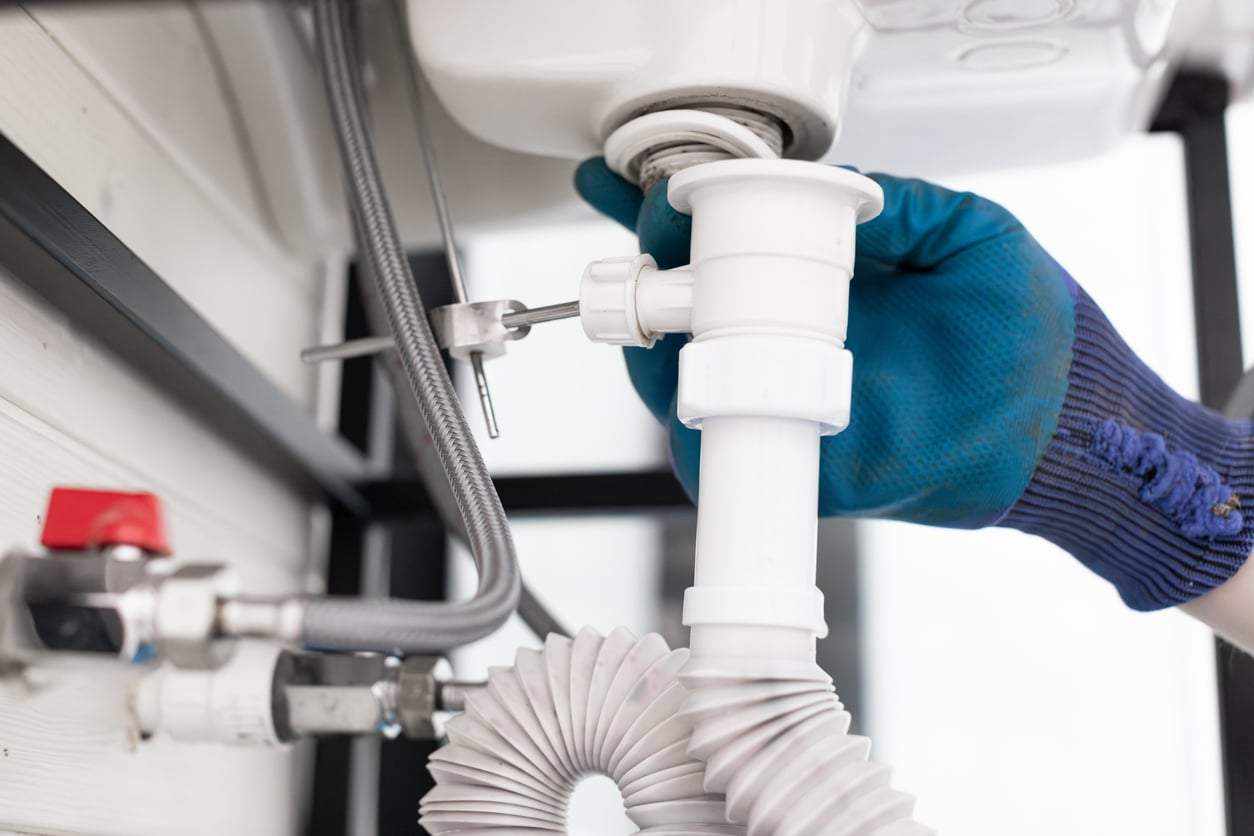
Don't forget the drain. A regular flush with baking soda and white vinegar followed by boiling water keeps it smelling fresh and prevents blockages before they happen. It takes two minutes and saves a lot of frustration.
Prep before you start — soak the stubborn stuff
The secret to faster dishwashing? Don't fight dried-on food. Before you sit down to eat, take thirty seconds to fill a large bowl or the sink with hot soapy water and submerge anything greasy or heavily soiled. By the time the meal is over, most of the grime has already loosened itself.
Stewart also recommends keeping all your supplies — sponge, scrubber, dish soap — in one dedicated spot. Reaching around for tools mid-wash wastes time and breaks your rhythm. Have everything within arm's reach before you begin.
Wash in the right order
This is the trick that makes the biggest difference, and most people do it backwards. Martha's rule is simple: always wash from least dirty to most dirty.
Start with glasses, mugs, and cutlery. Move on to plates and bowls. Save the greasy pans and baking dishes for last.
The logic is straightforward — if you scrub a filthy pan first, your water turns grey and you end up spreading grease onto everything else. Working clean-to-dirty keeps your water effective for longer and means you're not re-washing things you thought were already done.
Dry smarter, not harder
How you dry matters more than most people realize. Stewart recommends a rack or draining board that allows proper air circulation — dishes dry faster and more hygienically when air can move freely around them.
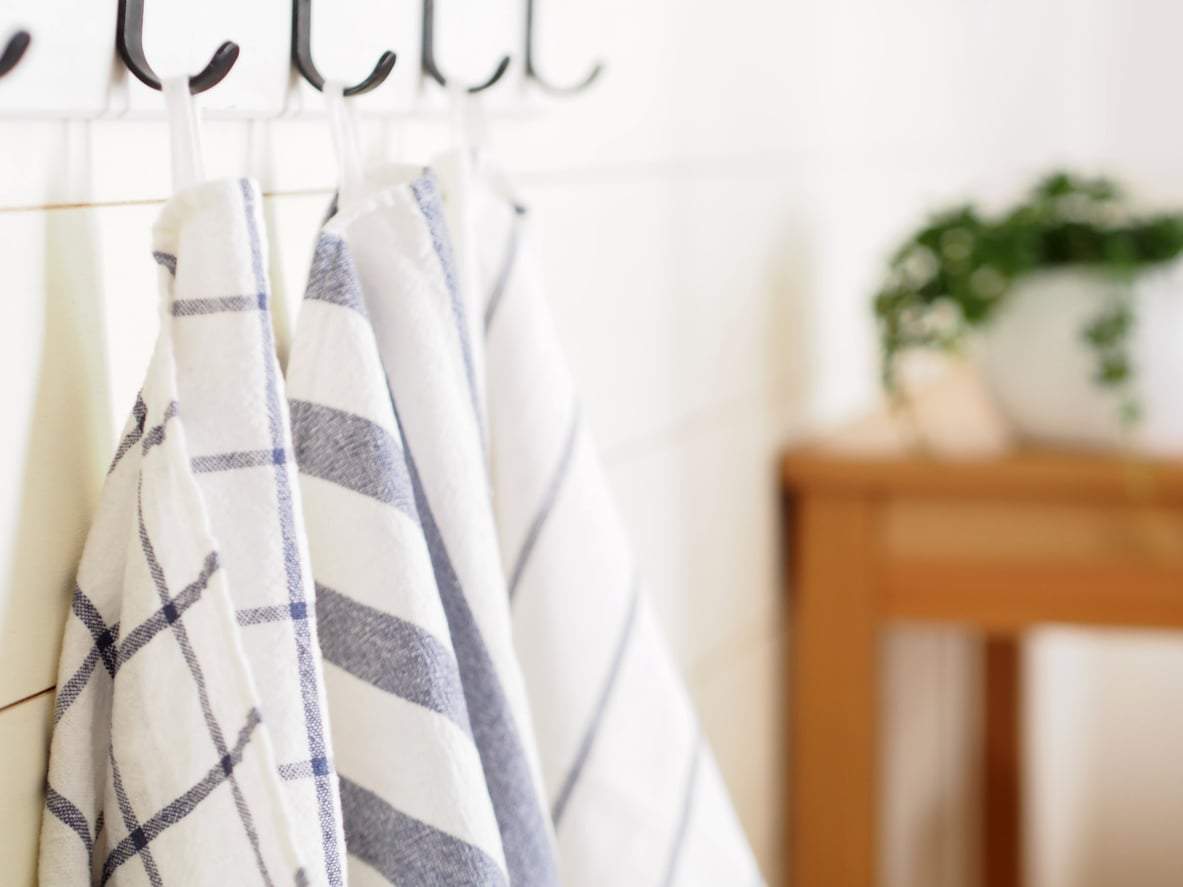
If you prefer to hand-dry, skip the regular kitchen towel. Fluffy towels leave lint behind and can harbor bacteria. A microfibre cloth is far more effective — it absorbs quickly, dries streak-free, and doesn't leave fibers on your glassware.
Once everything is dry, put it away immediately. Walking into a kitchen where everything is in its place makes the next meal feel like a fresh start rather than a continuation of yesterday's mess.
Be kinder to the planet while you're at it
Martha Stewart has long been an advocate for more conscious living at home, and the sink is no exception. A few small changes add up quickly.
Turn the tap off while you're scrubbing — you don't need running water until you're ready to rinse. Choose biodegradable, eco-friendly dish soap where possible, and consider making your own cleaning paste with baking soda and castile soap for tough jobs. It's cheaper, gentler on surfaces, and better for the environment.
These aren't grand gestures — they're small habits that become second nature within a week.
The bigger picture
What Martha Stewart understands — and what her advice quietly reflects — is that a clean kitchen isn't just about hygiene. It's about how you feel in your home. Ending the day with a spotless sink and everything in its place is a small but genuinely satisfying ritual.
Follow these five steps consistently, and doing the dishes stops feeling like a chore you dread and starts feeling like a task you actually own.