Matcha tea, a long-standing cultural gem in Japan, has gained popularity across Europe in recent years thanks to its impressive health benefits. This unique drink has earned global recognition and keeps reappearing as a must-have for a health-conscious lifestyle every season.
One of the most surprising scientific discoveries about matcha is that its health benefits go beyond its antioxidant content. Researchers like Dr. David Sinclair, a longevity expert at Harvard University, highlight matcha’s true "superpower": because it’s grown in the shade, the plant produces special stress-response molecules called xenohormetins.
When these compounds enter the human body, they activate survival, self-healing, and cell-protective processes, literally "training" our cells to resist disease and aging.
So, matcha isn’t just an antioxidant powerhouse—it’s a plant-based "trainer" that teaches our bodies to better withstand harmful effects through its own stress. This effect is much stronger in matcha than in most other teas because only matcha’s cultivation involves this unique plant stress.
What Exactly Is Matcha?
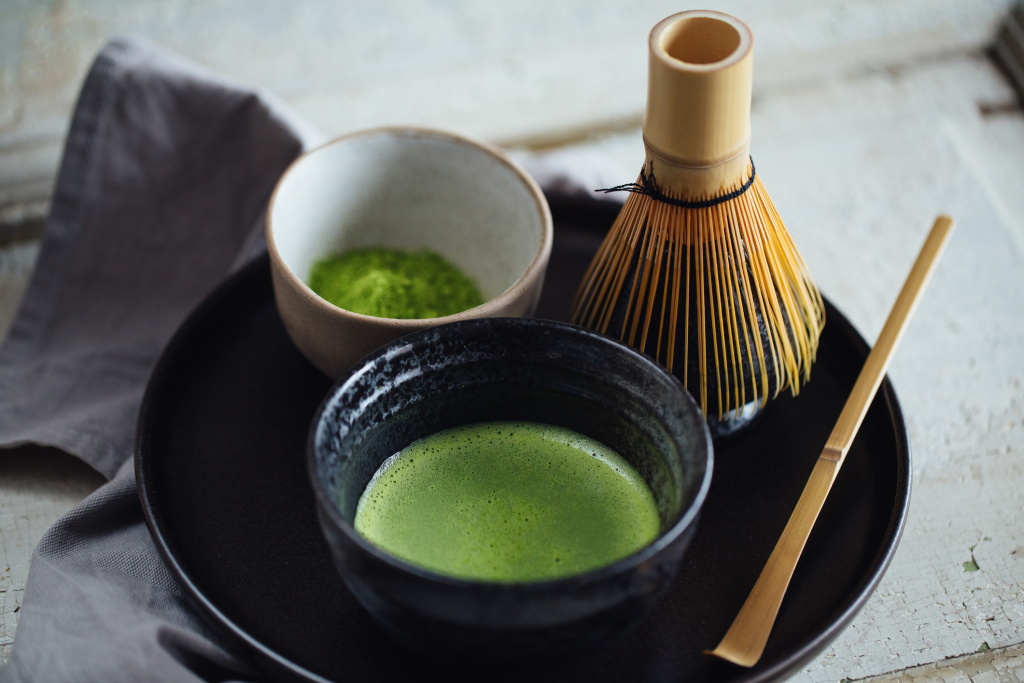
Matcha’s uniqueness lies in the fact that instead of brewing just tea leaves or tea bags, the whole leaf is ground into a fine powder. This means when you drink matcha, you consume all the nutrients, antioxidants, and beneficial compounds packed inside.
Matcha tea is more than a simple drink—it's a ritual that spread in Japan during Zen Buddhism as part of meditation.
Its preparation is special too. The tea leaves are grown under shade to protect them from direct sunlight, boosting chlorophyll levels and enhancing aroma and color intensity. These leaves are then carefully stone-ground into powder, giving matcha its incredibly rich flavor.
An Antioxidant Powerhouse in a Cup
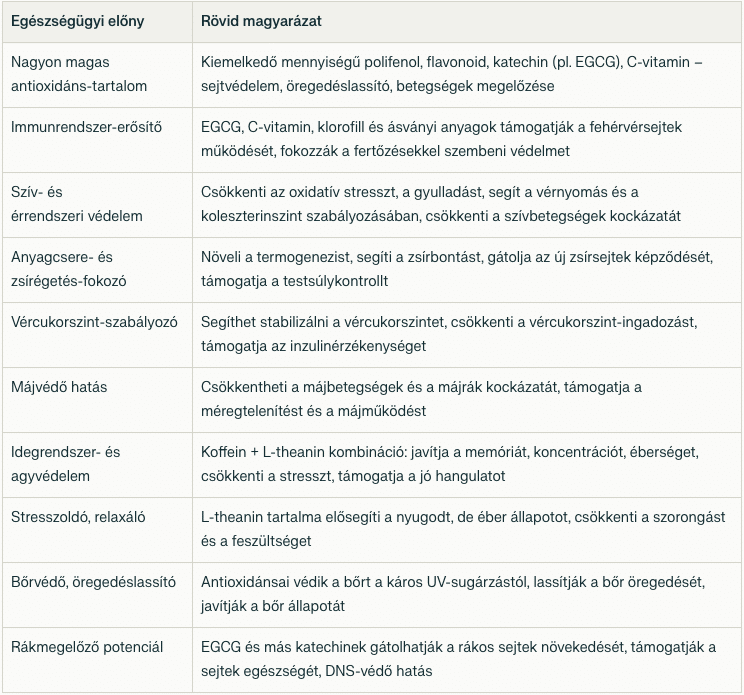
Matcha’s strength lies in its antioxidant content. Among green teas, it has the highest concentration of polyphenols that fight free radicals, especially EGCG (epigallocatechin gallate).
These antioxidants play a key role in protecting the body, helping prevent cell damage, inflammation, and various chronic diseases.
Multiple studies show that regular matcha consumption may reduce the risk of cancer and cardiovascular diseases, while boosting metabolism to support healthy weight management or weight loss.
Energy and Calm in One
Matcha’s unique ability to energize and calm at the same time comes from an amino acid called L-theanine. It enhances focus and concentration without causing the jitters or shakes often linked to coffee. L-theanine encourages the brain to produce calming alpha waves, promoting relaxation and reducing stress.
The caffeine in matcha absorbs more slowly, providing steady energy throughout the day without the sudden highs and crashes typical of regular coffee.
Matcha in Everyday Life
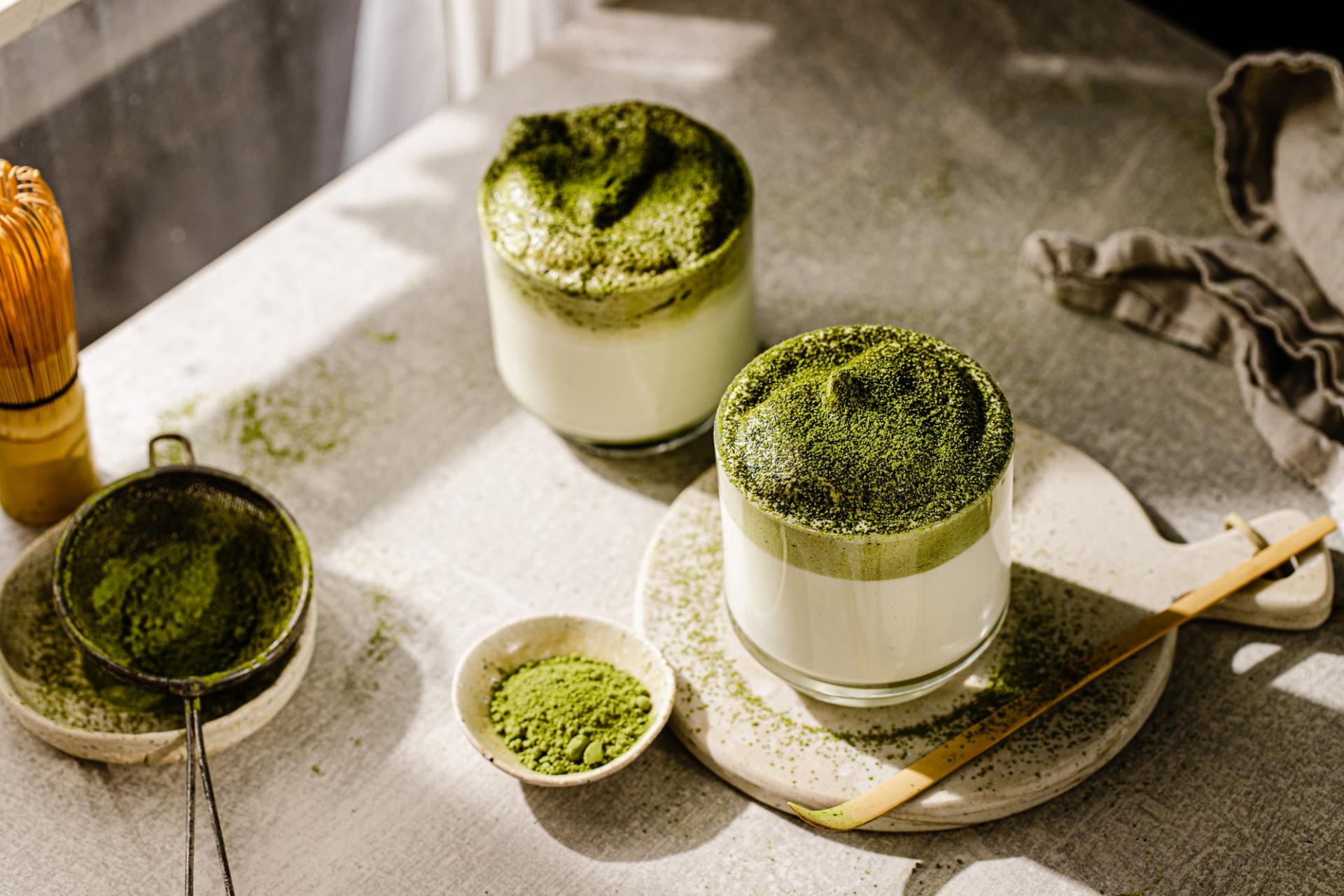
Matcha’s versatility shines as it’s enjoyed not only as tea but also in various foods and drinks. Whether it’s a creamy matcha latte, a refreshing smoothie, or a matcha-infused cake, its flavor adds variety and a special touch to daily meals.
Its spread across world cuisines shows matcha is more than a diet ingredient—it’s become a culinary delight. From desserts and ice cream to cocktails, there’s a way for everyone to enjoy matcha.
Matcha offers countless benefits worth adding to your daily diet. Beyond its unique and delicious taste, its bioactive compounds support detoxification, boost fat burning, strengthen the immune system, and refresh your mind.