Digital devices have quietly woven themselves into our daily lives. For many, they’re essential for work, key to staying connected, and powerful sources of information. Yet when we get home, the same devices often greet us under the guise of "relaxation": phone, laptop, TV. A quick message check, a short video, a news update—and suddenly, the avalanche begins.
In this world, it’s especially easy to become a prisoner of the online space. Not because we want to, but because constant stimulation feels natural. Before we know it, hours slip away scrolling aimlessly, while our real free time quietly drains.
The Invisible Time Thief and Missing Recharge
The strangest part is that despite spending so much time in front of screens, we rarely feel truly rested or recharged. Instead, fatigue, distraction, and a subtle inner restlessness linger. It’s as if our brains never get the chance to fully relax.
Often, we think this counts as rest—but our bodies and minds usually need something very different. Silence. Slowing down. Activities that don’t demand constant divided attention but instead bring us back to the present moment.
When Even the Evening Wasn’t About Rest
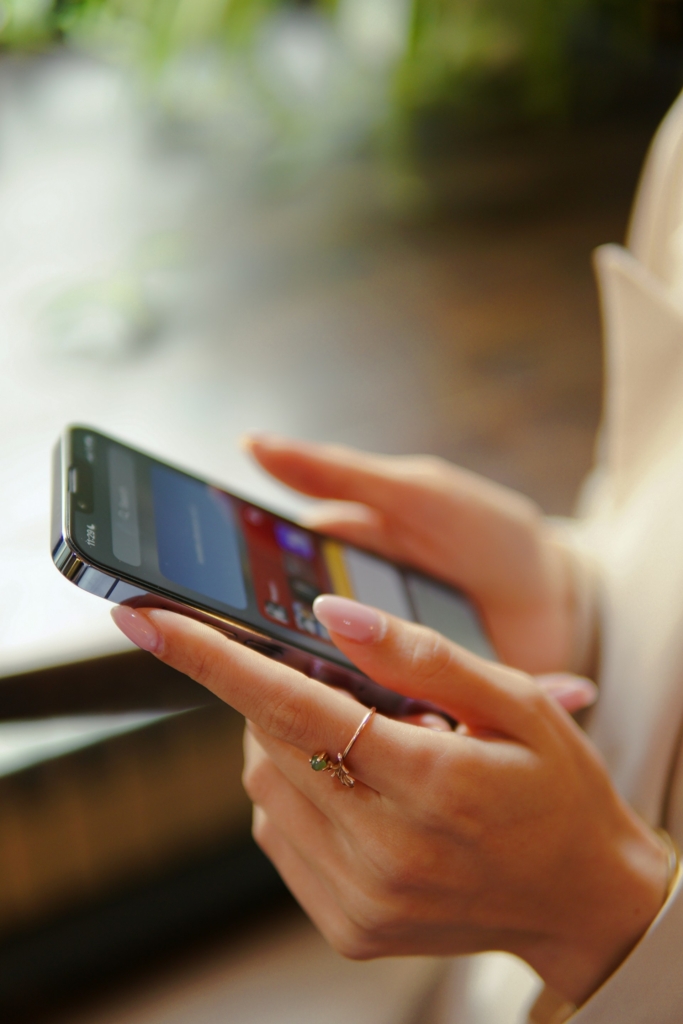
In recent months, I’ve noticed this happening to me more and more. There were times I simply got "stuck" on my phone. Even late at night, I couldn’t put it down, fully aware it wasn’t doing me any favors.
My sleep became lighter, focusing on what really mattered got harder, and my thoughts kept racing even when I wanted to rest.
That’s when it became clear: if I truly want to prioritize self-care, I can’t ignore how much time and energy constant online presence consumes.
Why Quality Offline Time Became My 2026 Goal
For 2026, I made a conscious choice. Not a radical digital detox or full retreat, but a more human goal: to create quality offline time for myself every day.
For me, this means taking back control of my attention. My phone doesn’t decide how I spend my free time—I do. Offline presence isn’t rejecting modern life; it’s about building a healthier balance.

Small Choices, Big Impact
Quality offline time doesn’t have to be measured in hours. Sometimes a mindful half-hour is enough. It could be a longer walk with my dog, where I’m not checking notifications but soaking in the surroundings, movement, and fresh air. Or a nature hike where my thoughts naturally settle.
It can also mean reading deeply, losing myself in a book, or attending in-person workshops where connection happens face-to-face, not through a screen. Calm cooking and baking, gardening, and hands-on activities all bring me tangibly back to the present.
Offline Presence as an Inner Luxury
In today’s fast-paced world, calm has become almost a luxury. Yet it’s really all around us—we just need to make space for it. When we put down our phones and stop multitasking, allowing ourselves to simply be, a whole new quality emerges.
Offline time is a kind of inner luxury for me: it costs nothing but holds priceless value. It helps me sleep better, think more clearly, and connect more deeply with myself and others.
A Habit I’m Taking Into the Future
If there’s one self-care habit I want to hold onto starting in 2026, it’s this: choosing a piece of offline presence every day—even if just for a short time. Because I believe these small, mindful choices bring deep, lasting change.