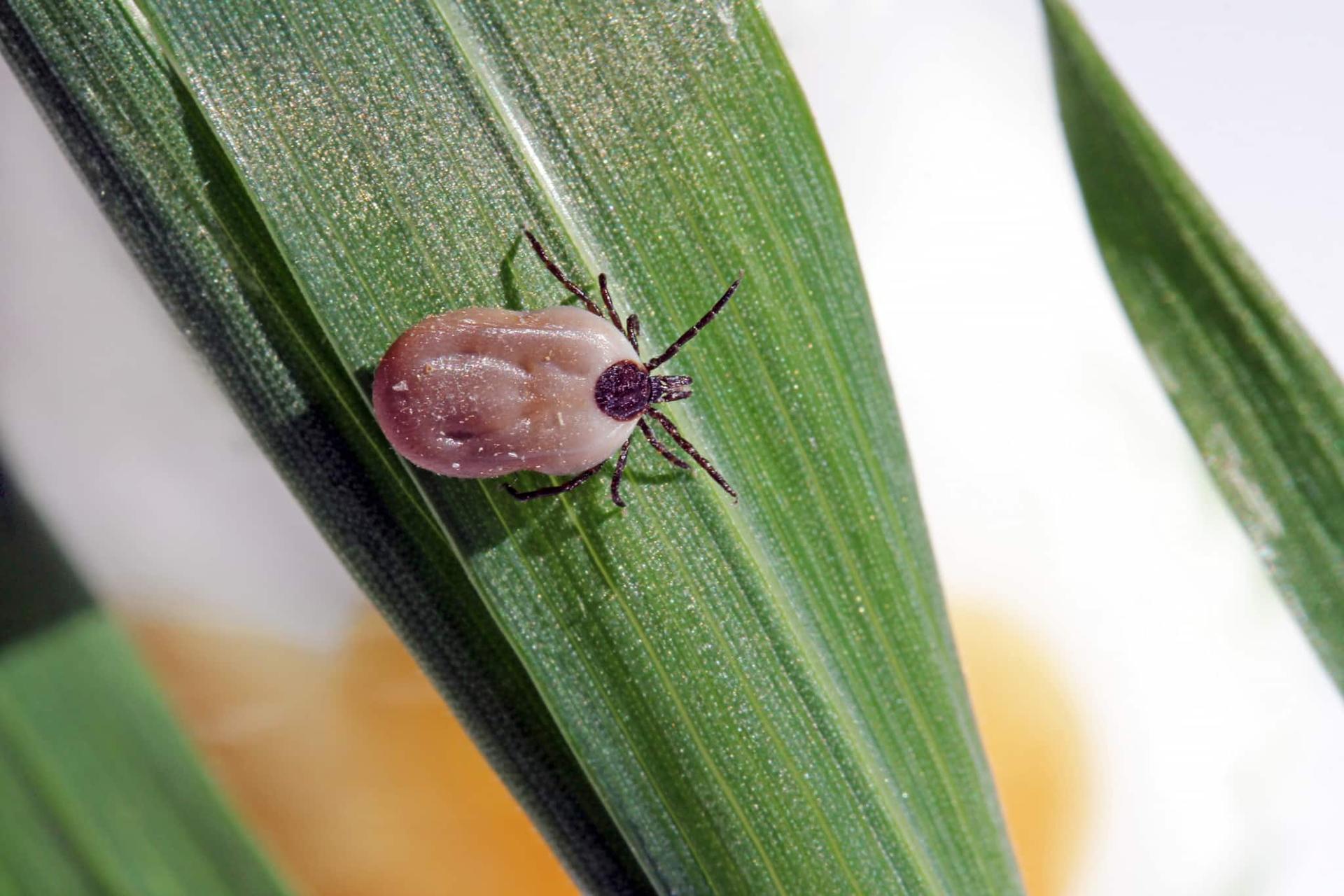
The very thought of ticks can scare many of us—and for good reason. These tiny parasites can unfortunately spread serious illnesses. Think about viral meningitis, encephalitis, and Lyme disease, all of which threaten our health.
Usually, a tick bite doesn’t cause immediate symptoms, but if the little bloodsucker is infected, the consequences can be serious. Still, there’s no need to panic every time you spot a tick bite. Timely medical treatment often prevents more severe complications. Fortunately, nature provides many options to protect ourselves and our families—without spending a fortune on commercial products.
A Safe and Natural Tick Repellent Solution
Many don’t realize that sprays made from natural ingredients can be just as effective at keeping ticks away as store-bought ones. One such natural hero is lavender oil, which delights with its pleasant scent and skin-soothing properties. Then there’s tea tree oil, well-known for its antibacterial benefits. Mix these oils with some clean water and a bit of alcohol to stabilize the solution, and you’ve got a handy, ready-to-use repellent spray.

How to Make Your Own Tick Repellent
This simple recipe is surprisingly effective and requires just a few ingredients. Start with a spray bottle—make sure it’s clean. Then fill it with 100 ml (about 3.4 fl oz) of water, add 10–15 drops each of lavender and tea tree oils, plus a splash of alcohol (like pure pharmacy alcohol) to keep the mix stable. Shake well to blend everything together.
Nature’s solutions have always been popular, especially when their power lies in simplicity. Essential oils are a great way to protect against bugs without exposing your skin to harmful chemicals.
Remember to apply your homemade repellent regularly—especially when gardening or heading out for a hike in the woods or fields.
More Tips That Can Help
Of course, protecting yourself from ticks doesn’t stop with using repellent. After every outdoor activity, check yourself and your pets carefully. Wearing light-colored clothes makes it easier to spot ticks climbing on you. Also, try to avoid tall grass and brushy areas—these are known tick hotspots.