A 2011 study by Northwestern and the University of Illinois revealed that nearly 50% of women’s biggest regrets are tied to their romantic relationships. Surveying 370 adults of various ages, the results showed many women look back feeling their love life decisions weren’t always the best.
So, what exactly does this regret mean?
The study found that 44% of women regretted decisions in their relationships. Surprisingly, this is much higher than the 19% of men who felt the same. Why such a big difference? It might be social expectations, deeper emotional involvement, or simply the greater importance women place on romantic bonds.
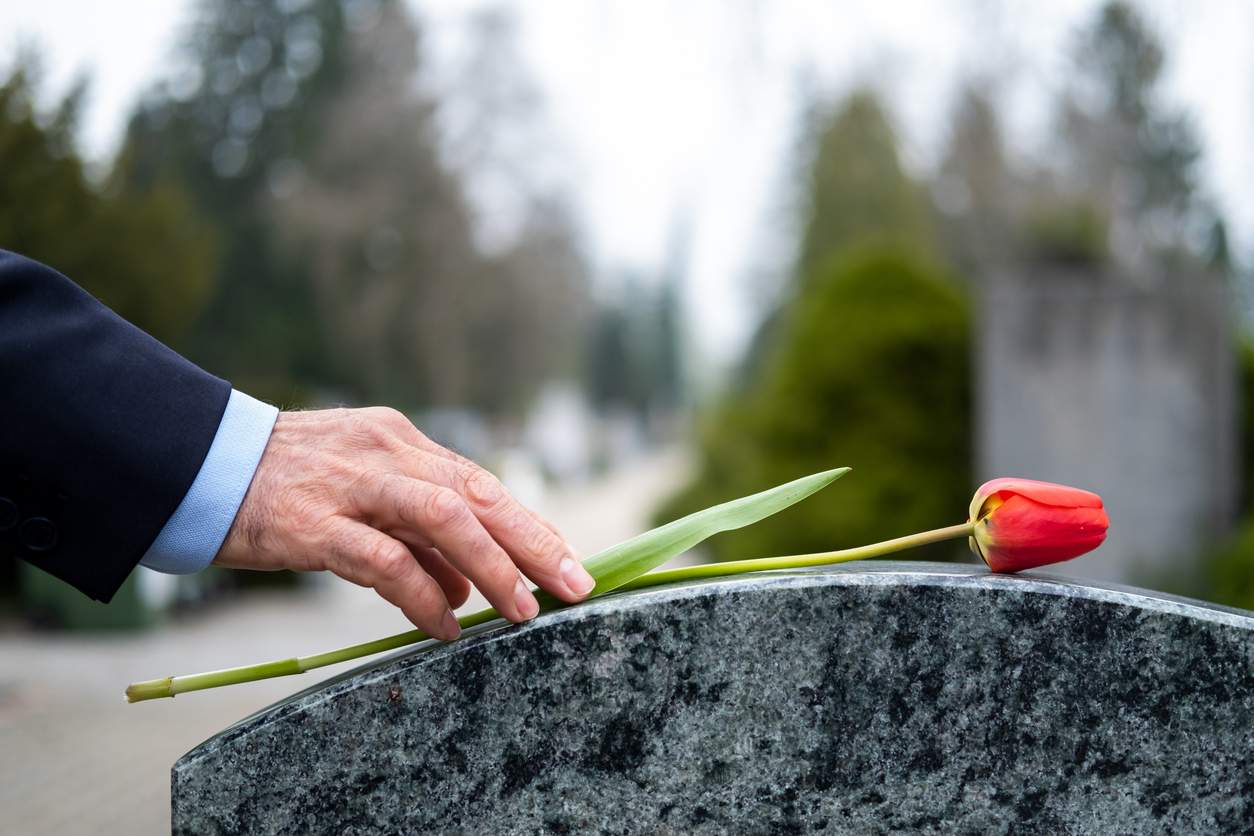
For some, the deepest pain and regret come from relationships that never truly took off. That’s why even years or decades later, the thought "what if..." still lingers.
Missed chances and forgotten loves often leave a deeper mark than relationships that happened but didn’t work out, because with those, we feel we didn’t really try or give ourselves a chance.
Why do women regret missed opportunities more?
Women tend to dive deeper into relationship questions and spend more time reflecting on what could have been done differently to nurture happiness.
The study also showed that singles—men and women alike—ruminate more on past relationships than those who have since committed again.
That’s no surprise, but the good news is those who found happiness again are far less likely to mourn old, unfulfilled relationships.
Romantic regrets fall into two main groups, experts say: those who regret not taking action, and those who regret the steps they did take. Still, the saying holds true that we’re less likely to regret what we didn’t do: people who felt they didn’t work hard enough to save a relationship carried that burden longer than those who regretted their active choices.
The possibility of missed love
Psychologists suggest we should stop beating ourselves up and feeling down, because these missed loves rarely lived up to the hopes we pinned on them. The chance that we would have truly been happy with the person we didn’t end up with is small. Often, that person is actually someone we wouldn’t have had a lasting relationship with; over time, we tend to highlight the good parts and color memories to fit our current mood.
Experts recommend letting go of this fantasy and focusing instead on what we learned from the experience. Doing so helps us develop new behaviors and coping strategies that support our future (or current) relationships.
Regret is part of being human, but it doesn’t have to control your life. Every relationship, good or bad, shapes you, teaches you, and brings you closer to finding the right partner. The question is: will you learn the lessons and move forward (maybe even explore what you can do now to create change), or will you keep dwelling on it for years?