Opinion piece by Schuszter Borka
There's an invisible ranking in most people's heads about which hobbies "count" and which ones are just ways to pass the time. And somehow, the hobbies more commonly associated with men tend to land on the serious, technical, even impressive end of the scale — while the ones more associated with women get labeled as "sweet" or "charming," but not quite worthy of real respect.
The value of a hobby shouldn't depend on who's doing it
The moment you set aside the assumptions and actually look at it, the distinction falls apart. Flying a drone is not a more meaningful activity than decorating a home. Neither one saves the world. Neither is productive in any traditional sense. And yet we instinctively frame the first as technical and skill-based, while the second gets reduced to fluffing cushions — even though both involve real knowledge, taste, and craft.
The truth is, how much value a hobby actually holds — or how much skill it requires — rarely determines how it gets perceived. The perception is shaped by what we associate with it, not what it actually involves.
Men's hobbies tend to attract a certain gravity. They become projects. Systems. Competitions. A passing interest quickly turns into a performance: measurable results, a learning curve, a community where you compare progress and rank each other's achievements.
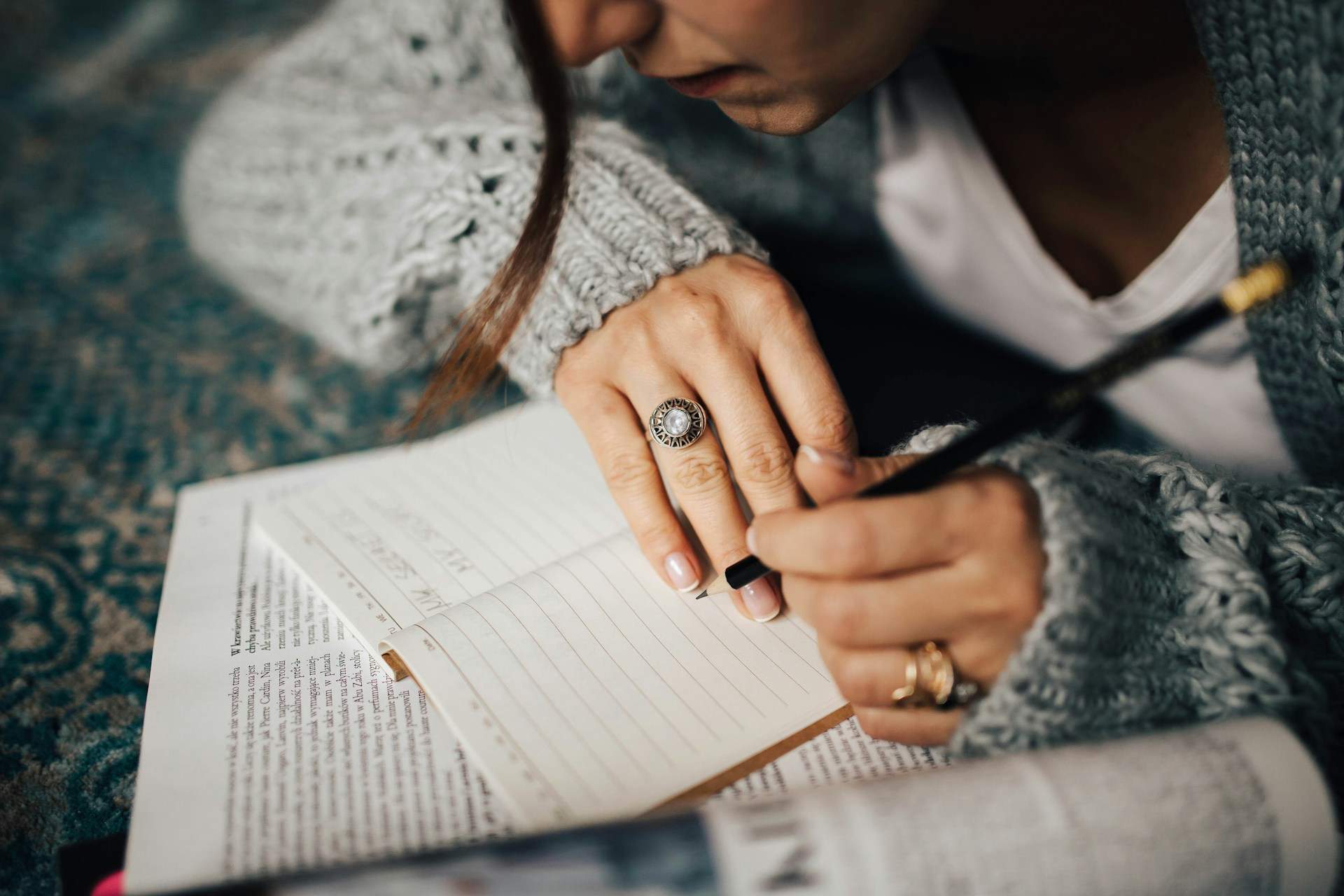
Women's hobbies, by contrast, often stay in the realm of "I do it because I enjoy it" — which is, honestly, a perfectly valid reason. But that's exactly why they tend to get taken less seriously. As if something that doesn't aspire to be more than it is must therefore be less than it should be.
Why does a hobby need to be "useful" at all? Why does it have to justify its own existence? If something helps you unwind, recharge, and brings you genuine joy — isn't that enough?
Apparently not for everyone. And it's not enough for a hobby to be measurable and comparable — it also needs to feel more important than whatever women happen to be doing.
The same bias shows up in how we value skills
There's a parallel that follows exactly the same logic: the way we judge traditionally "male" versus "female" knowledge. Changing a car tyre, for example, is widely seen as a practical, impressive skill. And it genuinely is. But is it actually more complex than hand-stitching a torn pair of trousers? Or do we just look at it differently?
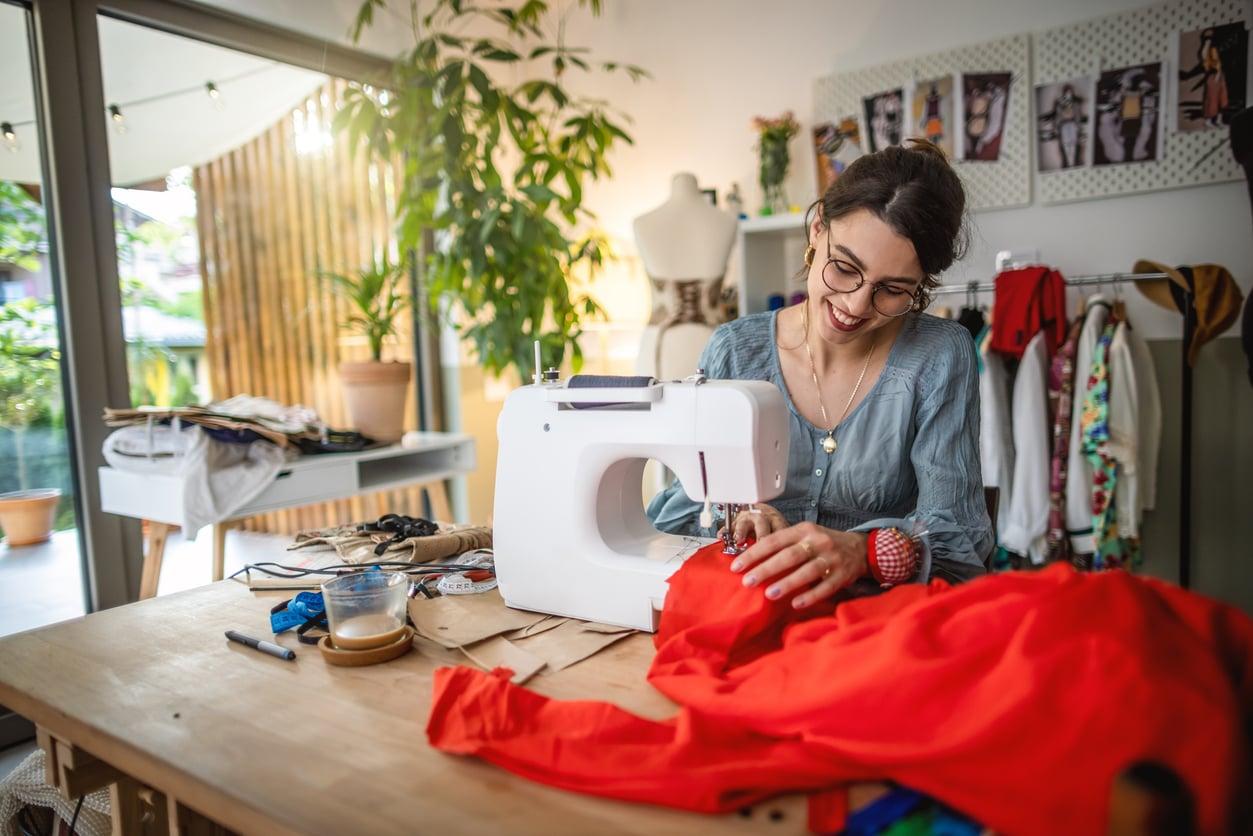
One involves oil, tools, and physical strength. The other involves a needle, thread, and fine motor precision. Yet we're far quicker to put the first in the "useful" category and quietly dismiss the second — not because there's an objective difference in difficulty, but because that's what we were taught to think.
If you're curious about hobbies that genuinely restore your energy regardless of how they're labeled, these surprisingly restorative activities are worth a look.
This is a collective habit of thinking — and we can unlearn it
Maybe this is exactly the right moment to rethink all of it. Not to make women's hobbies seem more "serious," but to finally see things clearly. Because as long as we automatically assign more value to what a man does simply because a man is doing it, we're not just ranking hobbies — we're ranking people.
And in doing so, we lose the entire point of why these activities exist in the first place: to step away, just for a moment, from the pressure to measure, justify, and rank everything. To stop requiring women to explain why they deserve to exist — and to enjoy their lives — on their own terms.
A hobby is not a résumé entry. It doesn't owe anyone a performance review. And the sooner we stop grading them by who's holding the paintbrush, the guitar, or the soldering iron, the better.