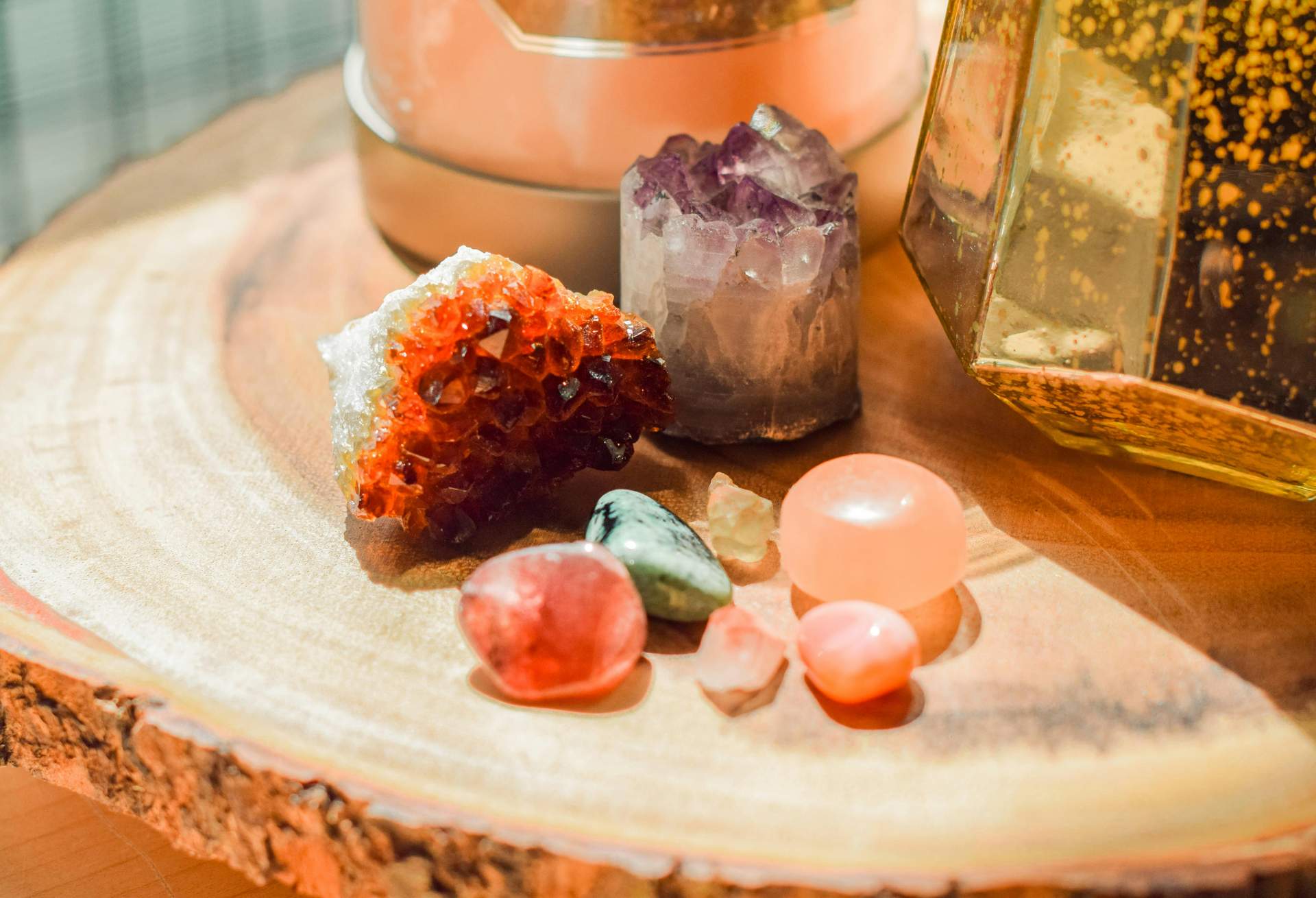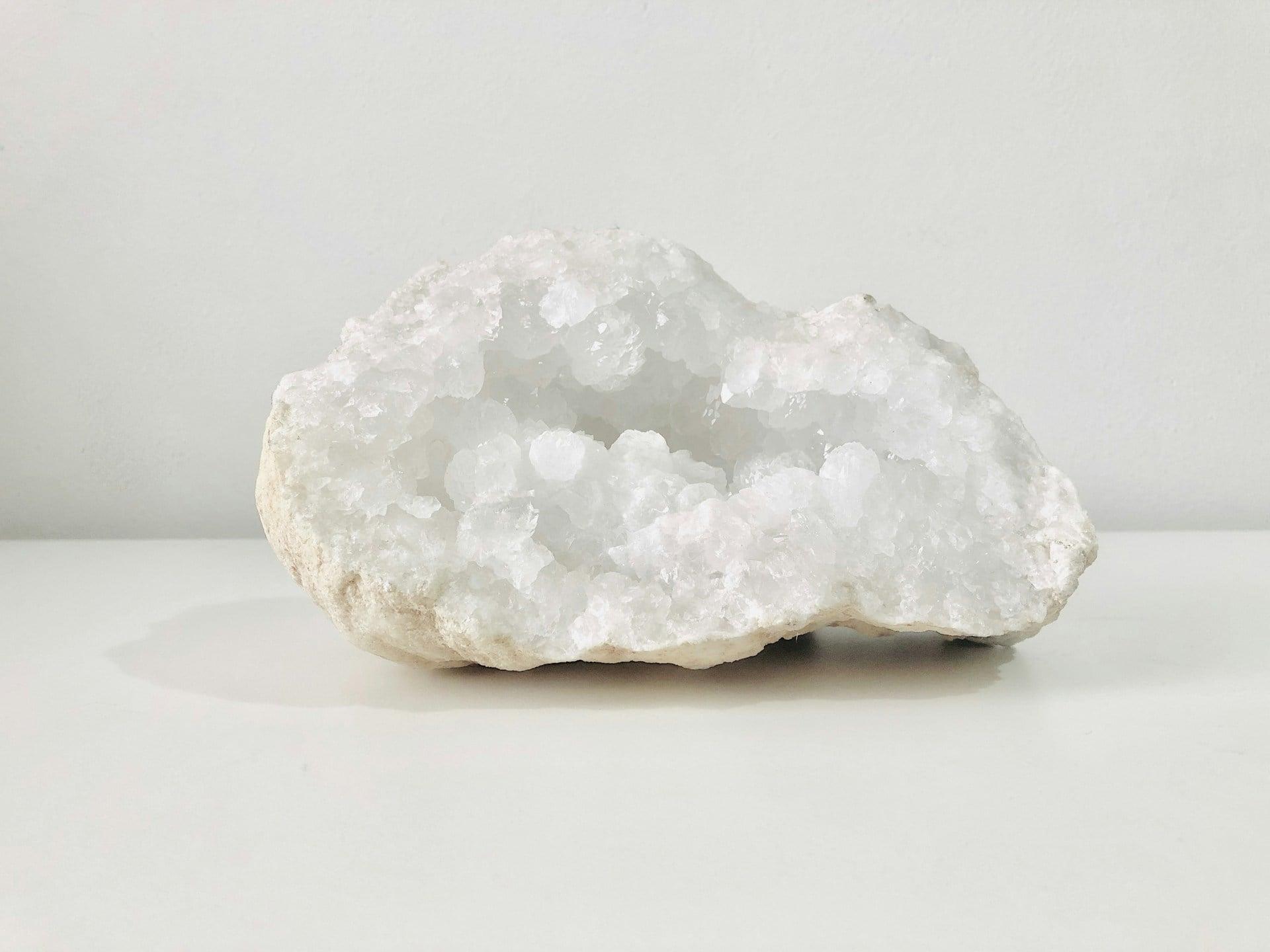
The natural stones and minerals are undeniably beautiful and unique. But not every stone reacts well to water, and in some cases, water can actually harm these stunning treasures.
Minerals carry energy, and many believe these energies influence our lives and well-being. Cleaning helps refresh and preserve a mineral’s energy, but using the wrong method can damage your stones.
Opal – Fragile Beauty
Cleaning opal with water is a big no-no. This mineral is extremely sensitive because of its water content. Moisture or dryness can cause serious damage, leading to cracks or fading colors.
Calcite – Handle with Care
Calcite is a very soft mineral that’s also sensitive to water. Contact with water can wear down its surface, harming its structure and shine. It’s best to clean calcite with a dry cloth or gentle, water-free methods.
Galena – Avoid Water at All Costs!
Galena is a lead sulfide mineral that’s very sensitive to water. Exposure can cause oxidation, changing the surface and releasing harmful substances. Because lead is toxic, galena should only be handled dry or with specially designed methods.
Fluorite – Protect Its Vibrant Colors
Fluorite’s stunning range of colors is breathtaking but unfortunately not water-resistant. Water can not only fragment it but also fade its bright hues. Clean it carefully and avoid any contact with water.
Selenite – Pure Light
Selenite is one of the most beautiful translucent minerals, but it’s not water-resistant. Water can quickly ruin it by dissolving its surface, causing it to lose the special glow and texture we all love.
How to Clean Minerals Safely
To properly clean minerals, use a dry cloth or special cleaners made for these delicate materials. You can also try energetic cleansing methods like smudging or storing with saltwater—just avoid direct water contact.
When you care for your minerals, they keep their beauty and energy for a long time, enriching your home and life. Trust your instincts and cherish these natural wonders!