With technology advancing, life without screens feels almost impossible today. Whether it’s your work monitor, smartphone, or TV, we’re constantly exposed to blue light. This light can tire your eyes and impact your overall health. Recent studies have explored how blue light affects our circadian rhythm and sleep quality, but a fresh study takes a fascinating angle—looking at how blue light influences our digestive system, specifically the balance of our gut flora.
Your Gut Flora Is the Key to Your Health
Your gut flora, also known as the microbiome, is the community of microorganisms living in your digestive system. These bacteria play essential roles in keeping you healthy. They help break down food, produce vitamins, activate your immune system, and protect you from harmful invaders.
Recent research increasingly shows that changes in your gut flora’s makeup are linked to health issues like obesity, diabetes, depression, and even autoimmune diseases.
Fresh Insights: How Blue Light Affects Your Gut Flora
A recent study published in the Cell Reports journal explored how daily exposure to blue light influences the balance of gut flora.
The findings are eye-opening: researchers discovered that avoiding blue light in the evening can improve gut flora health, directly benefiting digestion and overall well-being.
During the study, participants were observed under different lighting conditions, and changes in their microbiome were measured. Those who avoided blue light at night saw a significant increase in beneficial bacteria and a decrease in harmful microbes.
What Emits Blue Light in Our Homes?
- Phones, tablets, laptops, monitors, TVs – their backlights use cool LED lights that emit a lot of blue light.
- LED bulbs and energy-saving lights – especially those labeled cool white (5000–6500K). Warm white LEDs emit much less blue light.
- Alarm clocks and electronic devices’ LED indicators – like small blue lights on Wi-Fi routers, chargers, and gaming consoles.
- Tablet lamps and reading lights – if they use cool light bulbs.
- UV lamps and blue light therapy devices – such as acne treatment tools and some dental LED lamps that specifically emit blue light.
What Happens When We Get Blue Light at Night?
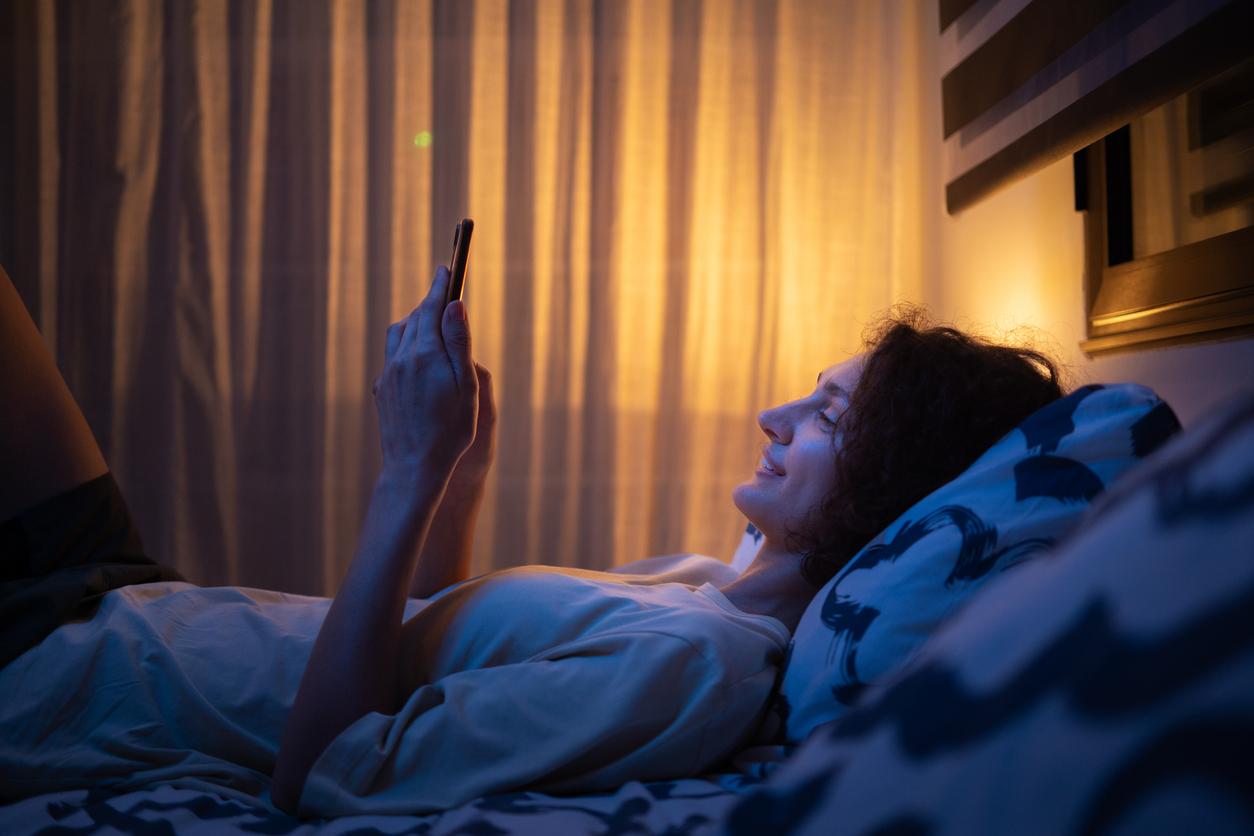
Evening exposure to blue light can have a big impact on our bodies. As natural light fades at the end of the day, our bodies start producing melatonin, the hormone that makes us feel sleepy and supports good-quality sleep. But blue light from screens can suppress melatonin production, leading to poorer sleep.
Poor sleep quality doesn’t just drain your energy; it also disrupts metabolism and harms your gut flora. Less sleep increases stress and inflammation, which can damage your microbiome.
How to Avoid Evening Blue Light Exposure
To keep your gut flora healthy, try these simple tips to reduce blue light at night. First, cut down on screen time in the evening, especially right before bed. Consider wearing blue light blocking glasses—they help reduce the amount of blue light reaching your eyes and ease the strain on your body.
Also, use built-in features on your devices like night mode or preset brightness settings that automatically lower blue light emission. Finally, think about switching to natural light sources in the evening, like candles or lamps with warm, yellow-toned light, for a gentler transition to bedtime.
Avoiding blue light at night not only improves your sleep but also supports your gut health in a powerful way. New research sheds light on how small changes to our tech habits can lead to big health wins with minimal effort. If you care about your mind and body, give these tips a try and keep blue light in check during your evening routine.