Is childhood really lonelier without siblings? These parents found out the hard way — and found ways through it.
The best of intentions
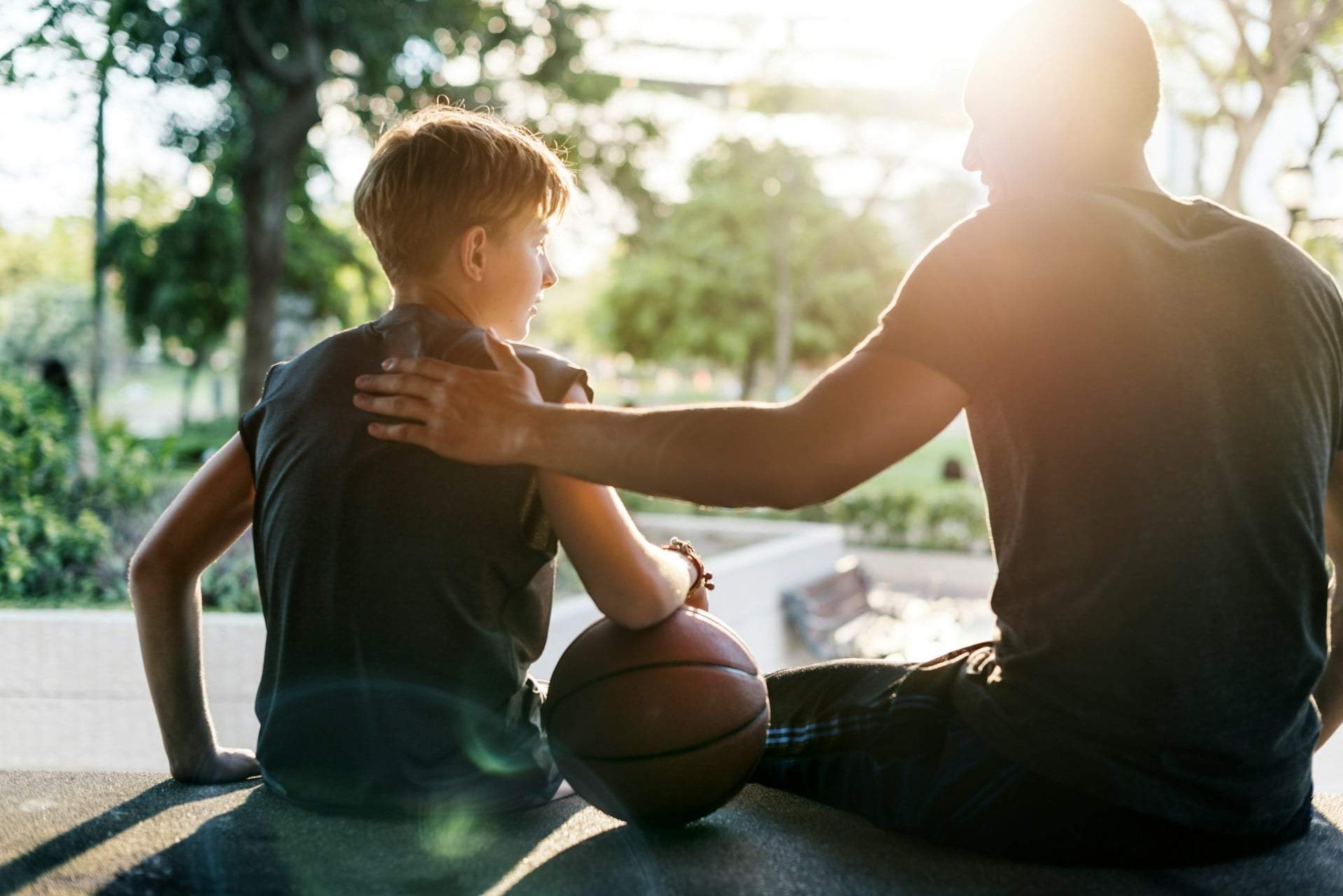
My son is eight, and he's an only child because I wasn't able to have more kids. Two years ago, we moved out of our apartment block to the suburbs — we wanted to give him a better childhood. A garden, a sandpit, a slide, birdsong in the morning. It seemed perfect on paper.
What we didn't count on was how hard the move would hit him. He missed his old friends desperately — the gang of kids he'd hang out with every afternoon after school. I told him he'd make new friends quickly. I was wrong.
Out here in the garden suburbs, there's no playground where kids can just drift together. No spontaneous after-school adventures. Every child gets picked up by car and taken straight home. My son plays alone in the garden most days, and it breaks my heart every single time I watch him from the window.
The birthday party she wasn't invited to
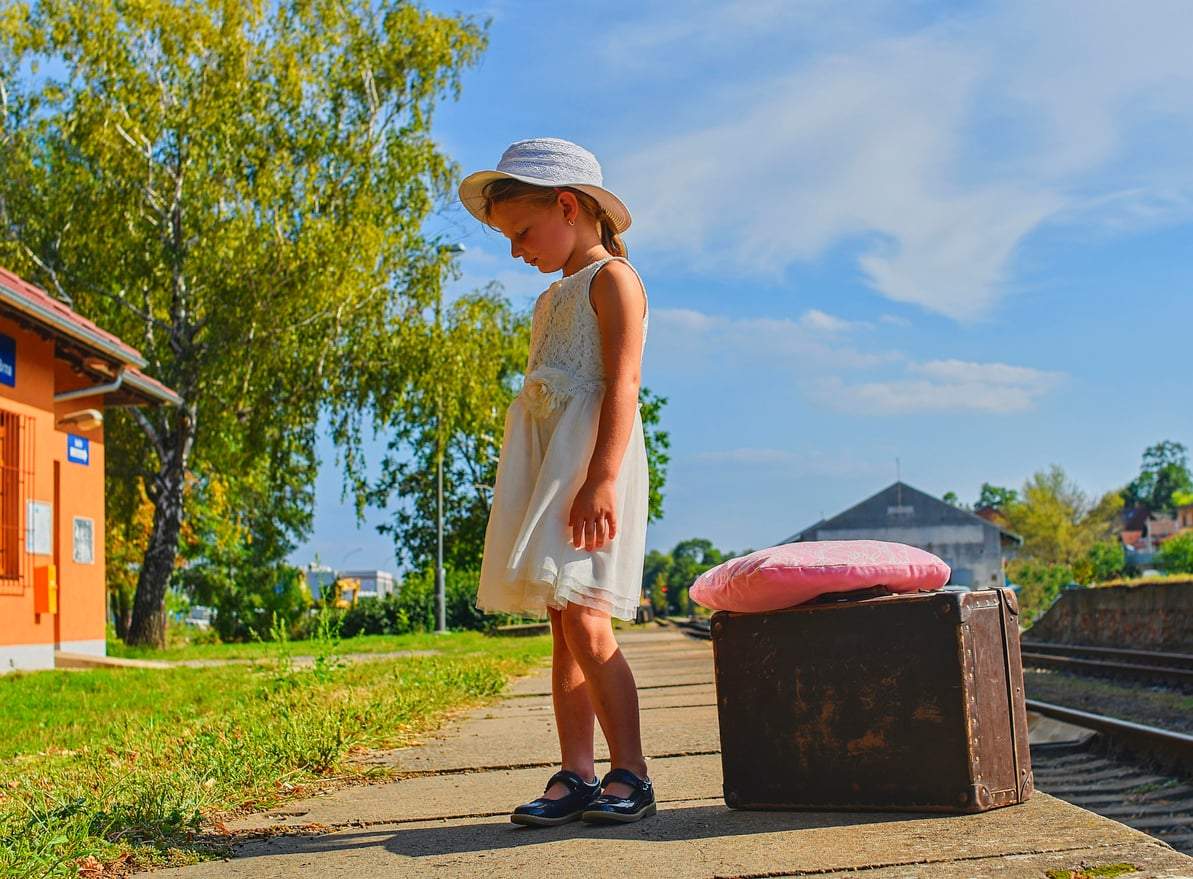
My six-year-old daughter had a best friend — until that family moved away from our village. Since then, she's been on her own. She's bubbly, warm, funny, and full of life. I genuinely couldn't understand why no one was drawn to her.
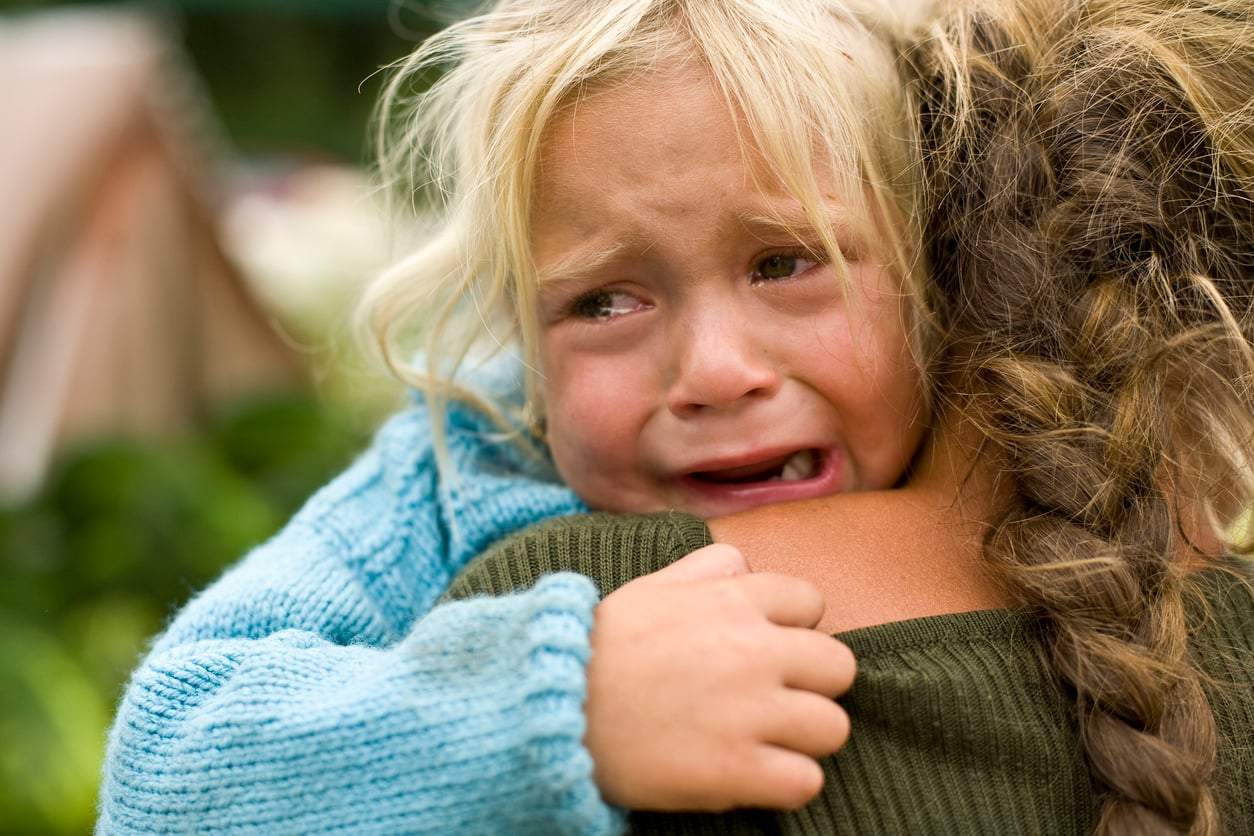
When I gently asked her about it one day, she just burst into tears. She was still grieving her old friend. Then came the moment that truly gutted me: the girl next door was having a birthday party. I knew because her mum had mentioned going shopping for it. My daughter spent an afternoon making a beautiful drawing as a gift — and was completely devastated when it turned out she hadn't been invited.
I told her it was probably just a small class party, that it wasn't personal. But inside, I was heartbroken for her.
The party where nobody showed up
I thought my child was doing fine socially. She talked about her classmates all the time — Panni the top student, Ricky the class troublemaker, Ben who plays football, Emily who does piano. They sounded like friends. So when her birthday came around, we went all out.
I stayed up until midnight hand-writing 28 invitations — one for every child in the class, because she wanted to invite everyone. I ordered mountains of pizza. I baked five different kinds of cake. I spent the whole day blowing up balloons.
Nobody came. Not a single child.
By late afternoon, it was clear no one was coming. I frantically messaged friends, relatives, and neighbours to come over and salvage the day. Somehow, we pulled it together — by the end of the evening, the child who had been sobbing was laughing. But I was shaken. That day made it undeniable: she had no real friends at all.
Since then, I've signed her up for sport and after-school clubs. Somewhere, somehow, she'll find her people.
Taking matters into your own hands
My son is an only child and, by nature, quite self-contained — happy in his own world, but not great at reaching out. So I decided to step in.
I asked him to name the three classmates he liked most. Then I introduced myself to their mothers. We exchanged numbers, and I started sending simple, friendly messages: "Hi, I'm Balázs's mum — would Bence be free to come over Saturday afternoon? We'll have sandwiches, cake, and there's a ping-pong table in the garden." Another time, I invited kids over for a movie afternoon.
Sometimes nobody was free. I'd try again the following week. Even one child coming over was a win. Two felt like a proper party. My advice to any parent in the same situation: keep trying. Someone will say yes eventually — if only because they're glad to have their kid entertained for a few hours. At our place, it worked so well that sometimes a parent would stay too, and we'd end up having a proper conversation over coffee.
When there's a hidden reason
I could see my daughter was lonely, but I couldn't figure out why. So I spoke to her class teacher — and what I heard shocked me. The other children were avoiding her because she was being aggressive with them. I had no idea.
I took her to a child psychologist, and a lot came to the surface. The divorce. The move. The fact that kids had been teasing her about a speech impediment she had. With the help of a therapist and a speech specialist, we worked through it — slowly, with a lot of patience. Today, she has friends. Real ones.
If your child seems to be struggling socially and you can't work out why, it's always worth asking the teacher — and keeping an open mind about what you might hear.
Sometimes you have to sacrifice your comfort zone
I grew up with four siblings, so loneliness was never something I experienced as a child. My only child doesn't have that safety net. So, as much as I dreaded it, I joined the school parent committee — and made it my mission to get to know the other mothers.
Not because I particularly wanted to. But because I knew that if I built those connections, my quiet, reserved child would start getting invited to things. And she did.
Sometimes the most effective thing a parent can do isn't to coach their child — it's to quietly build the social scaffolding around them, one awkward coffee morning at a time.